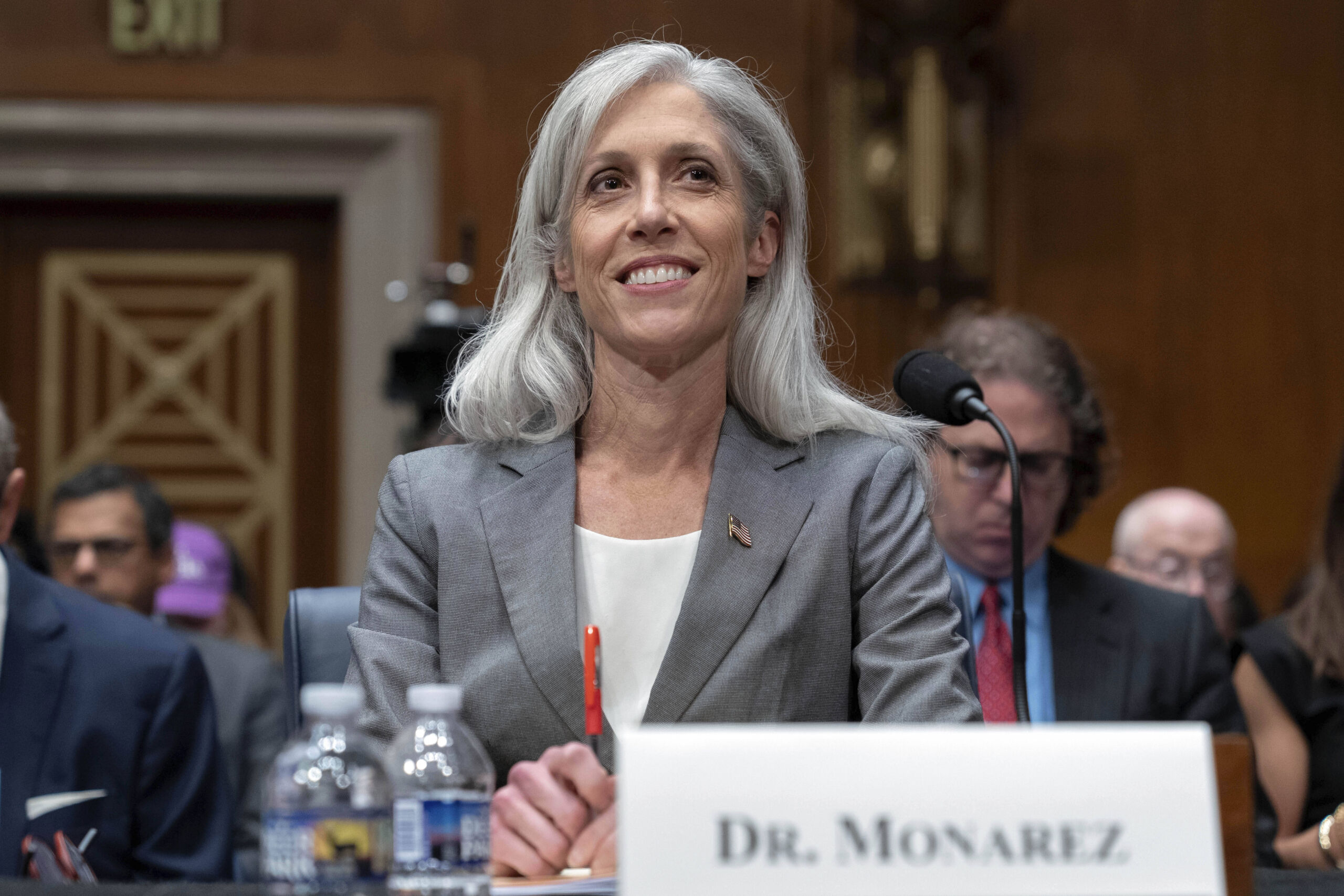
WASHINGTON — The nation’s health secretary is orchestrating a sweeping purge of career scientists from federal jobs, leaving the U.S. exposed to future pandemics and undermining vaccine access and safety, two former high-ranking public officials told a Senate committee.
Choices by Robert F. Kennedy Jr., the secretary of the Department of Health and Human Services, now mean that illnesses that vaccines stamped out will spring back as people avoid shots, said Susan Monarez, former director of the Centers for Disease Control and Prevention.
“I believe preventable diseases will return,” Monarez said during a Senate Health, Education, Labor, and Pensions Committee hearing Wednesday. “Polio, measles, diphtheria, whooping cough.”
One example: The childhood vaccine schedule will be changed this month, Monarez said.
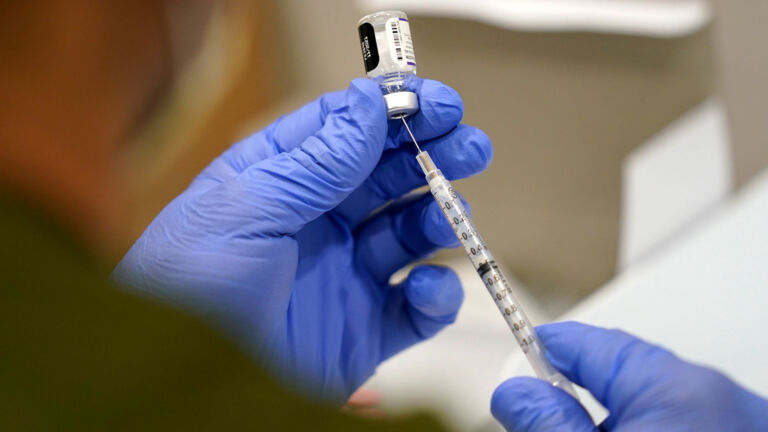
Kennedy pushed Monarez to fire CDC staff who disagree with the Trump administration’s agenda in waves, she said. “If the deputies did not do what I wanted, I needed to fire them and promote the next group and continue to do so until I got to an organization that was compliant with my demands,” Monarez told Sen. Andy Kim (D-NJ).
Monarez and Debra Houry, former chief medical office at the CDC, provided behind-the-scenes details of the inner workings of the department with Kennedy at its helm, a powerful post from which he oversees a nearly $100 billion budget and a collection of influential agencies, including the Food and Drug Administration, the National Institutes of Health and the Centers for Medicare & Medicaid Services.
The Senate confirmed Kennedy, a vaccine critic with no formal medical or health training, 52-48. Kim and Sen. Cory Booker (D-NJ) voted against him.
The Trump administration has proposed cutting the HHS budget by $33 billion, or about 26%, though Congress is unlikely to approve such significant cuts.
After the administration on Aug. 27 fired Monarez, whom President Donald Trump nominated and the Senate confirmed in July on a party-line vote, other high-ranking CDC officials including Houry resigned.
Recent firings
Kennedy has called Monarez a “liar” and “untrustworthy.”
“Susan Monarez was tasked with returning the CDC to its core mission after decades of bureaucratic inertia, politicized science and mission creep corroded its purpose and squandered public trust,” said HHS spokeswoman Emily Hilliard by email after the hearing Wednesday. “Instead, she acted maliciously to undermine the President’s agenda and was fired as a result. Some of her biggest offenses include neglecting to implement President Trump’s executive orders, making policy decisions without the knowledge or consent of Secretary Kennedy or the White House, limiting badge access for Trump’s political appointees, and removing a Secretarial appointee without consulting anyone. When she refused to acknowledge her insubordination, President Trump fired her.”
Monarez has disputed accusations that she had acted inappropriately, saying she was dismissed after she moved to protect vaccine access.
In their remarks Wednesday, Monarez and Houry provided damning glimpses of what’s happening behind the sciences at CDC, the world’s eminent infectious disease agency.
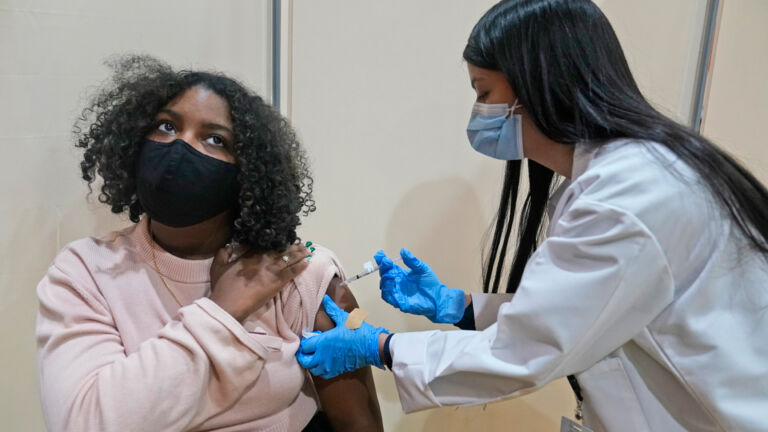
Kennedy asked Monarez to fire career staff on a powerful vaccine committee at the CDC, she said. When she would not, she was fired, she told senators.
“He just wanted blanket approval,” Monarez said, adding that Kennedy also asked her at one point not to talk with members of Congress, including Senate health committee members. “He was very concerned that I had spoken to members of congress and he told me that I was never to do it again.”
During an August meeting, Kennedy “told me he had already spoken with the White House several times about having me removed,” she said.
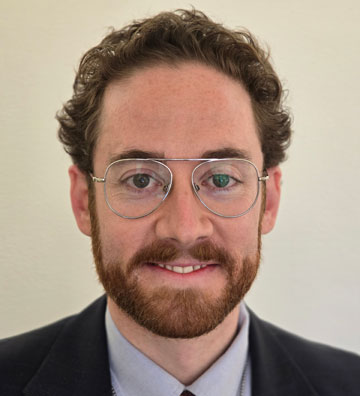
Houry, a former career official over four presidential administrations, said she resigned because CDC political appointees made decisions that cut against established science.
Roughly 80% of CDC funding goes to state and local communities, Houry said. “As we see budget cuts to CDC, your community will see that, too.”
“Flu campaigns were halted,” Houry said. “Under the secretary, global flu sample submissions have dropped by 60% and COVID samples by 70%, leaving us with far less visibility into what’s coming.”
Foreign nations are not sharing samples with the U.S. because the Trump administration withdrew from the World Health Organization, Houry said.
“A lot of that is attributed to withdrawing from the World Health Organization,” she said. “Many countries don’t view us as the same level of partner,” Houry said.
“That’s something that can be overcome, but it takes leadership to really proactively establish those partnerships so that we’re not flying blind, we know what pathogens are out there.”
In June, Kennedy fired all 17 members of an influential national vaccine advisory panel, which he has filled that committee with his own choices.
Monarez and Houry said they were nervous about the recommendations that come from that panel, which is meeting Thursday.
Possible consequences?
Legislation Rep. Frank Pallone (D-6th) sponsored would shield the vaccine panel, created in 1964, from being eliminated. That bill is unlikely to receive a vote on the House floor, where Republicans set the agenda.
“What we’re doing with this bill is codifying their role, putting it into statute, so we can safeguard their science-based recommendation,” Pallone said of his bill.
The CDC does not mandate people receive vaccines. Rather, it provides vaccine guidance to doctors and medical professionals who can then educate their patients.
Sen. Bill Cassidy, a former doctor who was a liver specialist and Republican from Louisiana, voted to confirm Kennedy. On Wednesday, Cassidy focused much of his time on what would happen if a vaccine against hepatitis B no longer is recommended by the CDC.
“If the recommendation goes away, and a parent does want the vaccine, insurance will no longer cover it free of charge, she’ll be forced to pay out of pocket,” Cassidy said of a mother with a newborn.
Adopted in 1991, the recommendation that babies receive a dose of the hepatitis B vaccine within 24 hours of their birth has saved scores of lives.
Before the recommendation was embraced, 20,000 babies and children were infected yearly in the U.S., leading to lifelong complications like liver cancer, according to the Hepatitis B Foundation.
“Hepatitis B is highly infectious and is up to 100 times more transmissible than HIV,” the foundation said. “When acquired in infancy, the virus carries up to a 90% risk of progressing to a chronic infection. It is reckless to consider reversing decades of public health progress, and to needlessly change a recommendation for a safe, effective and cost-effective prevention strategy for a virus that has no cure.”
Both former CDC officials, Monarez and Houry, said they worry about looming public threats — preventable deaths and pandemics, in particular.
Said Houry: “We’re going to see kids dying of vaccine-preventable diseases.”
“The next outbreak,” Monarez said. “I don’t believe we’ll be prepared.”