
 Credit: (AP Photo/Wayne Parry, File)
The Murphy administration plans this week to “update” controversial new development rules for the Jersey Shore, fueling speculation that it will make last-minute changes to try to address opposition from businesses and municipalities.
But any changes could also restart the review process for those measures, potentially delaying implementation well past a deadline of Aug. 4 for the rules to be finalized.
Gov. Phil Murphy’s office confirmed last week that the administration will hold at least one meeting on the proposed Resilient Environments and Landscapes (REAL) rules that would require new buildings in an expanded coastal flood hazard area to be built at higher elevations, and establish a new “inundation risk zone” for places that are often or always flooded by sea-level rise.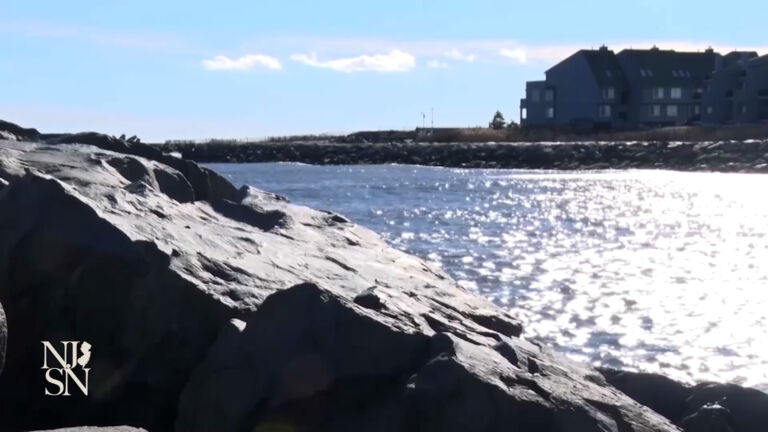
“I can just confirm there will be updates next week,” said Stella Porter, a spokeswoman for Murphy. The Department of Environmental Protection referred questions to the governor’s office.
The rules are designed to protect New Jersey’s coast from the rising seas and bigger storms that are already happening but which some business groups deem insufficient justification for making it more costly to build at the Shore.
Supporters, critics
Covering more than 1,000 pages, the rules have drawn a range of reactions from outright opposition to calls to change some sections, and DEP may be hoping in this week’s meeting to win over critics without triggering a re-proposal.
The measures — part of a set called Protecting Against Climate Threats (NJ PACT) — have been significantly delayed since being announced by Murphy in an executive order in 2020. Last week, 11 environmental groups urged the administration to finalize the rules before the Aug. 4 deadline, after which the package would have to be re-proposed. That would trigger a new process that could go beyond the tenure of the current administration, and possibly deprive Murphy of a legacy of helping to protect New Jersey from the effects of climate change.
The fight over the coastal rules follows DEP’s adoption in July 2023 of the Inland Flood Protection Rule, another part of the administration’s new climate regulations, which was also delayed because of opposition from the business community.
‘The REAL Rule proposal is fatally flawed as it has chosen an extreme course instead of reasonable, common-sense land-use reforms to protect properties from flooding.’ — Dan Kennedy, chief executive, NAIOP New Jersey
Any plan to change substantial sections of the rules since the public-comment period ended last November would require the DEP to re-propose those sections and reopen public debate at a time that New Jersey’s coastal area urgently needs more protection, argued Mike Pisauro, policy director for the nonprofit Wetlands Institute, one of the groups that last week urged Murphy to formally adopt the rules before the deadline.
“In the many years I’ve done this, DEP has never had a meeting about the rules after they were proposed,” Pisauro said. “So I can only imagine they are going to make substantive changes.”
Possible last-minute changes
Changes may include an adjustment of sea-level rise projections, which underlie the plans to require greater flood-proofing for new properties in the coastal zone, but have been attacked by critics as unscientific, Pisauro said. Or the DEP may propose changes to tougher stormwater-control requirements in the rules.
He said DEP has the authority to make technical changes unilaterally, or to adopt just part of the rules, but must resubmit any substantive changes, restarting the rulemaking process for those parts.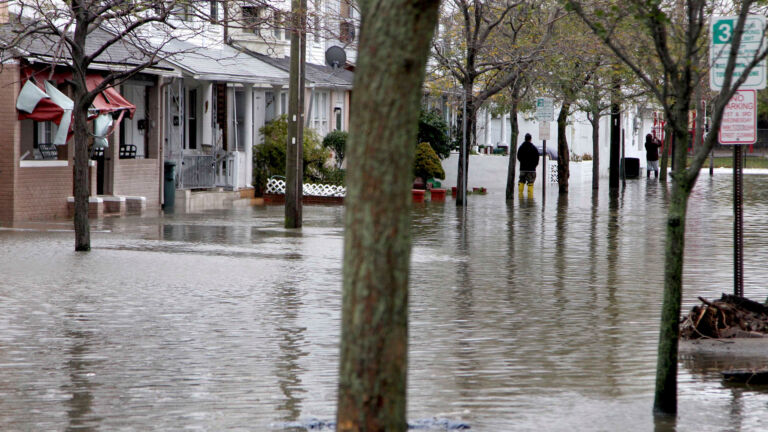
Murphy’s office confirmed that an agency can propose substantive changes to a rule after public comment has ended but must then subject those changes to a new round of public comment.
“If the agency wishes to make changes to the regulation that would substantially change who and what will be affected by the proposed rulemaking, what is being mandated by the rulemaking, or enlarge or curtail the scope of the proposed rulemaking and its burden on those affected by it, the agency may publish a notice of substantial change,” the administration said in a statement. “This opens a new public comment period where members of the public are able to comment on the proposed changes to the original rulemaking, at the end of which the agency may adopt the proposed changes.”
 Credit: (AP Photo/Wayne Parry)
Environmentalists said New Jersey must do more to protect its coastal communities from storms and sea-level rise, especially as the federal government is reducing or eliminating funding for climate-related defenses.
“It is important now more than ever that New Jersey defends its autonomy and authority to control how our infrastructure is built,” said Anjuli Ramos-Busot, director of the New Jersey Sierra Club. “We must adopt the … rules to keep our communities and businesses safe, resilient, and above water.”
Builders, realtors, businesses resist
But groups representing builders, commercial realtors and other businesses have pushed back hard against the rules, saying the measures would be economically damaging.
“The REAL Rule proposal is fatally flawed as it has chosen an extreme course instead of reasonable, common-sense land-use reforms to protect properties from flooding,” said Dan Kennedy, chief executive of NAIOP New Jersey, the local branch of a national commercial real estate association.
“Climate change variables such as rising sea levels, increasing temperatures and changes in precipitation levels should be considered but extreme measures and cherry picking the ‘science’ to counter these conditions will have unintended consequences.”
‘We have not been historically aggressive enough in that area, and these rules move us in the right direction.’ — Pete Kasabach, executive director, New Jersey Future
Kennedy said the DEP invited him to attend a meeting this week, and that he plans to go, but has no knowledge of the subject matter.
Ray Cantor, a spokesman for the New Jersey Business and Industry Association, said he too plans to attend a DEP meeting on the rules, and will reiterate his group’s opposition to them.
“Many rule changes will make it more time consuming and costly to build anything anywhere while we are facing an affordability crisis, and the impact to low-income housing development,” he said.
The science
Sea level at the Jersey Shore is predicted to rise as much as 5.1 feet from its 2000 level by 2100, the DEP said, citing a 2020 Rutgers University report. Almost all of the state’s coastline is at a very high or medium risk from sea-level rise, exposing residents, infrastructure and wildlife to temporary flooding or permanent inundation, the agency said.
“New Jersey is particularly susceptible to the adverse impacts of climate change as the coast serves as a significant population center, a critical element of the State’s economy and a hallmark of its culture,” the DEP said. “REAL will modernize New Jersey’s environmental land use rules to respond to climate change by considering risks such as sea-level rise and chronic flooding, and to facilitate climate resilience by supporting green infrastructure and renewable energy.”
The rules would not affect existing development or create “no-build” zones and would not require structures to be elevated when doing so is impractical, DEP said. Rather, REAL would bring coastal building regulations into line with the latest scientific projections.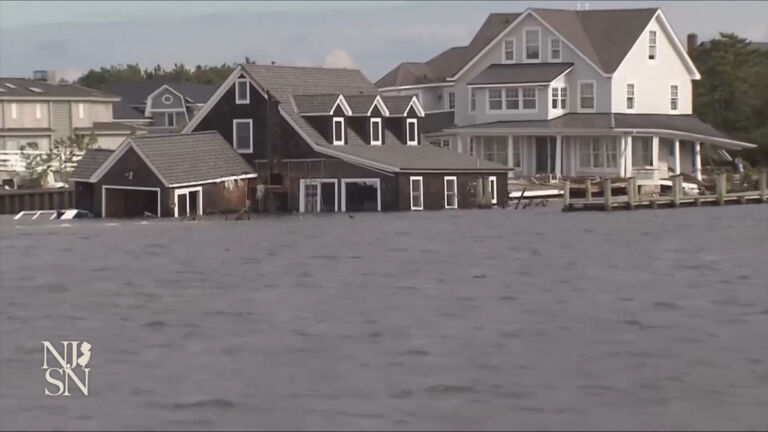
Among the public comments are those from the New Jersey League of Municipalities which said in November last year that the rules would impose unwarranted burdens on its members.
“While we share the NJ DEP’s commitment to addressing climate change and protecting our communities from sea-level rise, we believe the proposed rules create undue burdens on municipal governments, businesses and residents, without providing the necessary flexibility to effectively implement climate-adaptation measures,” the league said then.
But Pete Kasabach, executive director of the nonprofit New Jersey Future, said the measures would help the state adjust to the changing climate. “Our organization and a lot of other organizations recognize that New Jersey has to do something about climate change, and we have to do something about adapting to flooding,” he said. “We have not been historically aggressive enough in that area, and these rules move us in the right direction.”
