Credit: (AP Photo/Stefan Jeremiah)
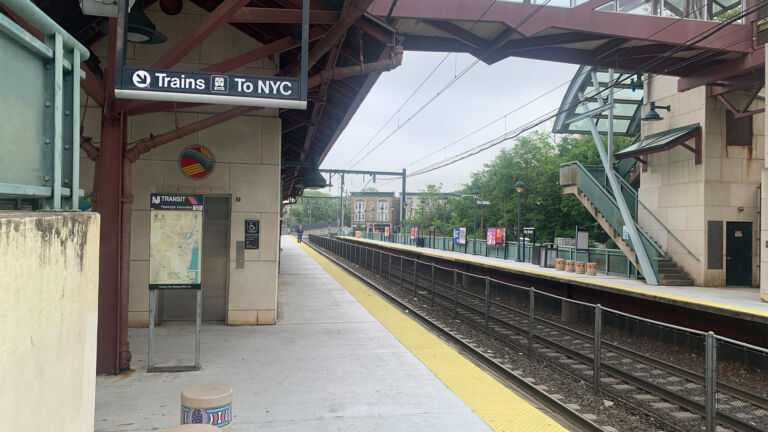
Federal mediators joined negotiations between striking rail engineers and New Jersey Transit leaders on Sunday, ahead of a Monday commute impacted by a job action that has shut down rail service for three days.
The two sides met Saturday afternoon for talks that NJ Transit CEO Kris Kolluri said were “constructive” and that the agency looks “forward to resuming discussions tomorrow.”
Salary increases for the 350 union engineers remain at the center of the fight between NJ Transit and the Brotherhood of Locomotive Engineers and Trainmen, the last of the 15 unions seeking contracts with the state’s largest public transportation system. Unionized NJ Transit engineers last went on strike in 1983.
NJ Transit has been warning riders that a strike would impact not only the shuttered rail lines but also bus service and likely roadways as its daily rail riders seek alternatives. Rail passes will be honored on NJ Transit bus and light-rail lines, but not on any other public transit service in the state such as Amtrak, PATH or PATCO. Riders would need to pay to use ferries, private bus services and other public transit options.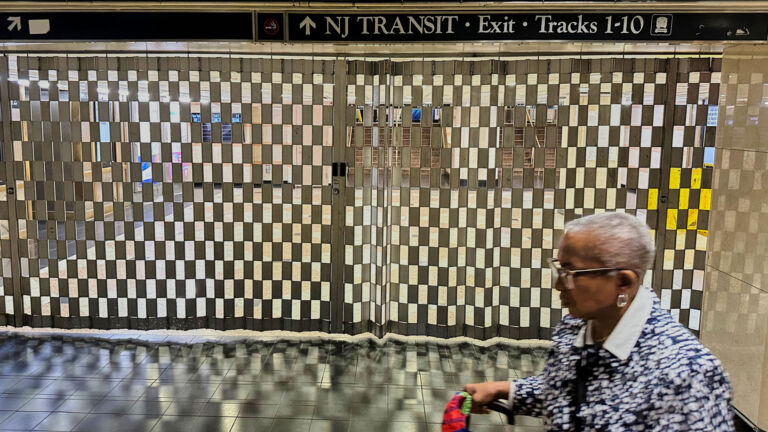
Beginning Monday, if the strike continues, NJ Transit plans “Park & Ride service” from four regional Park & Ride lots on weekdays only, during AM peak period inbound and PM peak period outbound,” according to the agency’s website.
NJ Transit says it has been close to a deal but paying rail engineers more would mean more would need to come from riders and from state taxes.
Dueling perspectives
 Credit: (NJ Spotlight News)
“I’m in this job for a year. It would be very easy for me and the governor to say, ‘What do we care? Let’s make a deal and let somebody else worry about it.’ That is precisely how we’ve gotten, as a state, in the mess we are in, in all kinds of parts of the state budget,” Kolluri said in an interview with NJ Spotlight News on Friday. “What the governor has committed to throughout his tenure is to make sure we only do things that we can sustain on a financial basis.”
Contract provisions with other unions could compel retroactive raises for those unions.
‘We must reach a final deal that is both fair to employees and at the same time affordable to New Jersey taxpayers and commuters.’ — Gov. Phil Murphy
“So all I’ve said is ‘Let’s come up with a deal that tries to satisfy where you want to be, where I have to be and let’s make it as airtight as possible.’ So we’re only dealing with their issues and their needs and our needs,” Kolluri said, describing the talks with the union.
Striking engineers promised to continue the fight for wage increases.
“We want nothing more than to be back at work,” said Tom Haas, general chairman for the engineers union on a picket line outside Newark Penn Station on Friday. “All these guys right here are not getting paid today. And we’re not running our trains. We’re not serving the passengers that we really care about. But the fact of the matter is that we have no other way to address this, this enormous inequity that we see.”
Deal, no deal
In April, the rail engineer union leaders had a deal with NJ Transit. But members overwhelmingly voted down that offer, refusing to authorize a contract, and argued for more increases. They point to higher salaries for similar jobs at regional rail systems and say workers with NJ Transit earn 20% less. Last week, federal mediators invited NJ Transit and union negotiators to Washington to talk. Negotiators spent more than six hours Wednesday working to settle the dispute.
Unlike nearly every other major public transit system in America, NJ Transit does not have a dedicated source of funding. Instead, the agency relies on state subsidies and an increasingly larger share from fares paid by riders. Fares increased 15% on July 1 and are set to increase another 3% this year.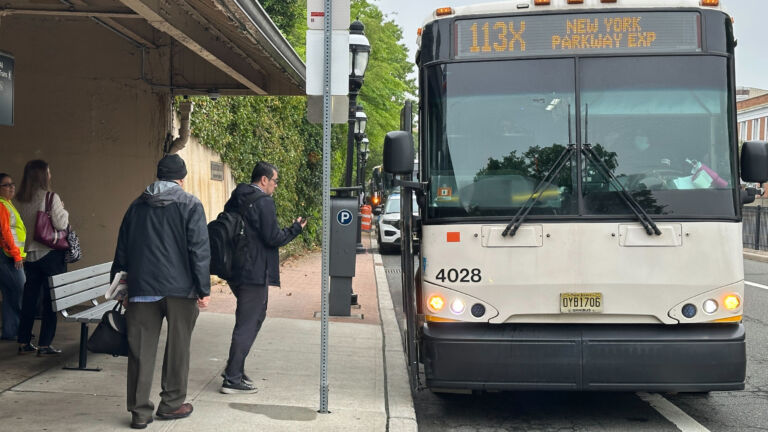
Headquartered in Newark, NJ Transit and its 12,000 employees operates bus, rail and light-rail services throughout the state. Transit officials have warned giving in to the union’s demands would bring on precipitous fare increases or other fiscal measures that could ultimately lead to the demise of an agency that serves more than 350,000 daily customers.
In the run-up to last year’s fare hike, NJ Transit’s leaders pointed to a 30% rise in inflation over the last decade, as well as a nearly 50% increase in employee health care costs, even as fares had been held flat. The state agency has additional costs now after it took over several private bus carrier lines that abruptly stopped offering service in places including Bergen, Hudson, Monmouth and Passaic counties.
“We must reach a final deal that is both fair to employees and at the same time affordable to New Jersey taxpayers and commuters,” Gov. Phil Murphy said in the minutes before the strike began Friday after midnight.