 Credit: (AP Photo/Mel Evans)
Drug overdose deaths declined across all racial and ethnic groups in New Jersey between 2022 and 2023, the first time in a decade that fatalities have declined in all categories, according to state data released Wednesday.
However, more than 2,800 people died from drug use in 2023 — more than seven deaths a day — and overdoses remain the leading cause of maternal mortality in New Jersey, officials said.
Unintentional overdose deaths have trended downward overall in recent years, both nationwide and in New Jersey, but fatalities among Black and Hispanic people in this state remained on the rise through 2022. New data from New Jersey shows that started to change in 2023, but officials said the overdose rate among Black people in the state remains twice as high as for white residents.
‘Science is guiding our response to the overdose crisis, and the data confirms we’re on the right track.’ — NJ Health Commissioner Dr. Kaitlan Baston
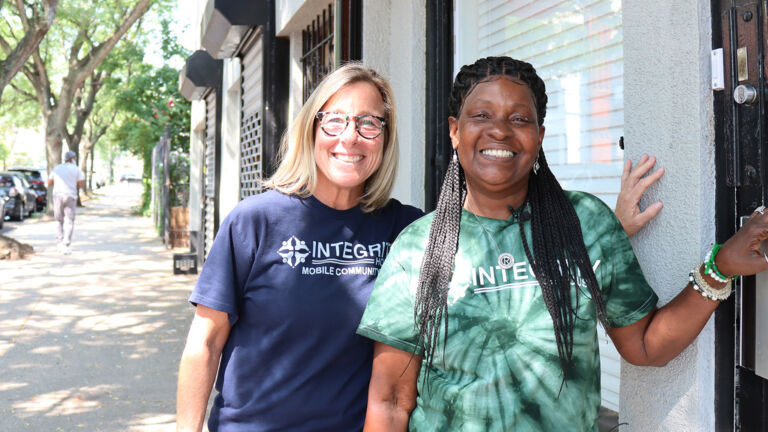
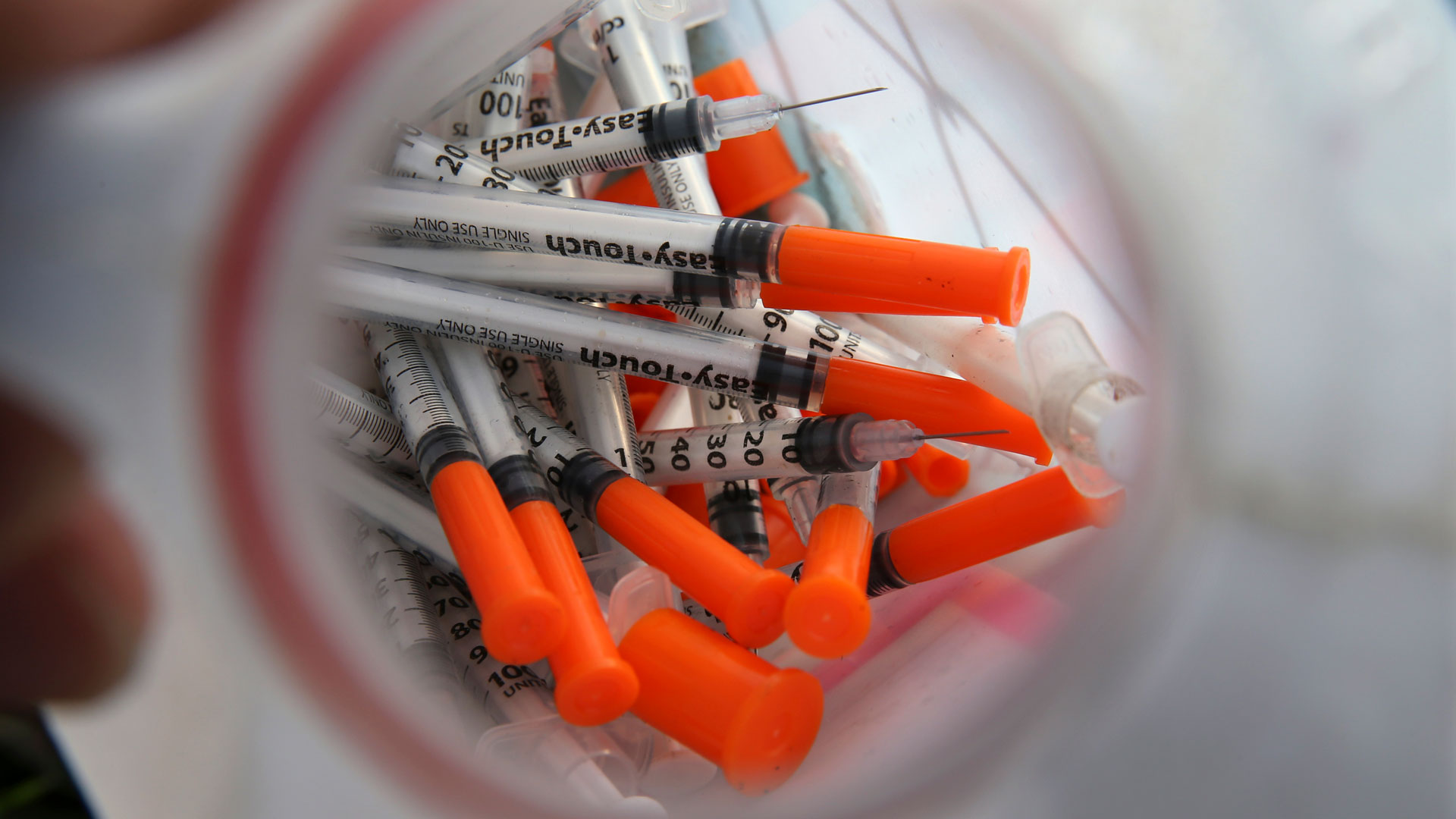
State health officials attributed the overall positive trend to steps New Jersey has taken to expand access to high-quality treatment and harm reduction services including clean needles and smoking supplies, which reduce disease transmission, and the opioid-reversal agent naloxone, or Narcan. The Health Department said it recently authorized the 53rd harm reduction program, up from seven when Gov. Phil Murphy took office, with services slated to be available in all 21 counties.
More on the latest data on overdose fatalities
By the numbers
“Science is guiding our response to the overdose crisis, and the data confirms we’re on the right track,” state Health Commissioner Dr. Kaitlan Baston, an addiction specialist, said in a statement. “When we follow the evidence rather than ideology, we save lives — and that’s exactly what we’re seeing in communities across New Jersey.”
Health officials said 2,816 New Jersey residents lost their lives to drug overdoses in 2023, down from 3,171 in 2022, with “meaningful reductions across all racial groups,” they noted in a press release. Separate data compiled by the Office of the Chief State Medical Examiner indicates suspected drug deaths were even lower in 2024 — down double digits from 2023 numbers — and have continued to decline this year.
County-level data for 2023 indicates most deaths were recorded in Essex County, where 459 fatal overdoses occurred that year, down from 495 in 2022. Camden County reported 286 drug-related fatalities in 2023, down from 328 the previous year, while fatal overdoses in Hudson County dropped to 221 from 200 in 2022. Deaths also declined in the counties of Middlesex (from 210 in 2022 to 199 in 2023), Ocean (200 to 183) and Atlantic (200 to 160), according to figures released Wednesday. The trend in New Jersey also reflects a nationwide decline in fatal overdoses, despite the growing presence of fentanyl and other synthetic opioids that are many times more potent than heroin. Deaths declined nearly 24% nationwide between October 2023 and 2024, according to the federal Centers for Disease Control and Prevention, and nearly 32% in New Jersey. Nationwide, the CDC recorded about 87,000 fatal overdoses last year, compared to around 114,000 in 2023.
Addiction remains a widespread problem in New Jersey and elsewhere in the U.S., however. More than 79,000 people sought treatment in New Jersey between July 2023 and July 2024, according to state budget details. Of those, at least 33,000 requested help with alcohol addiction, while more than 28,000 needed help with heroin or other opioids.
Medication-assisted treatment
New Jersey has worked to expand access to medication-assisted treatment, a protocol that traditionally involves a prescription for buprenorphine — a medication that prevents opioid withdrawal and blocks cravings — and therapy. New Jersey was the first state to enable emergency responders to administer these medications to patients whom they had revived from an opioid overdose, drastically reducing the likelihood they would overdose a second time.
The state has also embraced harm reduction programs, which have proven to reduce HIV/AIDS, hepatitis and other transmissible blood diseases. It created a free naloxone distribution program and has partnered with more than 700 pharmacies that provide the lifesaving medication at no cost and with no questions asked.
— Graphics by Genesis Obando