 Credit: (AP Photo/Matt Rourke)
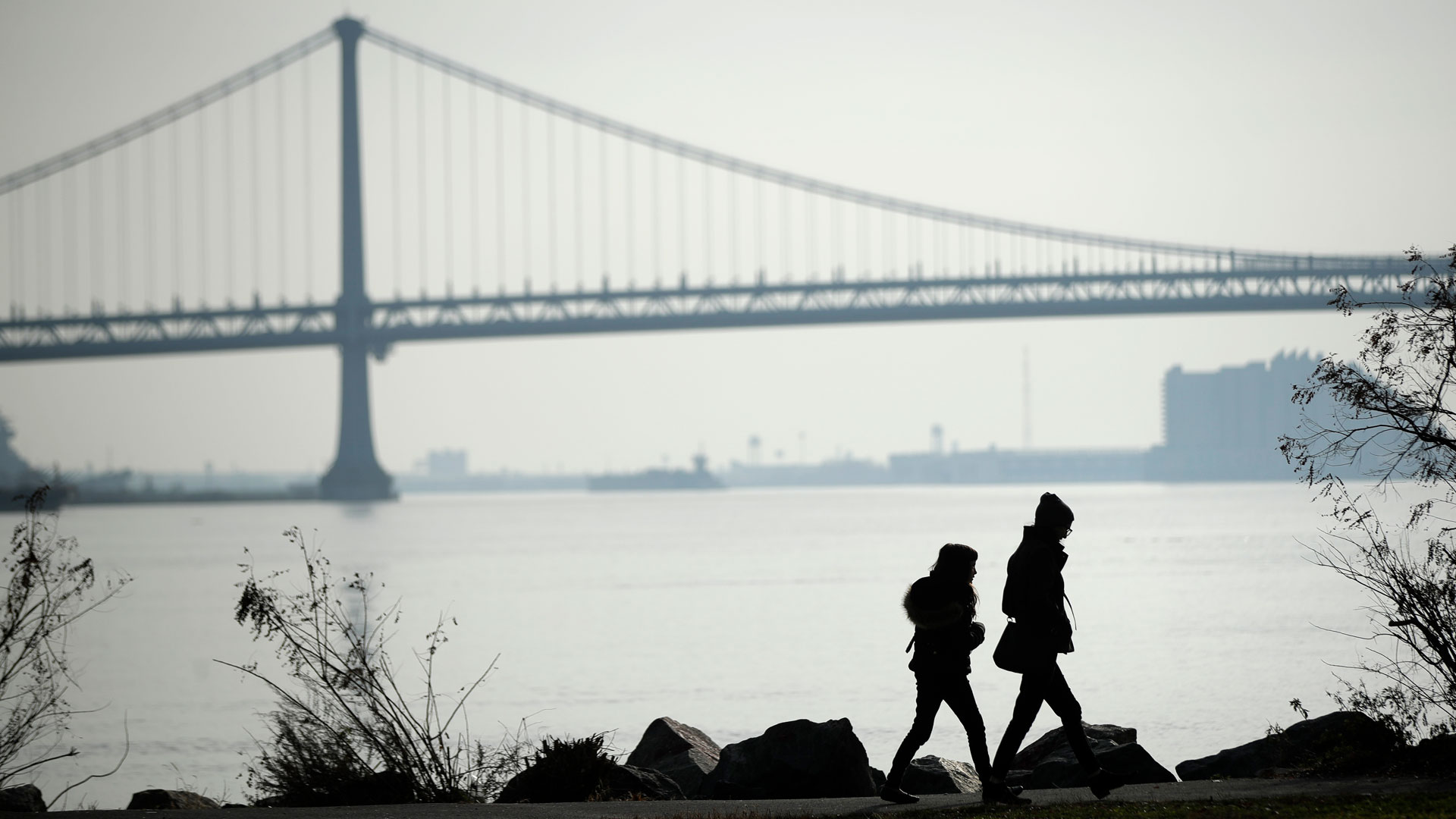
WASHINGTON — The U.S. government may soon be required to establish new water quality standards for the Delaware River from Camden south to protect the endangered Atlantic sturgeon and other aquatic life.
Under a new pending legal agreement, the head of the Environmental Protection Agency would be required to “sign a final rule” before June 30 creating water quality standards for a 38-mile portion of the river unless Delaware, New Jersey and Pennsylvania adopt new standards before then, something unlikely to happen.
The EPA announced the pending agreement Jan. 21, and public comments on the deal close Thursday. A federal judge must approve the deal, formally called a consent decree, before it can enter into force.
The agreement emerged from a federal lawsuit the Delaware Riverkeeper Network, an environmental group, filed in Pennsylvania federal court last year, demanding the EPA adopt more stringent water pollution standards and to improve the river’s health roughly between Camden and Wilmington, Del.
“A population like the sturgeon may very well disappear from the face of the Earth for forever,” Maya K. van Rossum, the Delaware Riverkeeper and a plaintiff, said in an interview Wednesday with NJ Spotlight News. “Hopefully, we’ve gotten to it in the nick of time.”
Standards unchanged since 1967
Higher oxygen levels in the Delaware, which supplies water to 16 million people across four states, would improve the prospects of the Atlantic sturgeon and other species in the river, which meanders 330 miles from its headwaters south to the Delaware Bay and ultimately the Atlantic Ocean.
In December 2023, the EPA, under the Biden administration, proposed raising the oxygen levels — in a measure called “dissolved oxygen” — for the Camden-to-Wilmington section of the river to 5.4 milligrams per liter from 3.5 milligrams per liter, the current standard that has not changed since it was set in 1967.
Raising the level of oxygen in the Delaware would require wastewater treatment plants to slash the amount of ammonia they release into the river.
Oxygen is vital for fish, just like humans and other mammals, to survive. “It’s a basic element of life that the sturgeon need,” van Rossum said, adding that higher oxygen levels would improve the well-being of other fish, plants and the humans who use the river’s water. “It’s important all the way around.”
Thousands of years ago, indigenous tribes harvested Atlantic sturgeon for their meat and eggs, and the fish are credited with saving many colonizing settlers in Jamestown, Va., from hunger in the early 1600s.
Decline of Atlantic sturgeon
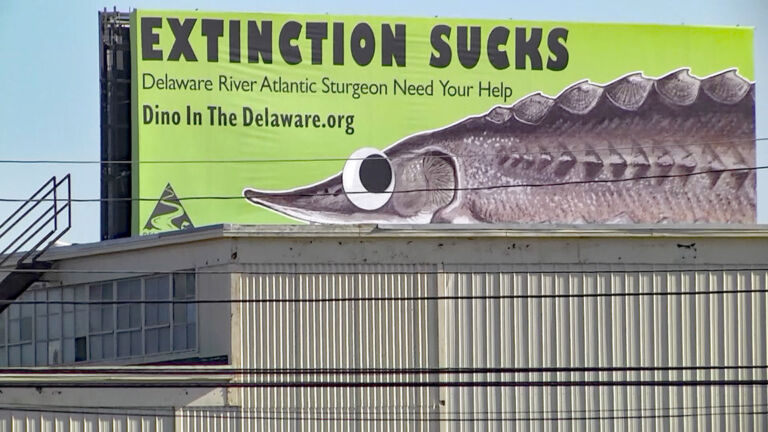
But by the early 1900s, populations of the fish had sharply declined due to overfishing, and the Atlantic sturgeon, long sought-after for its caviar, is listed under the Endangered Species Act, a federal law to protect plants and animals from being eliminated from existence.
A 2022 study the U.S. Geological Survey completed estimated the number of breeding adult Atlantic sturgeon that return to the Delaware annually was fewer than 250 fish.
 Credit: (Mauro Orlando from Flickr; CC BY-NC-ND 2.0)
Populations of Atlantic sturgeon live in waterways from Canada to Florida, and they can live up to 60 years, their scaly bodies growing up to 800 pounds and 14 feet long, according to the National Oceanic and Atmospheric Administration.
Raising the level of oxygen in the Delaware would require wastewater treatment plants to slash the amount of ammonia they release into the river, in turn depleting oxygen.
Treatment plants could limit the amount of ammonia they release by installing “nitrification” technology.
The EPA would also be required under the proposed deal to file status reports with the Pennsylvania court.
‘Clawing our way back’
Much of South Jersey, from farmers and fishermen to average residents, is reliant on water from the Delaware, said Adam Schellhammer.
What’s released upstream — raw sewage, agricultural runoff, industrial pollution and more — affects what trickles south, Schellhammer, Mid-Atlantic regional director for American Rivers, an advocacy group, said in an interview.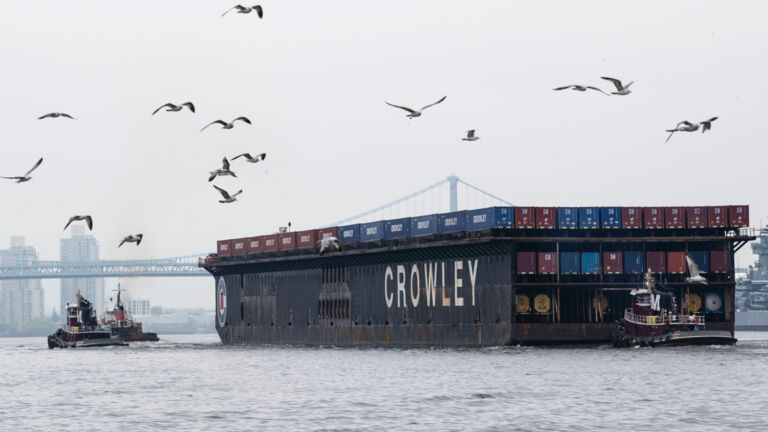
“Everything flows downstream,” Schellhammer said. “All that gets pushed down to the lower Delaware,” he said. “It’s all hitting Delaware and Jersey beaches.”
The health of rivers in the American East, like the Delaware, has been often overlooked, he said. “We’ve largely neglected our eastern waterways in our history.”
Of the Delaware in particular: “We’re definitely clawing our way back,” he said. “It’s a big, working river.”
Van Rossum wants the EPA to adopt water quality levels of 6.5 or higher — a more robust limit than what the agency proposed in 2023. “It’s just about the basics of life,” van Rossum said.