 Credit: (AP Photo/Kevin D. Liles, File)
As drug-related deaths are declining in New Jersey, some state lawmakers are hoping to enable more people to connect with opioid treatment through their cellphone or home computer.
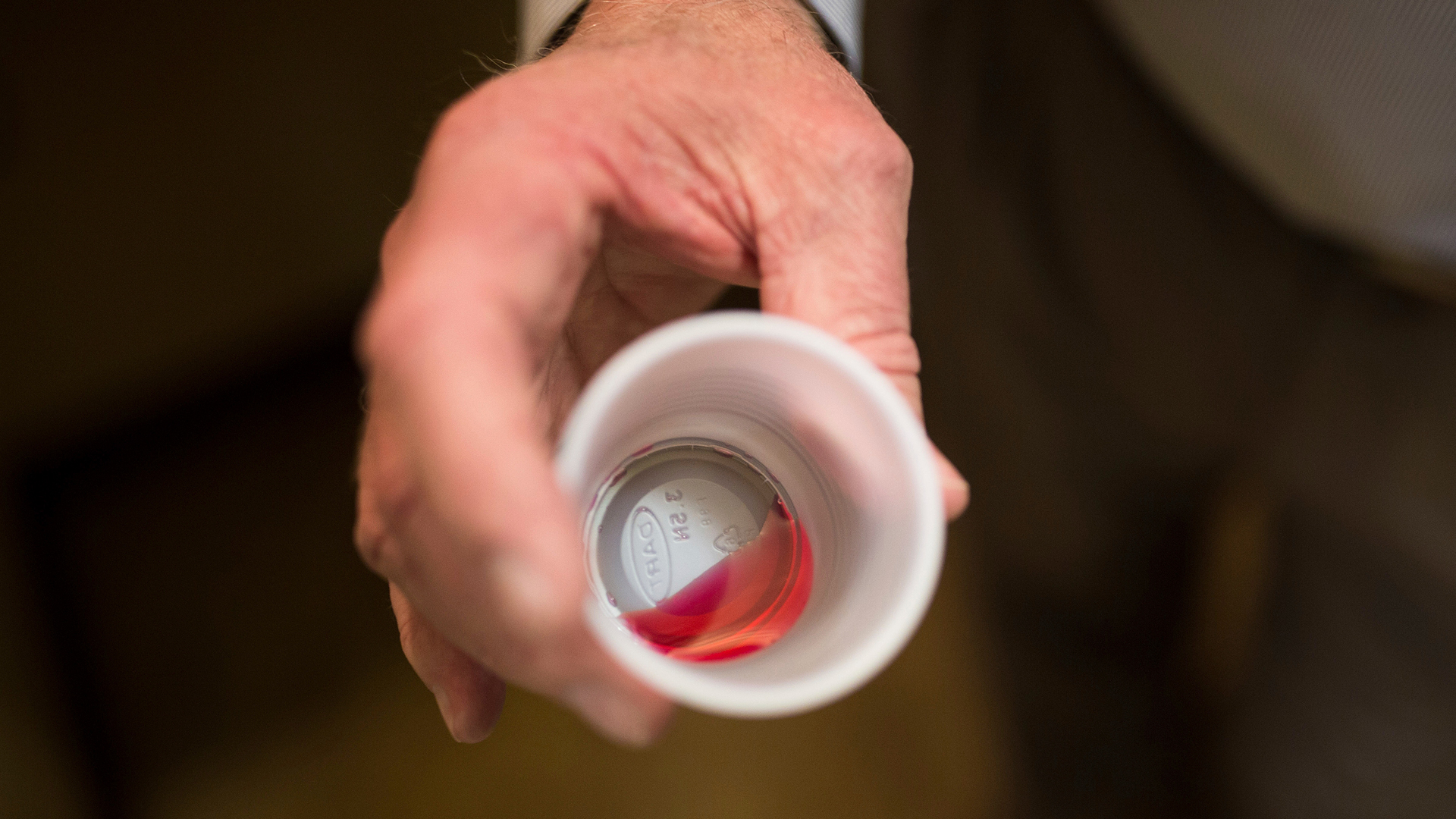
A bipartisan bill set for a hearing Thursday would create a “remote dosing” pilot program focused on three cities hard-hit by drug use: Atlantic City, Camden and Paterson. It calls for the state to select an opioid treatment provider — the official name for programs that offer methadone, a prescription opiate used to manage substance use disorder — from among those already operating in each of these communities and work with them to expand the use of telehealth for patients who are deemed stable enough for this option.
It’s an approach many providers embrace, according to Debra Wentz, president and CEO of the New Jersey Association of Mental Health and Addiction Agencies, which includes some methadone providers. Telehealth is “not right for every person, but it does help those who have barriers to care,” she said, including patients who may not have transportation options, or who struggle to get childcare.
One goal of the legislation is to increase patient “compliance” with a program, make it easier for people to remain on their prescribed medication and in treatment, instead of relapsing to illicit street drugs. “That’s because it is easier for people to keep their appointments” if they have a mobile option, Wentz said. It could also mean additional flexibility for providers, many of whom have faced staffing challenges recently, she added.
What’s in the bill
The legislation (A-2191), which is scheduled for review by the Assembly Aging and Human Services Committee, would also appropriate $225,000, or $75,000 to each program, to support the changes. The Department of Human Services, which oversees community-based treatment programs, would select the participating providers, allocate the funding and publish a report each year on the impact of telehealth use in methadone monitoring.
While telehealth can currently be used for some aspects of ongoing addiction treatment, it is not currently permitted for program induction, or the initial visit when methadone is prescribed, the department said.
The legislation is sponsored by Assembly members William Moen Jr. (D-Camden), Benjie Wimberly (D-Passaic) and Shanique Speight (D-Essex), who chairs the Aging and Human Services Committee, along with co-sponsors John Azzariti Jr (R-Bergen), a physician and Reginald Atkins (D-Union). A companion measure led by Nellie Pou, a former state senator from Passaic set to join the House of Representatives, has yet to advance.
New Jersey has 42 licensed outpatient opioid treatment centers and two residential programs that serve more than 20,000 patients, according to the state. In addition to providing methadone and buprenorphine, another prescription opiate designed to treat addiction, these programs provide counseling, case management, access to peer support and other services. The treatment requirements are dictated by federal and state regulations that call for at least four counseling sessions per month after an initial visit, as well as unscheduled drug tests twice a month, during the first phase of treatment, which lasts at least three months.
More than medication
“Robust counseling is important,” Wentz said. “It takes more than just medication to keep people in treatment and recovery.”
Five of these treatment programs also provide mobile services using retrofitted vans the state has helped to fund for more than a decade, an effort to reach those who can’t or won’t visit a brick-and-mortar clinic. In October, the state announced it would invest another $3.2 million to expand mobile programs with three additional vans to serve patients in Monmouth, Middlesex, Burlington and Ocean counties, starting in 2025. Initially these new vans will provide buprenorphine, a synthetic opioid used in treatment programs, but the state anticipates methadone will be added as an option in the coming year.
When the pandemic hit, the DEA permitted the use of telehealth for prescribing methadone, buprenorphine and similar medications.
“Hard-to-reach populations are not likely to access traditional health care and social services on their own due to a number of barriers including mental illness, unstable housing, or lack of transportation. Stigma and lack of trust also keep people from seeking out services. Mobile vans can go where help is needed and connect people to treatment and services that will hopefully lead to long-term recovery,” Deputy Commissioner of Health Services Valerie Mielke said at the time.
Experts suggest these efforts are starting to pay off as New Jersey appears on track for a double-digit decrease in fatal overdoses in 2024, when compared to 2023 figures, according to data on suspected drug deaths from the Office of the Chief State Medical Examiner. However more than 1,680 people lost their lives to drugs through November of this year alone and deaths among some groups — including Black and Hispanic people ––continued to trend upward through 2022, the most recent year for which a demographic breakdown is available.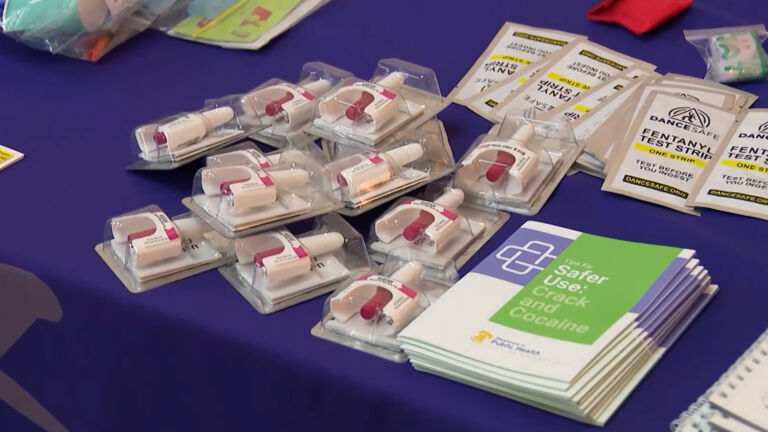
Anyone who needs help with drug or alcohol use — or is concerned about a loved one’s substance use — is encouraged to call New Jersey’s 24-hour a day, seven-day a week helpline at 1-844-ReachNJ or 1-844-732-2465.
Pandemic-related reforms
Expanding telehealth access to these programs would build on nationwide reforms to methadone distribution that were initiated during the COVID-19 pandemic. Methadone — which is strictly regulated by the federal Drug Enforcement Administration in the same way as cocaine, methamphetamines and oxycodone — was traditionally available almost exclusively from brick-and-mortar sites that often existed at the edges of a community, making it hard for patients to get care. Patients had to visit daily in person and consume their medication onsite, within view of program officials.
When the pandemic hit, the DEA permitted opioid treatment programs to provide stable patients with take-home doses, starting with seven days’ worth of methadone. The agency also permitted the use of telehealth for prescribing methadone, buprenorphine and similar medications. New Jersey is one of 35 states that agreed to honor both changes, allowing for methadone use at home and prescribing by phone or video call.
These changes were initially tied to the federal health emergency for the pandemic, which expired in 2023, and led the DEA to seek temporary extensions while it drafted new rules that permitted more flexibility. The process has required the agency to review more than 38,000 public comments and input it received at public meetings and at sessions with tribal governments. In November, the DEA sought a third extension to the rules allowing for remote methadone prescribing, through the end of 2025, while it finalizes the new regulations.
“The purpose of the … proposed rules was to make permanent some of the telemedicine flexibilities established during the COVID-19 PHE in order to facilitate patient access to controlled medications via telemedicine when consistent with public health and safety, while maintaining effective controls against diversion,” the DEA wrote in its extension request to the U.S. Justice Department.