
 Credit: (Gavin Schweiger)
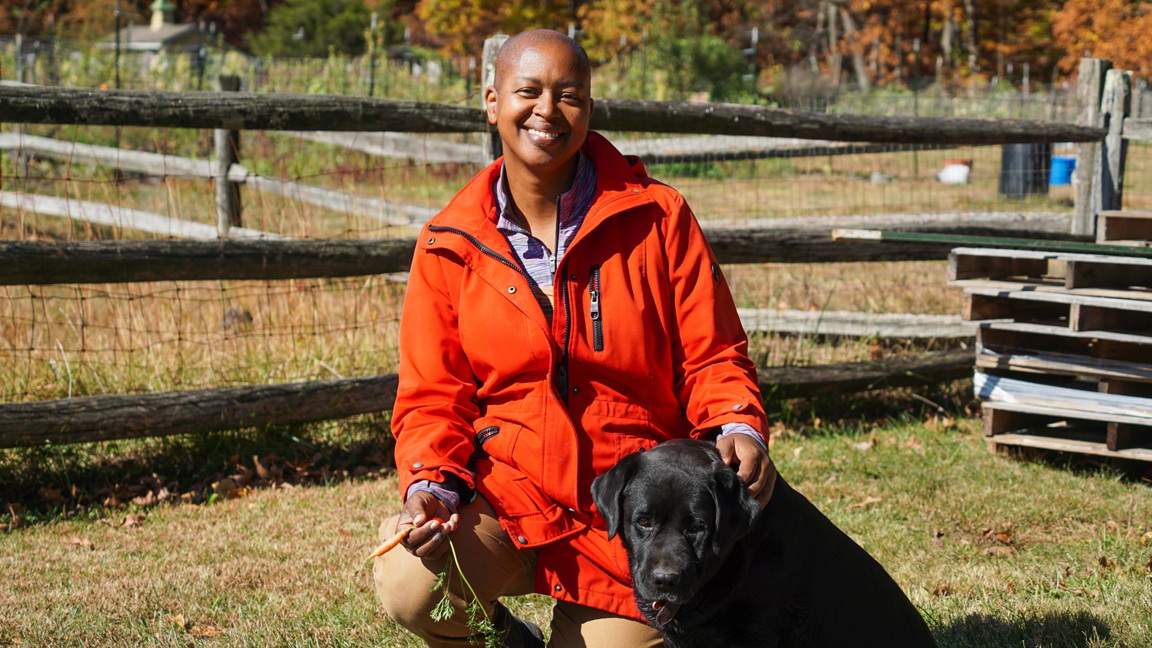
Tomia MacQueen and her family started Wildflower Farm in Pennington, Mercer County in 2019 with the goal of finding sustainable and ethical ways to produce food for her family and community.
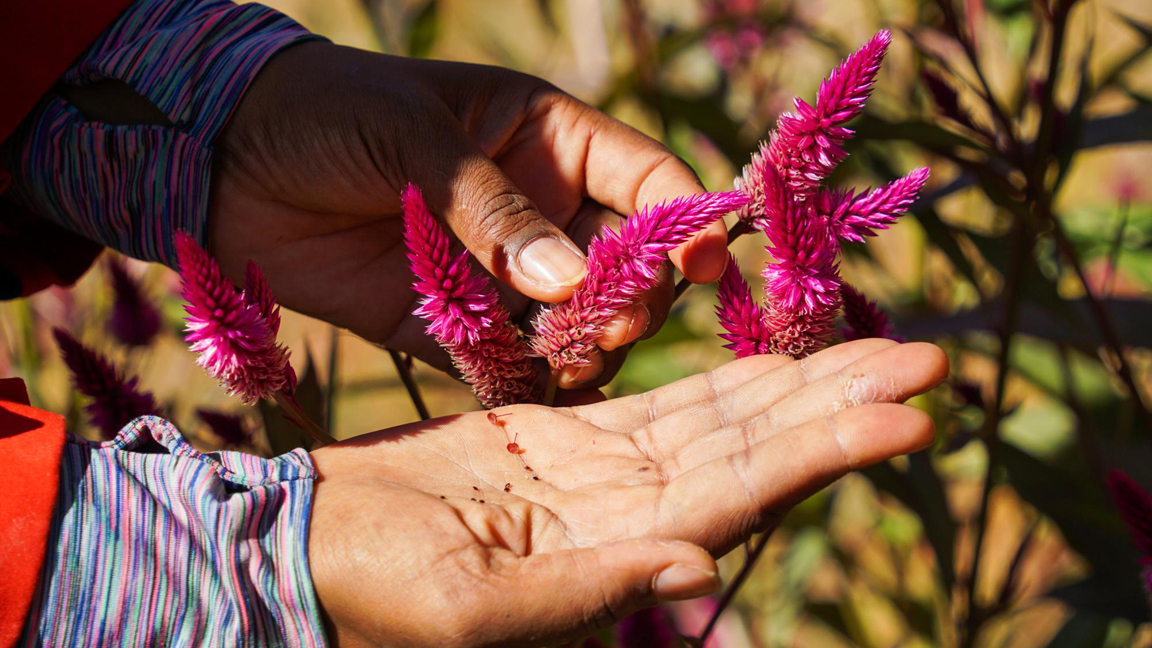
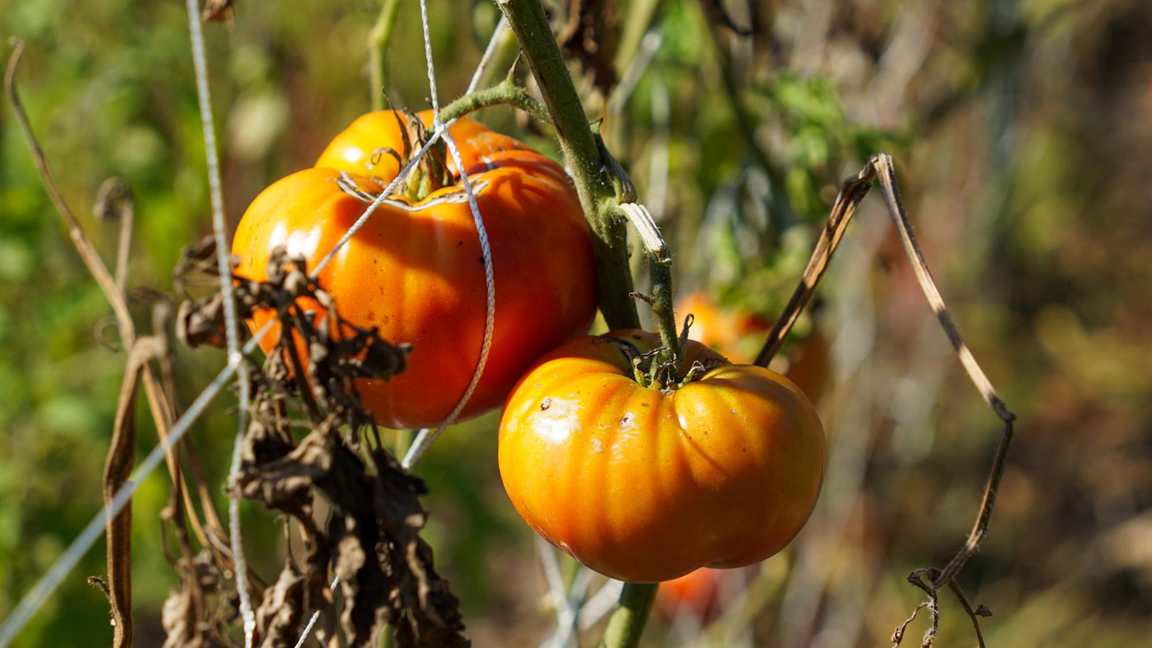
The 42-acre farm has geese, chickens, ducks, sheep, and a plethora of plant varieties from all over the world, including corn, Nigerian Lagos spinach, and Peruvian peppers.
 Credit: (Gavin Schweiger)
An educator, speaker and dancer, MacQueen became an avid gardener while living in Michigan, where she was raised. She’s been a master gardener for 16 years.
Building their community with other family farmers in the area, the MacQueen family were able to make their farm into what it is today. MacQueen’s philosophy is sustainability, humane care and processing of animals, conservation and transparency.
 Credit: (Gavin Schweiger)
“You have to be able to trust your farmer,” she said.
According to the New Jersey Census of Agriculture, only 97 of the state’s 9,998 farms are Black-owned, and fewer than 1% of those are certified organic. MacQueen is moving toward joining that small group of organic farmers, which is no small task.
 Credit: (Gavin Schweiger)
“As an African-American woman farmer, you don’t know what you’re going to get in community,” she said.
MacQueen felt lucky that she found a supportive community that is “safe and comfortable,” with plenty of other farmers that mentor and help her to this day.
Also, as an educator on gardening and homesteading, she believes that it’s important to grow food, even in small spaces.
 Credit: (Gavin Schweiger)
Growing food “can be as simple as you like,” she said. “Anything that doesn’t need pollination can grow in your house.”
The farm is growing rapidly. It is receiving grants, and opening up parts of the farm to BIPOC (Black, Indigenous and people of color) farmers and university projects. MacQueen, however, never lost the simple idea of having a garden.
“The goal is to walk through your garden and eat your breakfast,” said MacQueen.