 Credit: (AP Photo/John Minchillo, File)
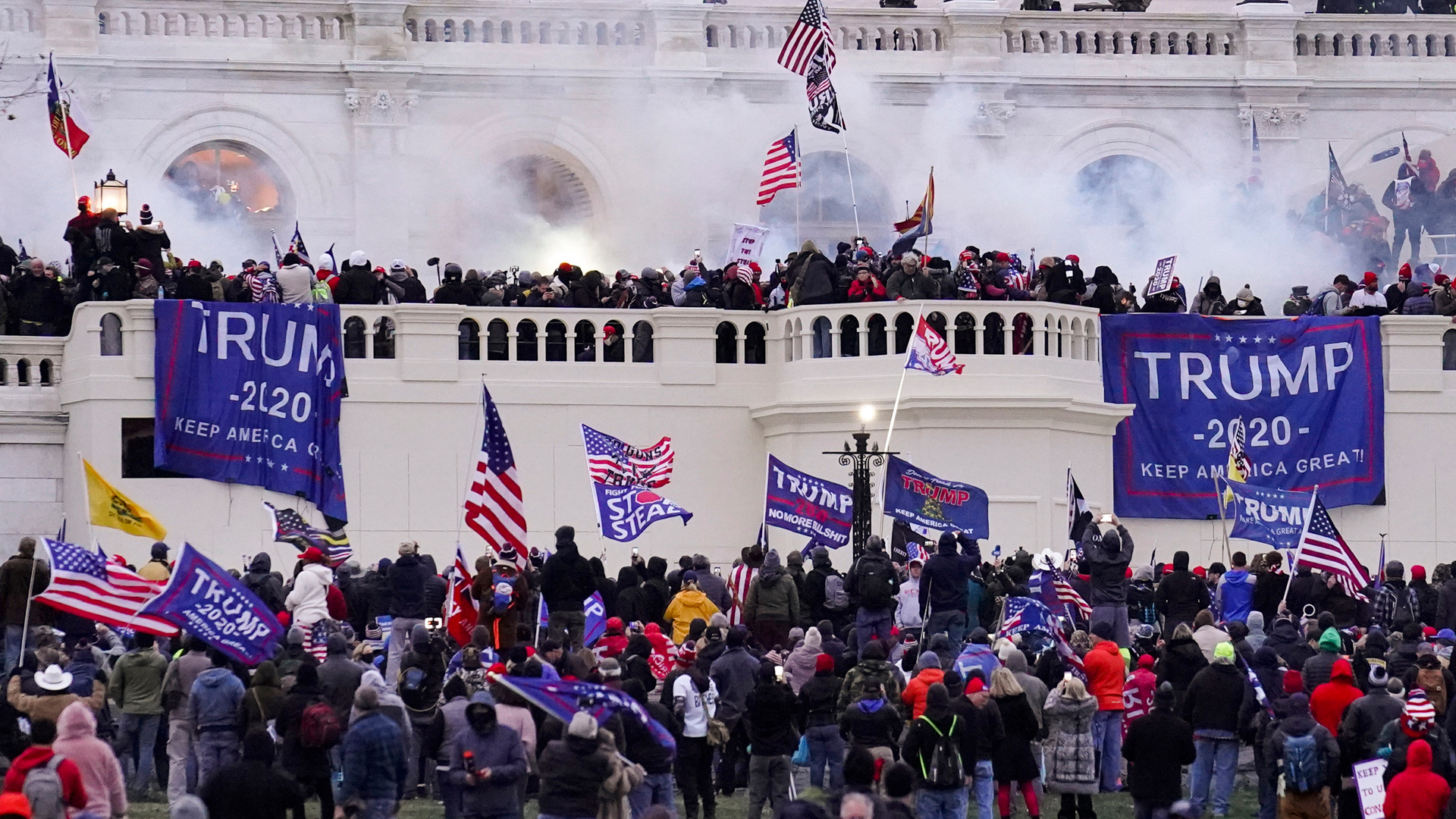
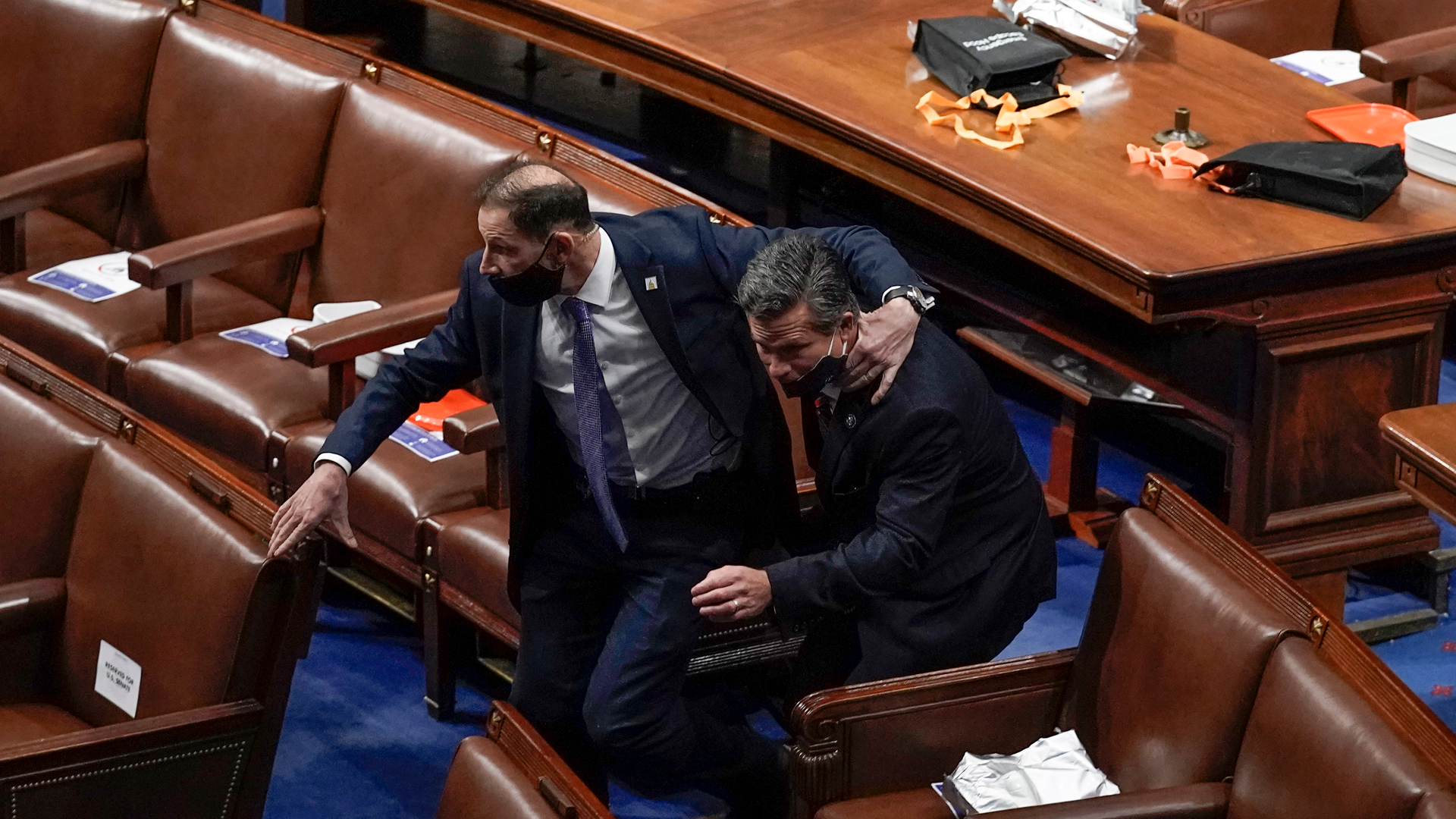
WASHINGTON — After former Vice President Mike Pence gaveled the House back into session at 9:02 p.m., following the first attack on the Capitol since British troops set fire to the building 207 years prior, more than 140 Republican lawmakers were adamant.
They insisted Joe Biden had not won the presidency, despite no evidence and court challenges that had unearthed nothing to bolster their case.
That night, Jan. 6, 2021, after police and soldiers rebuffed a violent coup to keep former President Donald Trump in office, Rep. Jeff Van Drew (R-2nd) objected to the formal certification of electoral votes from Arizona and Pennsylvania, two swing states Biden won.
“After this past presidential election, approximately 60 million Americans have serious doubts about the outcome,” Van Drew said from the House floor, in an apparent reference to Trump supporters upset with the outcome. “That is a number that we cannot ignore.”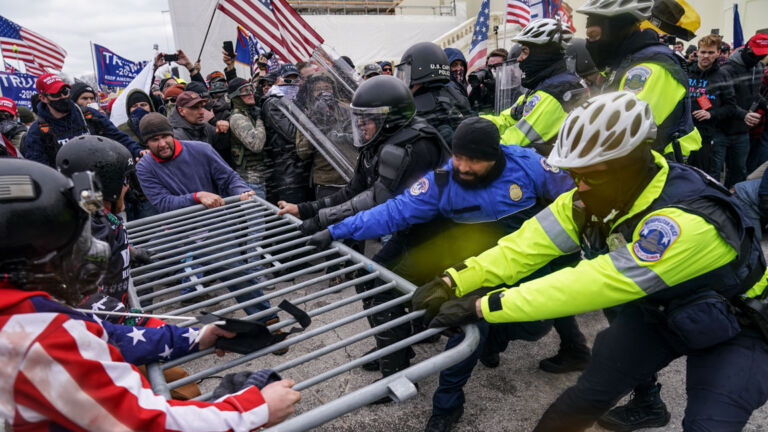
Ultimately, Van Drew was one of the 147 members of Congress — and the only New Jersey representative — who voted to deny the certification of the 2020 results.
The shadow of 2020 election denial
Nearly four years after that vote, lies about the 2020 election, in particular that Democrats orchestrated a strategy to steal the victory from Trump, loom large in the American mind and the status of the world’s oldest democracy remains unstable.
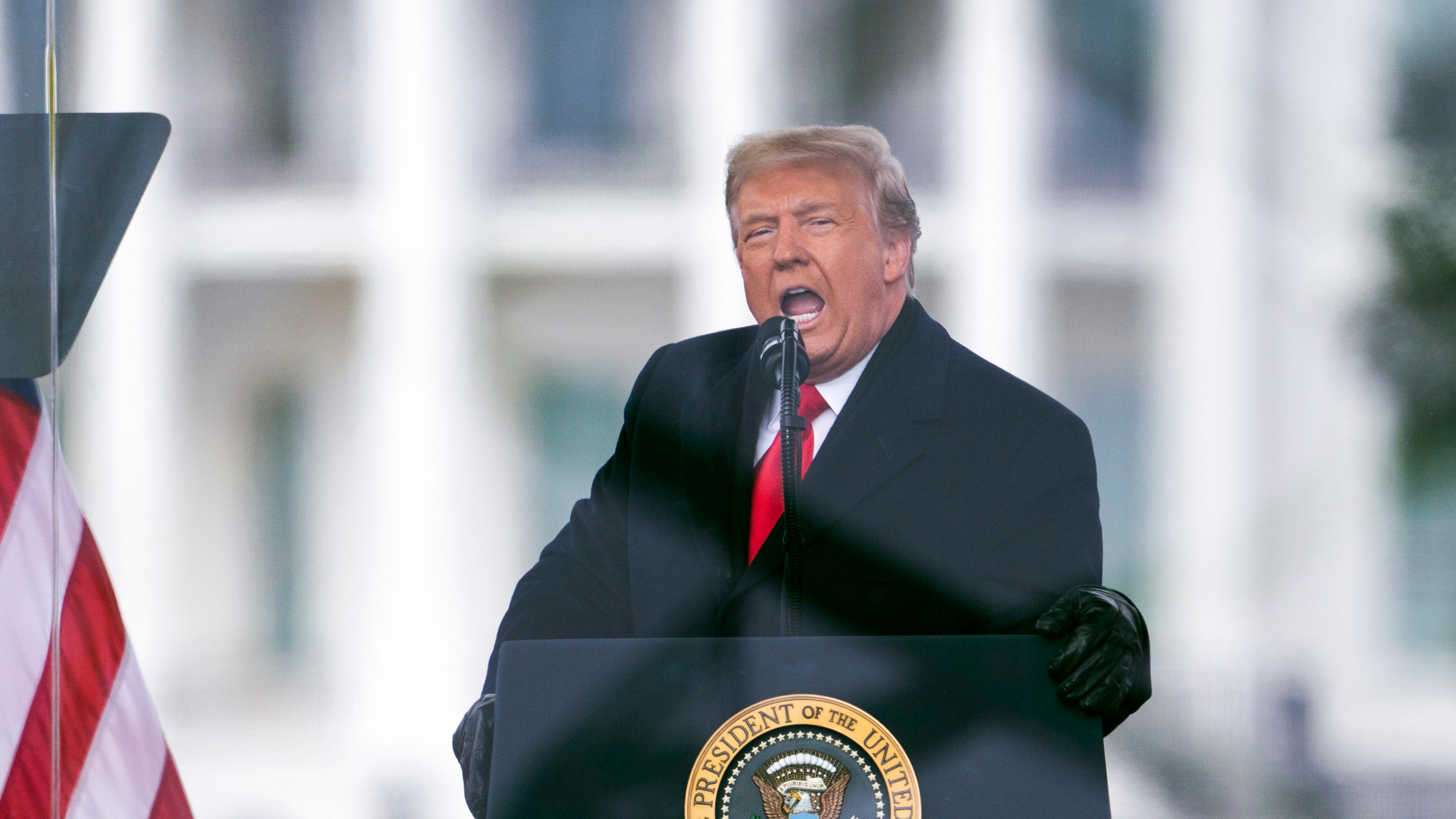
Trump has not publicly accepted that he lost and has been sowing public doubt for years that if he loses again Tuesday, it will be due to fraud. The false notion that Biden is an illegitimate president lies deep within the Republican Party.
 Credit: (AP Photo/Evan Vucci, File)
Thirty percent of Americans, including 68% of Republicans, thought Biden won “because of voter fraud,” according to a Monmouth University poll from June 2023.
A majority of voters in swing states think Trump will not accept defeat if he loses the 2024 election, according to a George Mason University and Washington Post survey of more than 5,000 voters in swing states.
Van Drew was also one of 126 House members who signed on to a legal brief in support of a 2020 lawsuit to overturn Biden’s victory that year.
That survey, released Tuesday, said 57% of respondents are “very” or “somewhat” concerned about violence from Trump backers if he loses.
And another survey, which The Associated Press and the NORC Center for Public Affairs Research published this week, said about 4 in 10 registered voters are “extremely” or “very” concerned about violent attempts to overturn the results of next week’s election.
Fateful day and night
On the night of Jan. 6, 2021, Republicans in Congress challenged the vote totals in several swing states, but only two formal challenges — one against the tally in Arizona, the other in Pennsylvania — passed procedural hurdles to force roll-call votes.
 Credit: (AP Photo/J. Scott Applewhite)
The House voted against the challenge to the Arizona votes, with 121 Republicans voting for the challenge and 303, including 220 Democrats and 83 Republicans, voting against it. In the Senate, just six members voted against certifying Arizona’s votes.
For the challenge against Pennsylvania’s electoral votes, 138 Republicans in the House voted against certification and 282 lawmakers — 218 Democrats and 64 Republicans — voted for it.
Across Capitol Hill, seven senators voted for the petition against Pennsylvania’s vote total.
‘But calling an election unfair does not make it so. Charges require specific allegations and then proof. We have neither here.’ — Judge Stephanos Bibas wrote in a ruling against Trump.
A spokeswoman for Van Drew, Paxton Antonucci, did not respond to emailed questions about if the congressman regrets his vote and if the congressman thinks Biden is an illegitimate president.
All of New Jersey’s Democratic members and Rep. Chris Smith (R-4th) voted for certification.
Smith cited a public comment of former U.S. Attorney General William Barr, who had said there was no evidence of voter fraud that would have altered the election outcome.
“Even if the nefarious activity was minor — and not likely to alter the outcome of an election — individuals who engage in such acts should be held accountable in a court of law,” Smith said at the time.
Van Drew’s stance
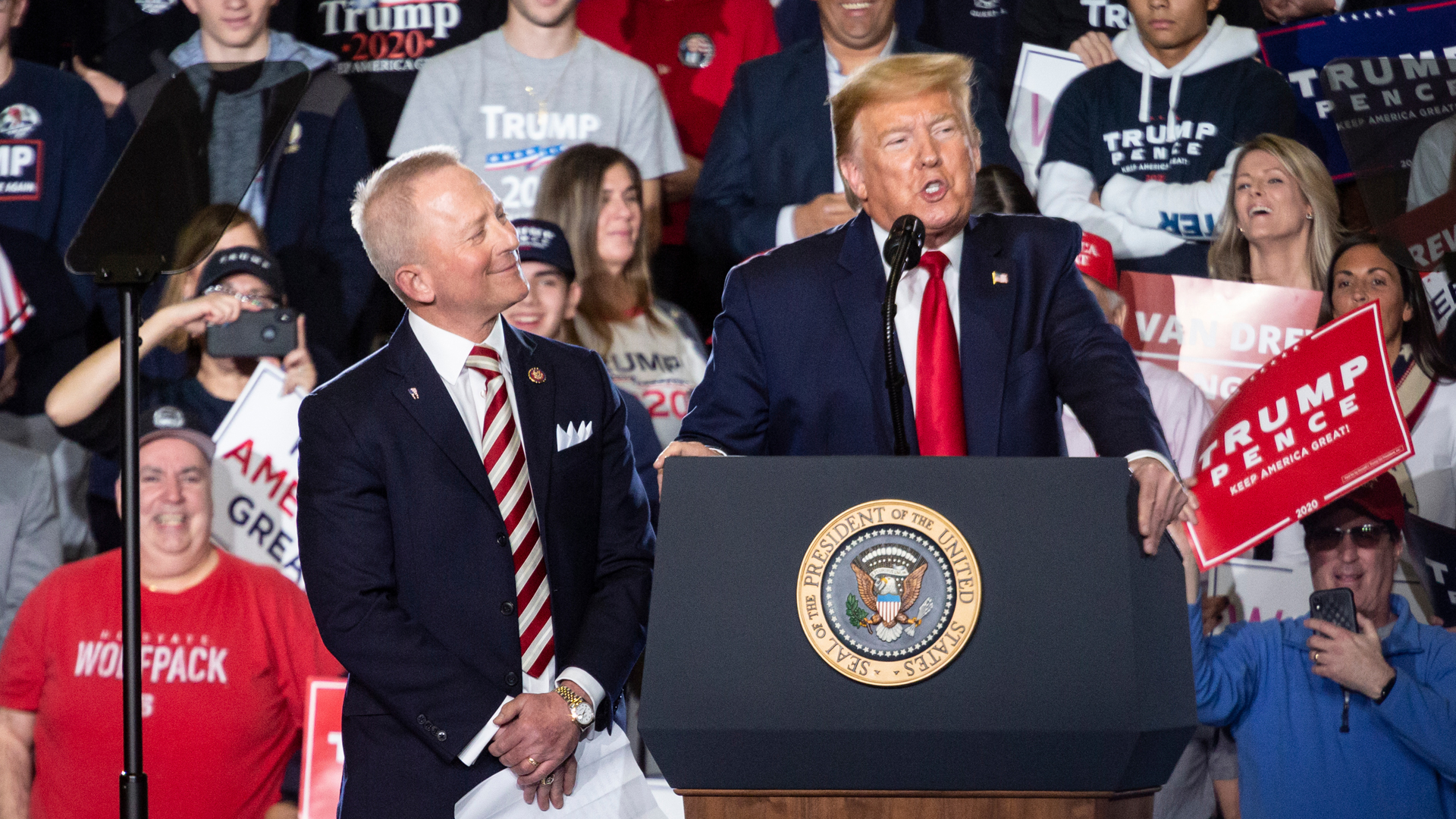
Van Drew was also one of 126 House members who signed on to a legal brief in support of a 2020 lawsuit to overturn Biden’s victory that year.
 Credit: (Shutterstock)
House Speaker Mike Johnson, a Republican from Louisiana, helped lead that brief in the case, which the Texas attorney general filed with the U.S. Supreme Court to invalidate the results of four decisive states Biden won: Georgia, Michigan, Pennsylvania and Wisconsin.
Certification of the results of the Electoral College, the group of human electors that gathers every four years to formally elect a president and vice president, had been a routine affair for Congress until the 2020 presidential election.
During the debate right after the Capitol was ransacked, lawmakers of both parties cited a ruling after that election from a federal appeals court judge, Stephanos Bibas, whom Trump nominated and the Senate confirmed in 2017.
“Free, fair elections are the lifeblood of our democracy. Charges of unfairness are serious. But calling an election unfair does not make it so. Charges require specific allegations and then proof. We have neither here,” Bibas wrote in a ruling against Trump.
Vice presidents have the ceremonial duty of overseeing Congress as it certifies elections, meaning it’s possible Vice President Kamala Harris, who is running a tight election race against Trump, would have to certify her own victory or loss.
George H.W. Bush, who had been Ronald Reagan’s vice president, presided over his own 1988 electoral victory for the presidency.
In 1961, then-Vice President Richard Nixon presided over the votes that certified his loss to John F. Kennedy. Al Gore led the certification of his own loss 40 years later to close the 2000 presidential election, the closest in American history. After a recount in Florida, that campaign ended when the U.S. Supreme Court ruled 5-4 against Gore.