 Credit: (AP Photo/Seth Wenig)
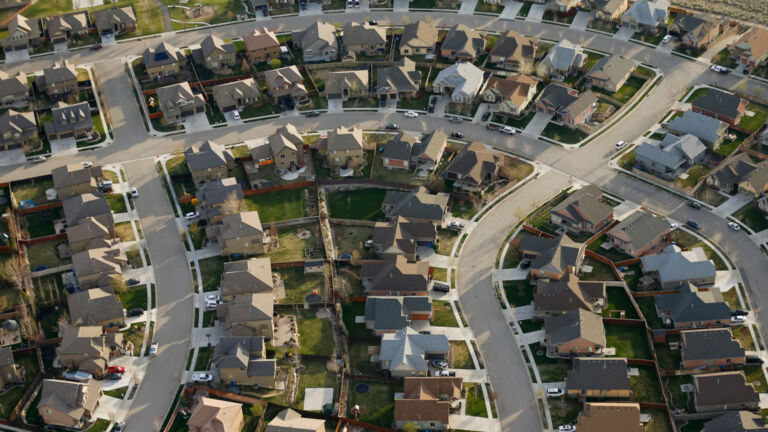
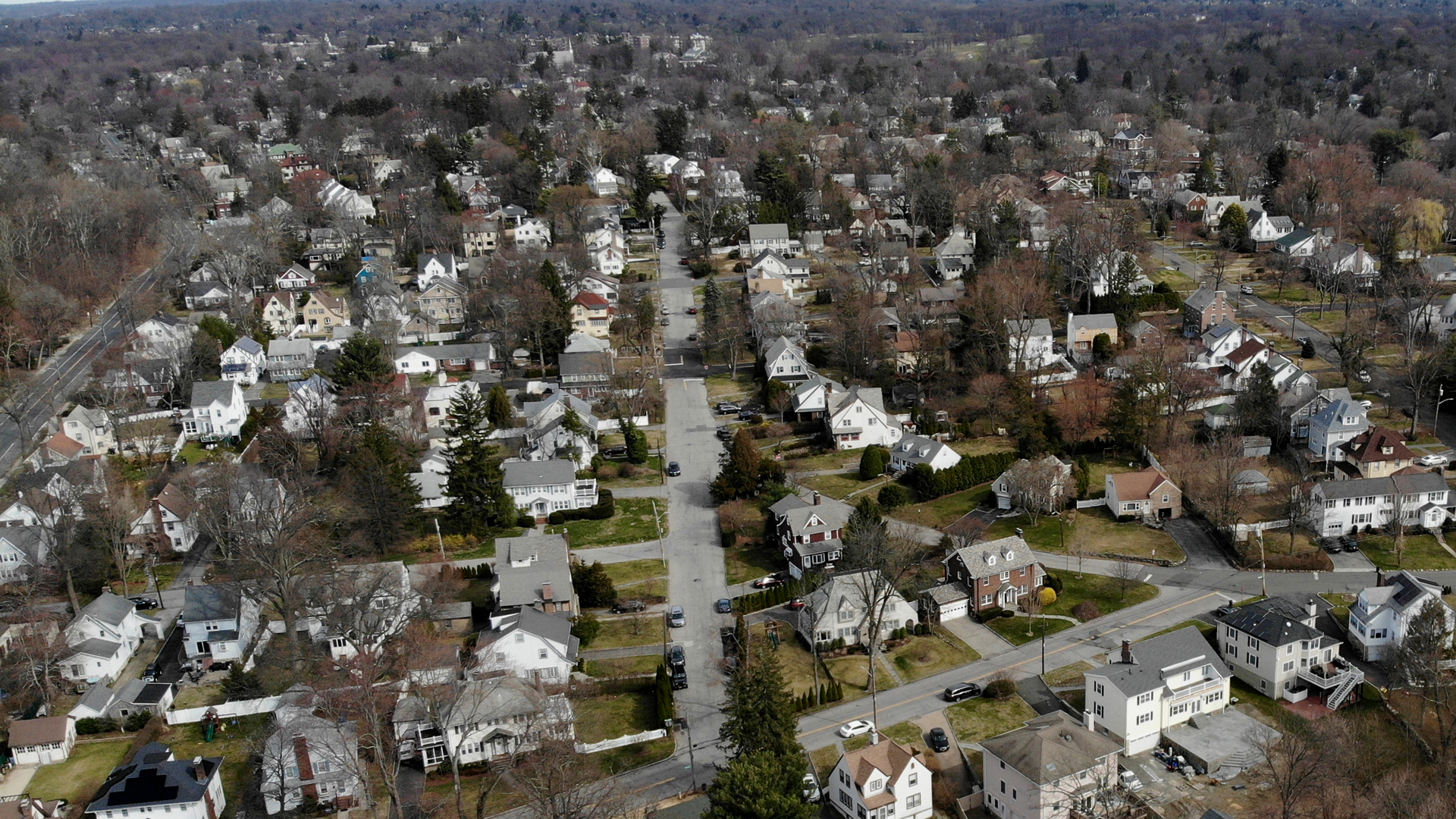
A key legislative panel voted unanimously for a plan to boost state-funded property-tax relief for many senior homeowners in New Jersey, despite lingering questions about the fairness of the proposal and its expected price tag.
Votes cast on Monday by members of the Senate Budget and Appropriations Committee came as top Democratic legislative leaders remain committed to an election-year pledge to cut property-tax bills in half for many senior homeowners.
To help come through on that promise, Gov. Phil Murphy and lawmakers have been socking away millions of dollars annually for an initial round of benefits that would be paid out to senior homeowners making as much as $500,000 annually, starting in early 2026.
These allocations have come on top of the more than $2 billion earmarked in the current state budget for the next round of Anchor property-tax relief benefits, which total as much as $1,750 for eligible senior homeowners.
This month, eligible homeowners and renters will begin receiving that next round of Anchor benefits, Department of the Treasury officials said last week.
Questioning Stay NJ’s staying power
The new benefits, called Stay NJ, as promised by Democratic officials, would total as much $6,500 per eligible recipient. The question of how the state will afford them beyond the first year was one of the key subjects of debate as committee members considered codifying some of the policy framework needed to implement the new program.
‘We have little idea how it’s going to be paid for.’ — Sen. Michael Testa (R-Cumberland)
Much of that framework is based on recommendations made earlier this year by a panel of experts assembled by Murphy and legislative leaders that has already been approved by the full state Assembly.
In a state with some of the highest local property-tax bills in the nation, Republicans on the budget committee all voted Monday in unison with their majority Democratic counterparts in favor of the Stay NJ legislation, saying they support the idea of cutting property taxes for senior homeowners.
But several GOP members also questioned whether a state that is currently operating with a more than $2 billion gap between annual revenues and expenditures will be able to sustain the new relief program beyond the first year.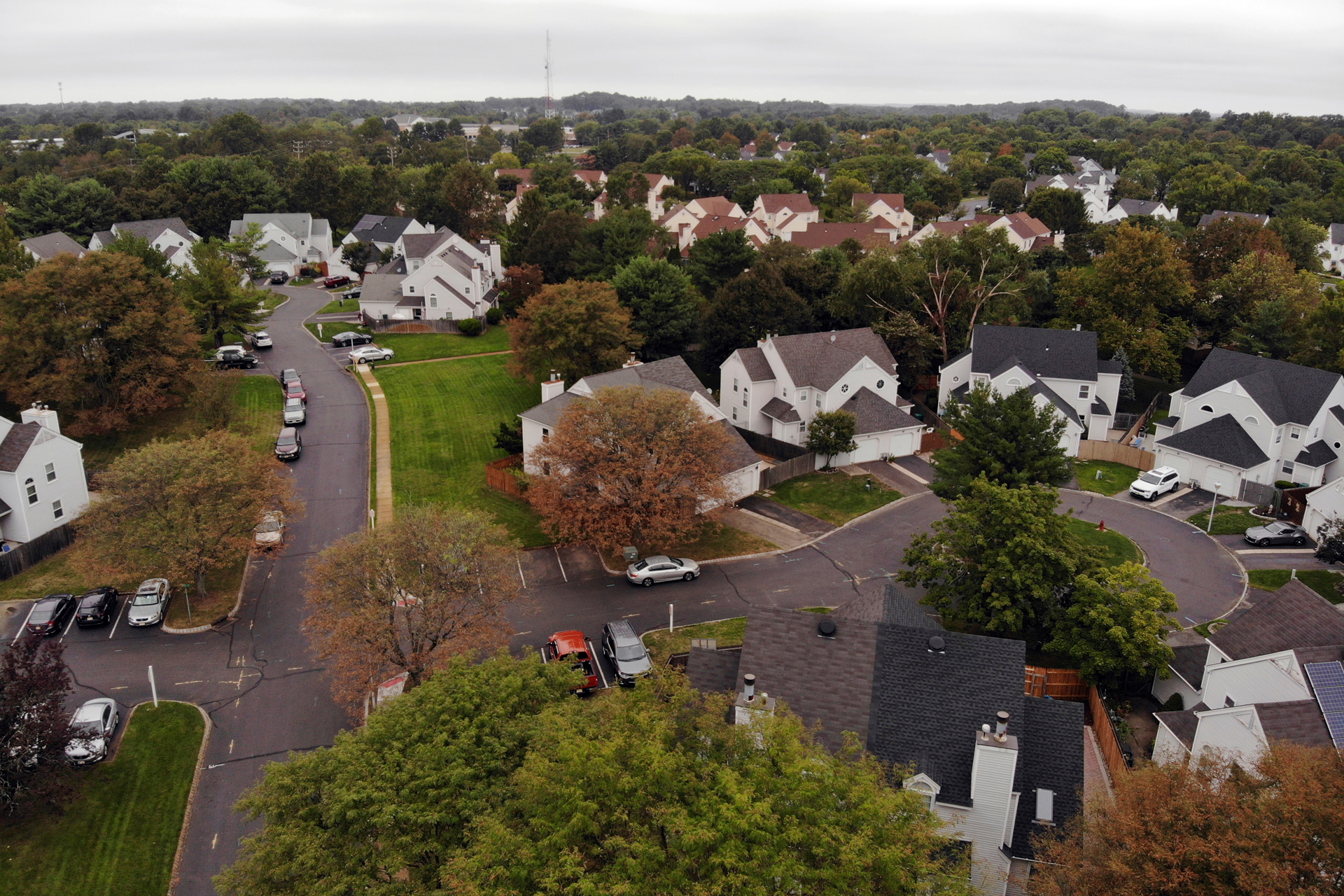
Over the summer, Murphy and Democratic legislative leaders agreed to spend down surplus and divert funding from the state’s dedicated debt-relief reserve as part of their efforts to keep in balance the overall $57 billion annual budget in place for the current fiscal year.
The money is the thing
“I certainly have reservations,” said Sen. Michael Testa (R-Cumberland) during Monday’s discussion of the Stay NJ legislation.
“We have little idea how it’s going to be paid for,” Testa said.
“It was a joke to begin with,” added Sen. Declan O’Scanlon (R-Monmouth). “It is now impossible under the mess that our budget is.”
Meanwhile, the two witnesses who testified before the committee also raised questions about the viability of the Stay NJ program, among other concerns.
‘I want to be optimistic and hope that we’ll be able to move this program forward.’ — Sen. Linda Greenstein (D-Middlesex)
The panel of experts estimated Stay NJ, as currently designed, will cost the state more than $1 billion annually once fully operational. But after the 2026 fiscal year, there “is no funding to support Stay NJ,” said Ellen Steinberg of the Senior Citizens Council of Union County.
Among their other concerns, Steinberg and Peter Humphreys, who was also testifying on behalf of the senior citizens organization, suggested too much of the funding currently being set aside for Stay NJ will help fund benefits for seniors with the highest incomes and largest tax bills.
“It may seem strange to some of you that we, as a senior citizens organization, have so many concerns with the bill,” Steinberg said.
Fears for Anchor loss
Meanwhile, Humphreys said a recommendation by the expert panel that calls for streamlining the state’s current property-tax relief offerings would result in the elimination of two years’ worth of Anchor benefits for many senior homeowners, costing them a combined $3,500 as a backlog in Anchor payments would be eliminated in a “fast shuffle.”
“That’s not right,” he said. “People paid their taxes expecting a rebate, and this bill cancels it.”
While no one testified in favor of the bill, committee chair Paul Sarlo (D-Bergen) pushed back against some of the concerns raised during Monday’s hearing, suggesting the discussion about the program’s long-term viability would be more appropriate during hearings on the next annual budget.
He also said it’s too early to say whether the state will or won’t have the revenue needed to fund the promised benefits, noting it’s not yet clear which candidate will win this year’s presidential election.
“Stay NJ is not a joke,” Sarlo said. “It was a well thought-out plan, by a significant amount of sponsors, who truly believe senior citizens need to stay here.”
“I think we do need to take a holistic approach, and today’s not the day to do that, but today’s the day to continue to have the discussions,” Sarlo said.
“I want to be optimistic and hope that we’ll be able to move this program forward,” added Sen. Linda Greenstein (D-Middlesex). “We’ll have to see how things develop.”