
 Credit: NJlottery.com
New Jersey Lottery sales topped $3.5 billion during the last fiscal year, helping again to provide more than $1 billion for public-worker pensions, according to the latest preliminary figures.
Unaudited financial results released by Lottery officials last month also showed players won more than $2 billion in New Jersey during the 2024 fiscal year, which ended June 30.
The winning tickets included a Mega Millions jackpot of more than $1 billion sold in March in Monmouth County, which was the largest win in state history, Lottery officials said.
But in addition to funding prizes and jackpots, state law requires a portion of Lottery revenues to fund the pensions of teachers, police officers and other retired public workers in New Jersey.
In all, lawmakers and Gov. Phil Murphy dedicated more than $7 billion toward public-worker pensions in New Jersey during the last fiscal year. This includes $1.1 billion in statutorily dedicated Lottery contributions, as well as additional funding allocated for pensions directly out of the state budget.
Founded in 1970, the state Lottery offers a number of different games for residents ages 18 and older, ranging from scratch-offs to the big multi-jurisdiction lotteries, including Mega Millions and Powerball.
Lottery’s key numbers
Lottery sales totaled $3.6 billion in the last fiscal year, a drop of about 2.5% from the record-high $3.7 billion in the previous year, according to the preliminary figures.
But some games experienced a net increase in sales, including the multistate Powerball, which generated a nearly 20% year-over-year increase as jackpots soared above the $1 billion mark three times in the last fiscal year.
New Jersey began dedicating a portion of the Lottery system’s annual revenues to the pension fund under a policy change enacted in 2017 by then-Gov. Chris Christie.
The multistate Mega Millions game generated seven large jackpots during the last fiscal year, including the one sold in New Jersey that topped the $1 billion mark, which remains unclaimed, Lottery officials said.
“FY2024 will go down in history as one of the most exciting years for New Jersey Lottery players,” said James A. Carey, executive director of the state Lottery.
For their part, approximately 6,700 retail businesses earned more than $215 million in Lottery commissions and bonuses during the 2024 fiscal year, officials said.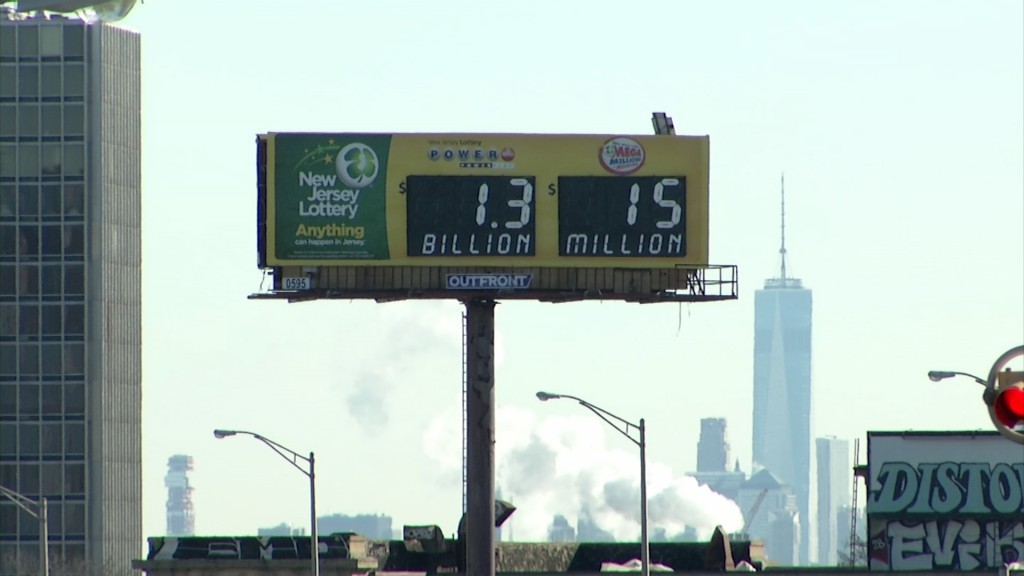
The state Lottery’s latest annual operational costs were not immediately disclosed, but $159 million was spent on operations during the 2023 fiscal year, according to the organization’s latest annual report.
Meanwhile, annual performance incentives owed to Northstar New Jersey Lottery Group, the state’s outside sales and marketing vendor, are pending the final fiscal year 2024 audit, officials said.
The pension connection
New Jersey began dedicating a portion of the Lottery system’s annual revenues to the pension fund under a policy change enacted in 2017 by then-Gov. Chris Christie.
At the time, state government was underfunding annual employer pension contributions, and in some years, making no contribution at all. That practice helped generate a massive unfunded liability that remains a key concern today.
The 2024 fiscal year was the seventh time the Lottery’s annual pension contributions topped $1 billion, officials said.
As a result of the policy change authored by Christie, Lottery revenues now flow directly into the pension fund monthly to supplement contributions from the state budget made quarterly.
The monthly payments from the Lottery allow pension fund managers to invest that money and take advantage of compound interest for a greater yield.
As of May 31, fiscal year 2024 returns totaled nearly 9.5% for the portion of the pension fund managed by the Department of the Treasury’s Division of Investment, according to preliminary figures reviewed during a public meeting late last month.
Looking ahead
Meanwhile, in more recent years, Murphy and lawmakers have been allocating enough state funding for public-worker pensions, including the dedicated Lottery contributions, to hit the marks set by actuaries for what would constitute a “full” annual contribution for state government.
The 2024 fiscal year was the third in a row to see state government hit that target for the annual pension payments, and another full payment is budgeted for fiscal year 2025. It was also the seventh time the Lottery’s annual pension contributions topped $1 billion, officials said.
However, since New Jersey’s pension system remains grossly underfunded, annual cost-of-living adjustments for retirees have been suspended for more than a decade under another cost-saving measure enacted by Christie.
In its latest long-range projections, Treasury has assumed more than $1 billion in annual revenue will be generated for the pension fund by the Lottery system through 2047, which is when the law dedicating state Lottery revenues to public-worker pensions will come up for renewal.

