 Credit: (AP Photo/Mel Evans)
Lawmakers restored a proposed $20 million cut to community colleges in the final version of the state budget Gov. Phil Murphy signed into law on Friday night. Community college leaders say this will allow them to continue supporting students without significant tuition increases or reductions in services.
The final budget agreement means community colleges will be flat-funded compared to the fiscal year that ended in June. While college presidents said this is a win compared to the proposed cut, the added funding still does not account for rising prices of goods and services. In many cases, students will still see an increase in tuition, larger class sizes or other cost-saving measures.
“It is a victory to get the $20 million restored,” said Maria Heidkamp, chief innovation and policy officer at the New Jersey Council of County Colleges. “We think there is a case to be made for increasing investment in community colleges beyond that.”
New Jersey’s 18 county colleges educate close to 240,000 students, which is about four in every 10 undergraduates. Community college graduates often go on to earn their bachelor’s degrees from New Jersey’s four-year colleges and universities, and to fill crucial openings in the workforce, such as in nursing.
Tuition and services
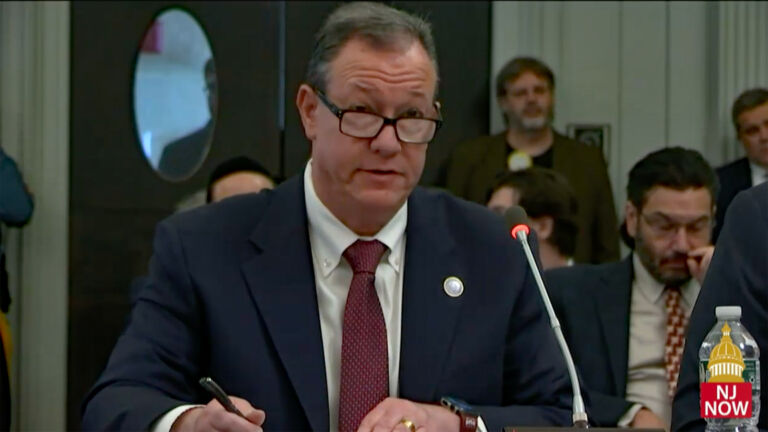
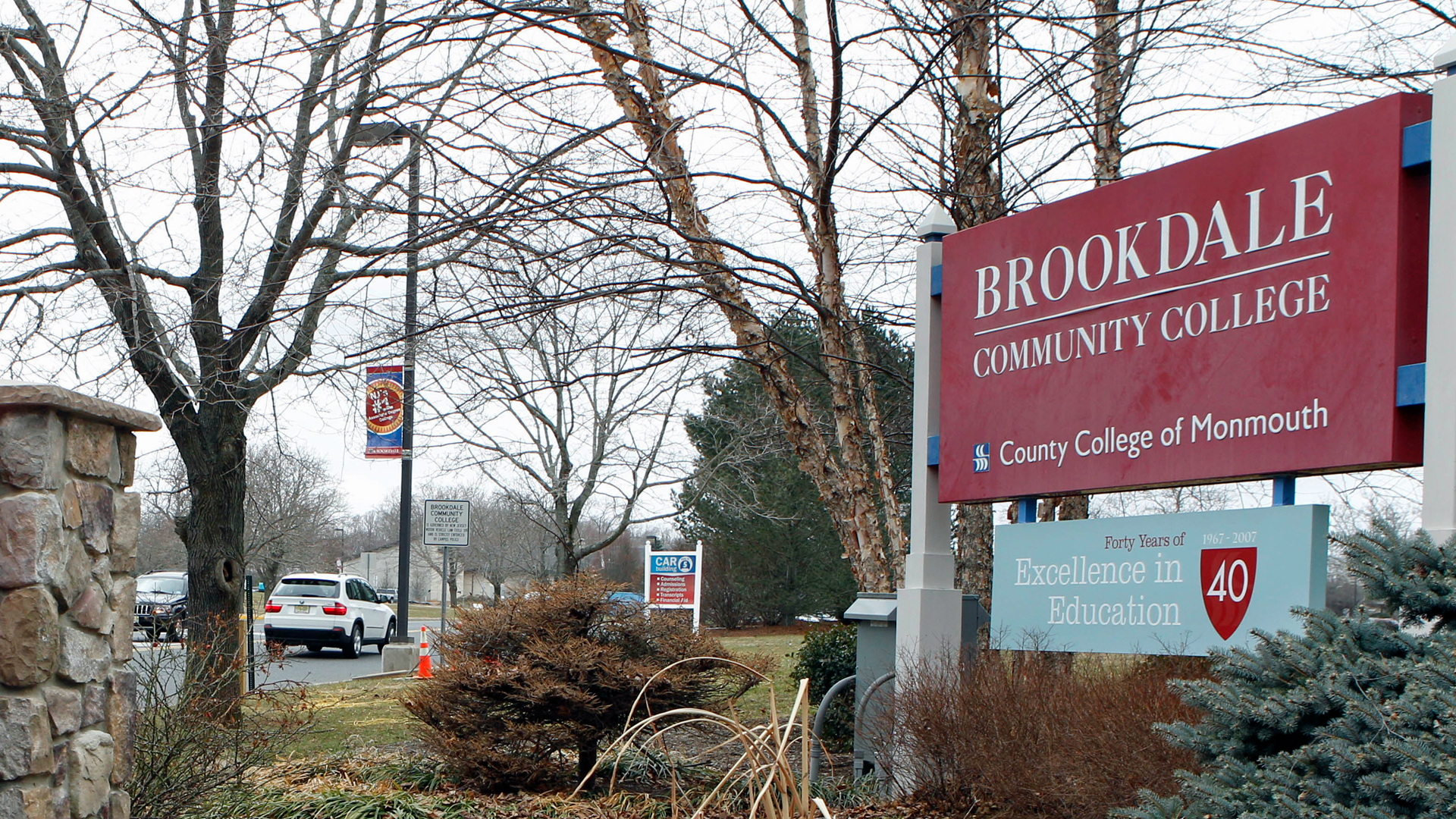
David Stout, president of Brookdale Community College, said students will be getting less than in the previous school year, even though the school will do its best to minimize the impact of level funding. The impact on faculty will be greater, he said, as class sizes are expected to increase slightly.
The Monmouth County school has already eliminated $1.4 million in spending for the upcoming fiscal year by consolidating or eliminating vacant positions, cutting back on discretionary expenses, such as professional development, and delaying new initiatives, including a peer mentoring program.
Brookdale will not need to reduce academic advisory services, which would have been likely under the proposed cut, Stout said. The college will also rely more on outside agencies to provide mental health services to students, rather than leaning on full-time counselors.
UCNJ Union College of Union County, NJ will keep tuition steady for the upcoming school year and expand some services available to students, with a focus on post-graduation success.
“Beyond getting students access to college, we need to make sure that once they get here, they’re able to earn a degree and get a job that they’ll be able to support their families with,” said Margaret McMenamin, UCNJ president.
‘It is a victory to get the $20 million restored. We think there is a case to be made for increasing investment in community colleges beyond that.’ — Maria Heidkamp, New Jersey Council of County Colleges
This means expanding the career services center to help current students and graduates find jobs with family-sustaining wages. Beginning in the fall, the college also plans to open a transfer transition center to help ensure students who graduate and enter a four-year college continue to succeed. McMenamin’s school is working with transfer partners, such as Kean, Montclair State and Rutgers universities.
Anthony Iacono, the president of County College of Morris, said level funding will allow things to go forward as planned, including keeping tuition the same as the previous school year.
“When you’re talking about flat funding, you are going behind because bills go up,” Iacono said, noting that insurance premiums and utility rates increased substantially last year.
Bigger than the colleges
Iacono said the restored funding will not just benefit the students, but the entire state. Community college affordability means more students will go on to attend four-year institutions, keeping the entire higher education system strong, he said.
The funding will also benefit New Jersey’s economy, he added. County College of Morris provides 50% of the nurses and about 90% of radiography technicians and respiratory therapy assistants in the county, according to Iacono.
“The $20 million is good for our colleges, great for our students, but it’s also great for the future and the overall well-being of our state,” Iacono said.
Without the restored aid, funding for community colleges would have dropped below 2002 funding levels.
Heidkamp, of the New Jersey Council of County Colleges, said the role of community colleges in promoting equity and economic mobility warrants an even larger investment. The Council released its opportunity agenda in March, which outlines how community colleges are uniquely positioned to fill needs in the economy based on quality, affordability and innovation.
Colleges are already taking steps toward acting on that agenda and looking to partner with lawmakers, four-year colleges and business associations, Heidkamp said.
“We want to use the opportunity agenda to demonstrate that the community colleges are worthy of state investment, that they contribute to equity and economic prosperity,” Heidkamp said. “We’re going to forge ahead with as much as we can, but if we’re serious about addressing those priorities that is going to take state support.”
Looking ahead
Stout of Brookdale Community College said he hopes the state increases funding for community colleges in the future to keep the cost of attendance as low as possible. He said it’s important the colleges show their value to state legislators to encourage greater support.
The county colleges had initially requested a $20 million increase in funding from fiscal year 2024 before learning of the proposed $20 million cut. Iacono of County College of Morris said an additional $20 million toward workforce development would generate massive financial benefit to the state. He said his college has a $484 million annual impact on the local economy.
New Jersey’s community colleges receive less than those in most other states in per capita funding, according to discussion points shared during budget hearings. During the previous fiscal year, New Jersey ranked 46th of the 47 states with community colleges, based on state support for full-time students.
Without the restored aid, funding for community colleges would have dropped below 2002 funding levels.
Under the New Jersey Constitution, state government is required to pass a balanced budget every year. The budget must be adopted by the governor and lawmakers by July 1, which is the start of the state’s July-to-June fiscal year.
However, some states operate under biennial spending plans that feature two-year appropriations. That’s something advocates say promotes more long-range, strategic planning, and longer-term budgeting that can also bring more stability to agencies and other groups that regularly receive state funding.
Community college budgets must be approved by their counties in February, which means decisions about tuition and services need to be made long before the colleges know how much support they will get from the state.