Credit: NJ Spotlight News
In 2020, Gov. Phil Murphy signed into law a bill requiring local school districts to report data about their “gifted-and-talented” programs. Now, the first data is in, and it shows wide gaps along racial and ethnic lines.
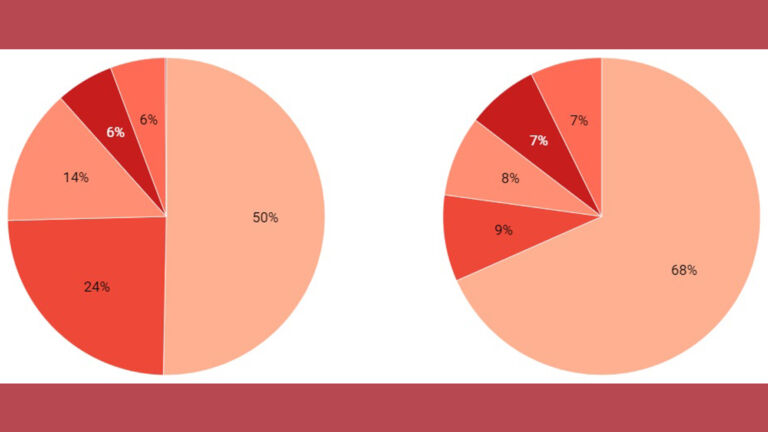
For instance, Black and Hispanic students are underrepresented in such programs across the state, according to data collected in fall 2022 and released last week. Multilingual learners, students with disabilities and economically disadvantaged students were also underrepresented, according to the data presented to the State Board of Education.
“I’m deeply concerned about these numbers,” said board member Arcelio Aponte. “I sincerely believe that we do have talented Black and Hispanic kids who should be filling these spots.”
In New Jersey and nationwide, gifted programs have long drawn debate over how equitably they are provided. Gifted and talented students are defined as students with high levels of ability in one or more content areas compared to their peers.
Under New Jersey law, these students are to be provided additional services to meet their unique educational needs, and that requirement has resulted in a variety of models, from different classroom materials to instruction that pulls certain students out of the classroom.
Data raises questions
The latest data backs up at least questions about the equity and fairness of gifted-and-talented programs. For example, Black students make up 14.4% of all students in New Jersey, but only 8.7% of students participating in gifted programs in the state. Hispanic students represent 32.5% of all students yet only 23% of students in gifted-and-talented programs.
The gaps are evident with other groups, too. Multilingual learners comprise 8.9% of all students yet just 1.7% in gifted programs. Students with disabilities make up 16.7% of the student population but just 4% of these determined to be gifted. And economically disadvantaged students comprise 35.8% of all students yet only 24.7% in gifted programs.
State Department of Education officials shared the data and next steps at the request of the State Board of Education at its meeting on Aug. 2. Board members agreed there is work to be done to increase access to the programs.
Aponte, who was among those on the State Board who pressed for the data, said there should be more aggressive outreach to target underrepresented communities. “Part of the problems I see is that many folks are not aware of the availability of the gifted and talented program,” he said.
Jorden Schiff, assistant commissioner at the Department of Education, said the department has already taken steps to remove barriers to gifted and talented programs, such as working with stakeholders to develop guidance and resources.
What can be done?
Next steps include reexamining data collection measures to allow for quicker interpretation of the data, asking local school districts to reconsider and expand the measures they use to identify a child’s giftedness, and ensuring information about gifted and talented programs is highly visible online, Schiff said.
Signed by Murphy in 2020, the Strengthening Gifted and Talented Education Act specifically laid out the responsibilities of school districts, charter schools and renaissance schools to educate gifted and talented students and report data about their programs.
Under the law, local districts are required to use multiple measures to identify students for the programs. The identification process must also include all students, including multilingual learners and students who qualify for special education services.
— Graphics by Colleen O’Dea