
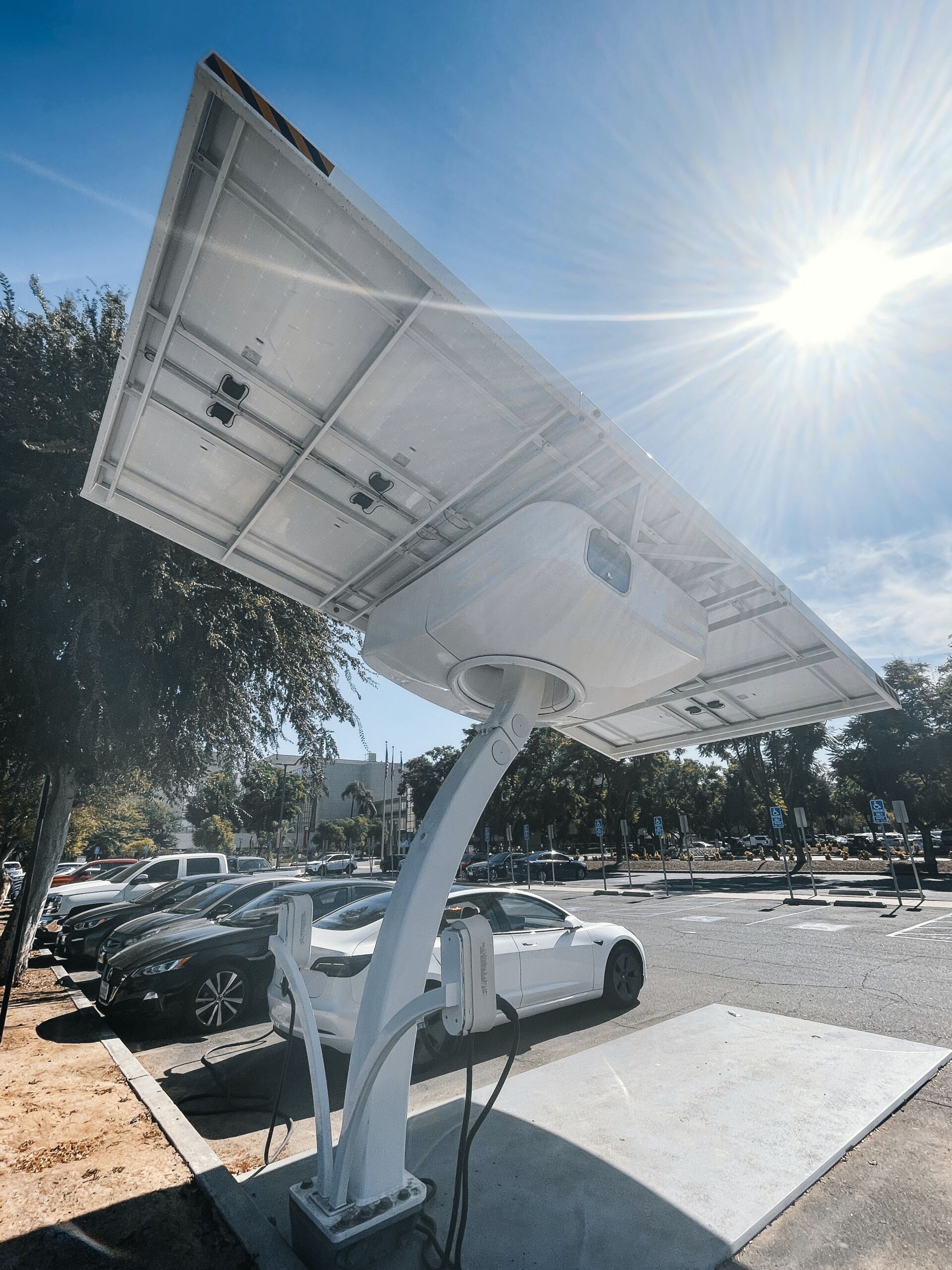
 Credit: Kindel Media via Pexels
New Jersey is ramping up the pace of its transition to zero-emission vehicles, writing regulations to phase out the sale of gasoline-powered light-duty vehicles by 2035. At that time, new vehicles for sale would include battery electric vehicles (EVs), plug-in hybrid electric vehicles (PHEVs) and fuel-cell electric vehicles (FCEVs).
Will I still be able to drive a gasoline car?
Yes. New Jersey is only requiring all new cars sold in the state after 2035 be zero emission. Gas-powered vehicles can still be driven in New Jersey. Used cars that run on gasoline can still be purchased by consumers.
Are drivers and/or dealers impacted?
The program does not impose any obligation on consumers or car dealers, according to the Murphy administration. It requires auto manufacturers to make zero-emission vehicles an increasing percentage of their light-duty vehicle sales, ramping up to 100% by 2035.
Why is New Jersey taking this step?
The move to EVs is viewed as one of the most significant steps the state can take to fight climate change. The transportation sector accounts for roughly 42% of all greenhouse-gas emissions in New Jersey, making it the state’s biggest single producer of chemicals contributing to global warming. Zero-emission vehicles will lead to an overall improvement in air quality, particularly in urban areas.
Is the goal achievable?
Climate advocates say “yes,” but it is going to be a heavy lift. Only approximately 9% of all vehicles on the road in New Jersey are zero-emission, or somewhat more than 100,000 vehicles. Manufacturers are continuing to roll out new models of electric vehicles each year. In just a few years, more than 140 options are expected to be available in every price range, according to the New Jersey Coalition of Automotive Retailers.
Will electric vehicles cost more?
Currently, zero-emission vehicles cost more than new cars with internal combustion engines. But electricity is cheaper than gasoline and motorists will save on maintenance. New Jersey also offers rebates to convince consumers to purchase electric vehicles, as well as incentives to put electric chargers in homes and businesses. Another possible cost to consumers would come from the installation of home charging stations and possible wiring upgrades to accommodate them.
Will recharging EVs overwhelm the grid?
The existing power grid will need major upgrades to meet the demands imposed by the Murphy administration’s plans to electrify both the transportation and the building sectors. What those costs will entail has not been nailed down yet. How they will be allocated is also unknown at this time.
