
 Credit: (Romain Vignus via Unsplash)
Amid the latest rush to enact an annual budget, lawmakers found time to send Gov. Phil Murphy legislation that would require a more “user-friendly” version of a key state financial report be drafted and published each year.
Sponsors of the bipartisan bill that easily cleared the Legislature late last week say their goal is to improve the public’s understanding of the state’s broader financial health, beyond the scope of just one fiscal year.
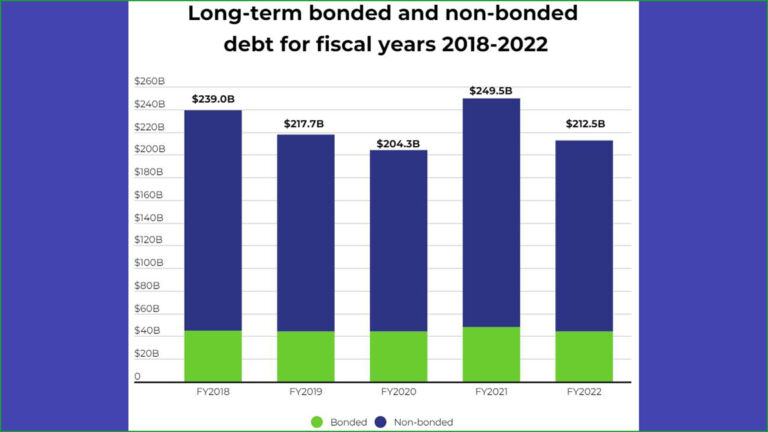
A billion here, a billion there — the state whittles down what it owes
Among other items, the report would be required to highlight the latest developments on topics such as revenue collections, budget reserves and long-term liabilities, including bonded debt and public-worker pension obligations — all in plain and easy-to-read language.
Under the bill, the state auditor would also be required to appear annually before lawmakers in Trenton to go over the results of the latest annual report, which is officially known as the Annual Comprehensive Financial Report, or ACFR.
Tossing transparency out
Lawmakers largely sacrificed public transparency during the final stages of this year’s budget-approval process, including not making copies of the annual spending bill available to the public before final committee votes were held inside the State House last week.
Now a top state accountants’ organization and other business groups are urging Murphy to sign the bipartisan measure sitting on his desk, suggesting the drafting of an easy-to-read annual report on state finances is one way New Jersey could improve its overall fiscal transparency.
“We believe this legislation will play a critically important role in educating everyone on the state’s complete financial state, which will bring more transparency and provide for better policymaking,” said Aiysha Johnson, executive director and chief executive officer of the New Jersey Society of Certified Public Accountants.

By law, key information about New Jersey’s overall fiscal condition is disclosed annually by the Office of the State Auditor. But the annual report is considered by many to be difficult to decipher, including for many lawmakers serving in Trenton. Its release is also routinely overlooked or ignored, even though the report itself keeps tabs on assets and liabilities totaling billions of dollars.
For example, when the latest annual report was released earlier this year, it documented some of the progress New Jersey has made in recent years in the category of bonded indebtedness after Murphy and lawmakers set aside funding to retire high-interest debt issues.
‘By adding more transparency to the process, it will be good for everyone involved.’ — Christopher Emigholz, New Jersey Business & Industry Association
The same report also reflected improvement in the category of nonbonded debt, which includes long-term obligations to retired public workers, including pension benefits. That comes after Murphy and lawmakers have made funding full employer pension contributions a key priority in recent fiscal-year budgets.
Still, the release of the state’s latest annual report drew little public attention or media coverage this year.
Under the legislation that cleared both the Assembly and Senate last week, an analysis of the annual report would have to be drafted each year in a user-friendly format by the Office of the State Auditor, which operates within the nonpartisan Office of Legislative Services.
Packed with data
The report would have to, among other things, summarize five years’ worth of revenue collections and projections; detail long-term obligations, such as bonded debt and retiree pension and health care liabilities; and compare New Jersey’s current financial condition to the condition of other states in the region.
Such information should be “readily accessible to the public,” said Senate Budget and Appropriations Committee Chair Paul Sarlo (D-Bergen).

Easy-to-read analysis would make sure residents, lawmakers have clear understanding of NJ’s economic strengths and weaknesses
Once drafted, a copy of the user-friendly report would have to be posted online, according to the legislation. The state auditor would also be required to appear annually before the budget committees in both the Assembly and Senate on or before May 31 to present the latest report.
Johnson, the leader of the state accountants’ organization, said the annual report includes “important items not covered by the annual budget, such as billions of dollars in unfunded liabilities, billions in spending and debt and financial information on the state’s independent authorities.”
But she added, “The ACFR is so long — over 400 pages — and filled with technical accounting jargon, making it difficult for a layperson to follow.”
“Many people, including lawmakers and the media, do not even know that it exists,” Johnson said.
Requiring a plain-language annual report to be released publicly could also make for a better overall budget-approval process, said Christopher Emigholz, chief government affairs officer for the New Jersey Business & Industry Association.
“Our businesses and taxpayers see New Jersey as being an outlier because of what it does on the debt side or on the spending side or on the revenue side,” Emigholz said.
“By adding more transparency to the process, it will be good for everyone involved,” he said.
