 Credit: watts_photo via Creative Commons (CC PDM 1.0)
A state law requiring large companies in New Jersey to pay their workers severance during mass layoffs will soon go into effect, after a lengthy pause due to the COVID-19 pandemic.
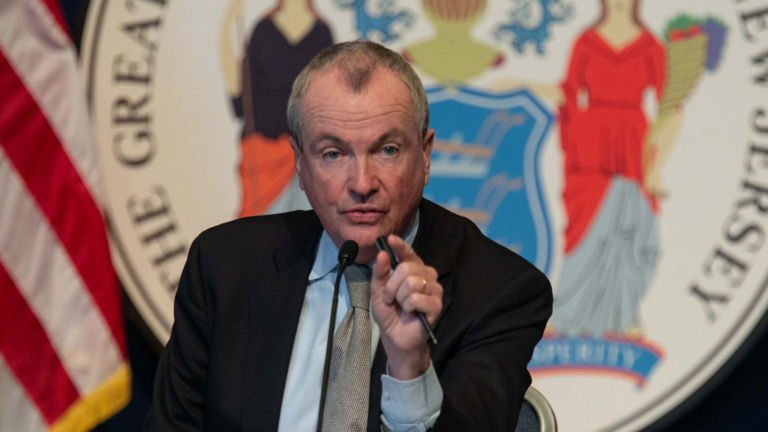
In a matter of months, companies will have to adhere to mandatory severance-pay requirements, upgraded layoff-notice rules and other related provisions of a law that was first enacted by Gov. Phil Murphy in 2020, but then put on hold.
A new measure endorsed earlier this week by Murphy resets the effective date of the original law to 90 days from Jan. 10.
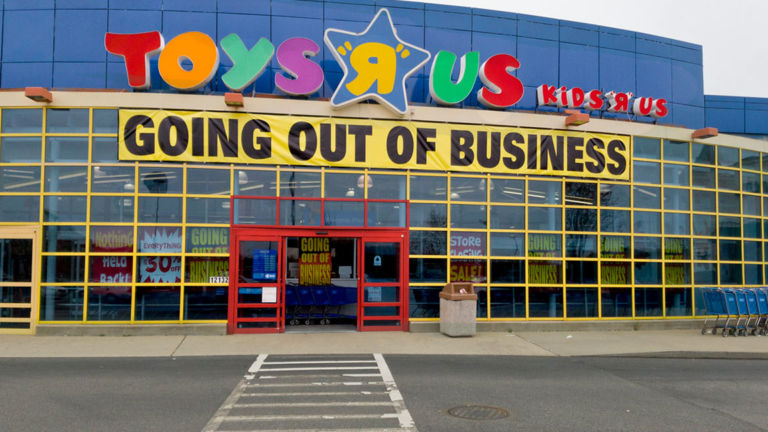
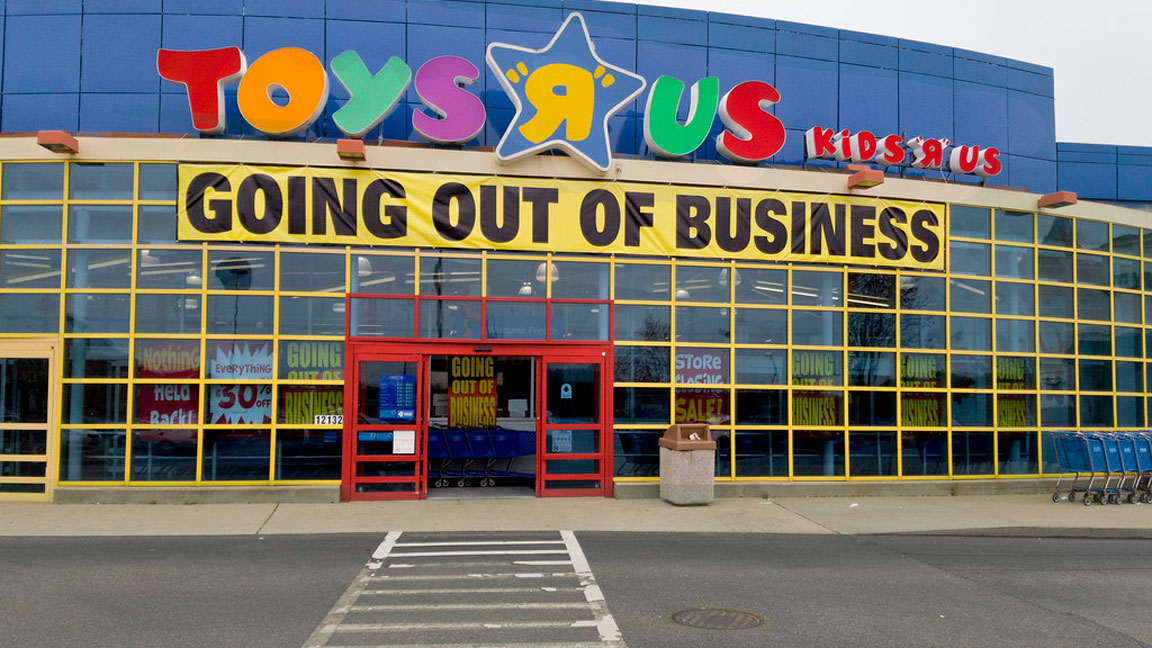
The new severance-pay mandate — which includes the requirement that companies with 100 or more employees pay severance whenever a mass layoff includes 50 or more employees — was originally drafted by state lawmakers in 2018, as a response to mass closures that had hit the Wayne-based Toys ‘R’ Us retail chain.
But the law could take on more importance this year as many economists have been raising concerns about the potential for recession in the wake of the Federal Reserve’s attempts to slow inflation by raising interest rates.
Fear of layoffs
While the latest unemployment figures suggest the jobs market is still strong both nationally and in New Jersey, some big companies, including those in the tech and finance industries, have announced hefty layoffs in recent weeks.
“With growing fears of additional mass layoffs, especially within the tech industry, this law is more crucial now more than ever to ensure that workers are given the adequate notice and support,” said Sen. Fred Madden (D-Gloucester).
‘Companies and hedge fund managers have been exploiting bankruptcy laws to protect their profits while workers lose their jobs, their paychecks and severance pay. The workers were left in the dark and cheated out of deserved compensation while the companies were pillaged for their resources.’ — Sen. Joe Cryan (D-Union), a primary sponsor of the bill
New Jersey was hit hard during the early months of the pandemic and suffered high rates of infections and deaths in 2020. The health crisis also set off an economic downturn in the wake of business restrictions and, in some cases, closures that were ordered as part of efforts to slow the rate of new infections.
At the time, the looming effective date of New Jersey’s severance-pay law — which had been billed by legislative sponsors as the first of its kind in the nation — became a major concern for business leaders as the pandemic unfolded and led to major job losses. In response, the effective date was put on hold by Murphy.
But as vaccines and treatments became more widely available, lawmakers last year sought to reinstate the requirements mandated in the original law. Last month, they sent Murphy legislation that called for the original law’s mandates to go into effect within 90 days of his endorsement of the new measure.
What’s in the law?
In addition to requiring companies with more than 100 employees to pay severance when a mass layoff impacts 50 or more employees, the law will also require that severance pay be equal to one week’s compensation for every year of service with the company.
The law also extends the notice companies must give workers prior to a mass layoff, from 60 to 90 days. In 2007, the Worker Adjustment and Retraining Notification Act, or WARN Act, created the 60-day requirement, and the new law rewrites those provisions of the act.
More than 1,000 workers lost their jobs in New Jersey, with little to no severance provided, after the mass closure of Toys ‘R’ Us stores throughout the state as the retailer tumbled into bankruptcy in 2018.
Worker advocates praised the proposal for beefing up protections as the original mass-layoff measure made its way through both houses of the Democratic-controlled Legislature in 2019. They also pressed the State Investment Council to act after finding that the New Jersey public-worker pension fund owned a stake in a hedge fund that had ties to the Toys ‘R’ Us liquidation.

But business groups had opposed the measure and warned it could bring unintended consequences, such as discouraging companies from growing their enterprises so as to stay below the 100-employee threshold. They also suggested it would make New Jersey a national outlier.
In more recent weeks, the worker advocates renewed their support as the measure seeking to establish a new effective date for the original law moved through both houses of the Legislature.
After Murphy’s latest action, Sen. Joe Cryan (D-Union), a primary sponsor of the bill, said “now is time to put these worker protections into place.”
“Companies and hedge fund managers have been exploiting bankruptcy laws to protect their profits while workers lose their jobs, their paychecks and severance pay,” Cryan said. “The workers were left in the dark and cheated out of deserved compensation while the companies were pillaged for their resources.”
“The law will help protect the rights of the workers from these abuses,” he said.