Credit: (Green Energy Futures/CC BY-NC-SA 2.0)
New Jersey still plans to adopt new rules to reduce global warming caused by pollution from power plants but has backed off from a highly contentious provision to require thousands of schools and apartment buildings to eventually replace their heating systems with electric boilers.
The decision marks a significant setback for the Murphy administration’s first major initiative to electrify the building sector, the second-largest source of greenhouse gas emissions in New Jersey. The revised rule is expected to be formally adopted next month.
The withdrawal of the boiler provision by the state Department of Environmental Protection is a victory for business groups, builders and unions who banded together to fight the mandate, which they described as too costly. The rule would cost schools, municipalities and businesses up to $2 million each, critics said.
But clean-energy advocates said the reversal jeopardizes the state’s ambitious goals to reduce carbon pollution by 80% below levels in 2006 by 2050, the so-called 80-by-50 target. “You can’t electrify the building sector by extending the life of fossil fuel boilers,’’ said Doug O’Malley, director of Environment New Jersey. “DEP needs to come back to this issue.’’
More talks?
In a statement, the agency said it would resume discussions with stakeholders as part a second round of talks on how to reduce climate pollution by curbing ‘’greenhouse gas emission at a reasonable cost.’’
Eric DeGesero, executive director of the Fuel Merchants Association of New Jersey, said it is good news the department killed what he described as a terrible and expensive regulation, but doubts that Murphy has abandoned his electrification goals. “It’s better than the alternative, but it is not over by a long shot,’’ DeGesero said.
The boiler provision would have required all new boilers in most commercial and public buildings to be electric starting in 2025. Up to 8,000 buildings would have been impacted by the rule, including, 1,500 apartment buildings, 1,500 public schools, and 1,200 commercial, industrial and manufacturing facilities.
Business group praised the administration and DEP for reconsidering the rule. “They are beginning to understand the complexities and cost implications of building electrification,’’ said Raymond Cantor, deputy chief government affairs officer for the New Jersey Business & Industry Association.
Business resistance
Cantor and other business lobbyists called on the Legislature to take up a bill (S-2671) that would halt all building-related electrification mandates until a full analysis of the cost can be developed. That bill, which got out of a committee last term, was drafted in response to an administration goal to switch natural gas heating of homes to electric heat pumps. More than 75% of New Jersey homeowners rely on natural gas to heat their homes.
In its rule, the DEP noted that electricity demand is expected to double over the next few decades, in part due to the administration’s goal to electrify both the building and transportation sectors. As a result, the transition to 100% clean energy will require natural gas power plants to maintain the reliability of the electric grid in the interim, according to the agency.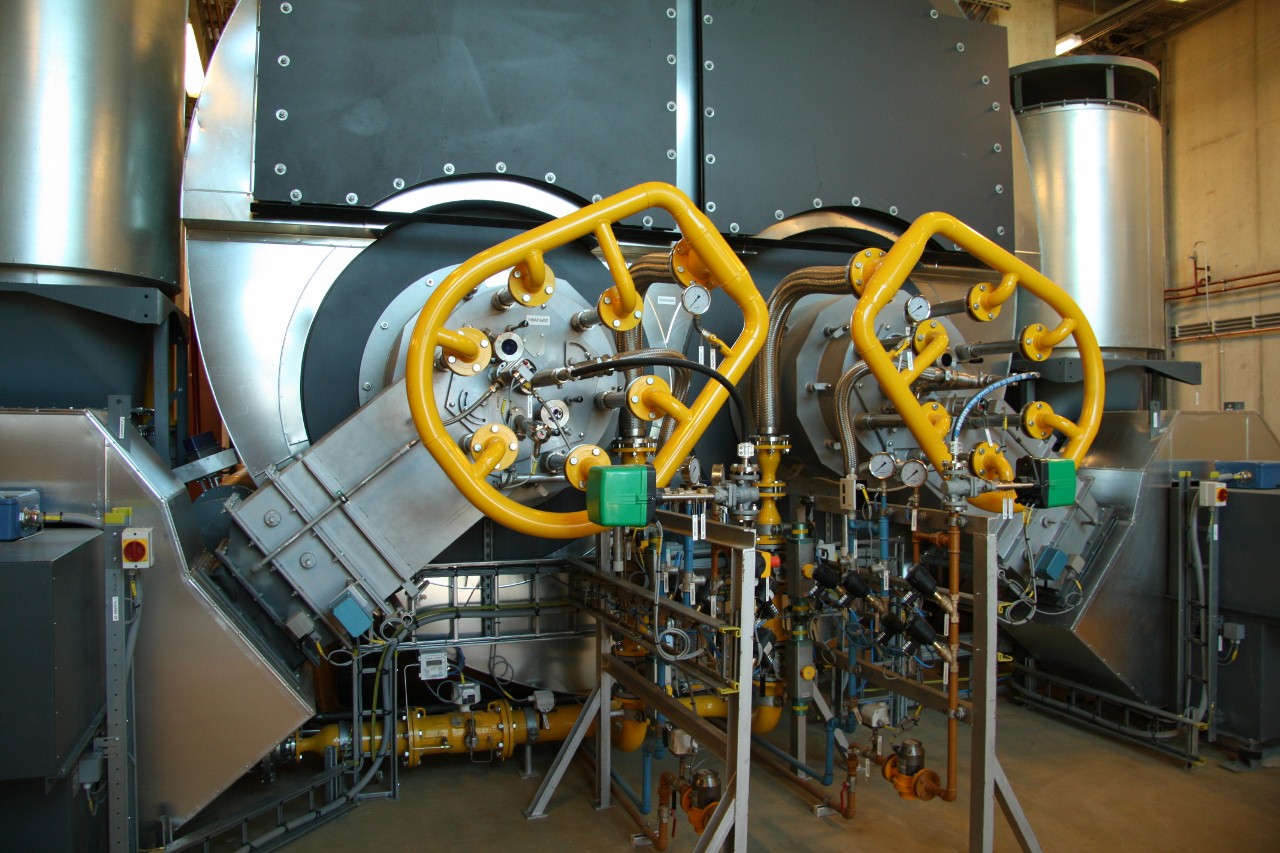
“The provisions will reduce in a measured, purposeful manner to maintain grid reliability and avoid leakage,’’ the staff said in response to criticism the agency was moving too slowly to phase out fossil fuels and reduce emissions. Leakage is caused when cleaner-running power plants in New Jersey are replaced by out-of-state generation with greater emissions.
The rule retains tougher regulations for approximately 94 power plants using fossil fuels, as well as the phaseout of two types of fuel that contribute high emissions of carbon dioxide. Neither is used much in New Jersey anymore.
The DEP maintained the main purpose of the original rulemaking was to regulate New Jersey’s electric generating units using fossil fuels. But O’Malley and others argued the provisions dealing with fossil fuel-burning boilers was a major part of the overall rule.