
 Credit: (Karen Yi/Gothamist)
When the remnants of Hurricane Ida struck in September 2021, the Federal Emergency Management Agency distributed short-term housing aid to 19,500 displaced residents in New Jersey and New York — enough to pay up to two months of rent.
But Gothamist found fewer than 300 — about 1.5% — of those New Jersey and New York residents received the additional rental assistance FEMA offered, meant to help disaster victims for as much as 18 months after the storm. The agency said it doesn’t know how many people applied for continued aid, but advocates said most homeowners they heard from were never told the extra assistance was available in the first place.
Some residents said they were forced to take on debt or stay in uninhabitable homes more than a year after the storm. Lawmakers and victim advocates in New Jersey said it’s unacceptable that such a small proportion of residents received extended rental help, and are calling on FEMA to explain why.
“I find it deeply troubling that many families have struggled to receive the federal assistance they need from a program that was designed for them,” U.S. Rep. Frank Pallone said in a statement to Gothamist. “Many households received emergency rental assistance that supported them for the initial two-month period after the storm, but I am concerned that families are not getting the support they need one year later.”
Some survivors of the storm said without the extra aid, they couldn’t afford to pay rent while also paying mortgages on their damaged homes during repairs. Some are facing foreclosure; others used credit cards to cover their expenses and eventually moved back into their properties before repairs were complete.
‘Left behind and forgotten’
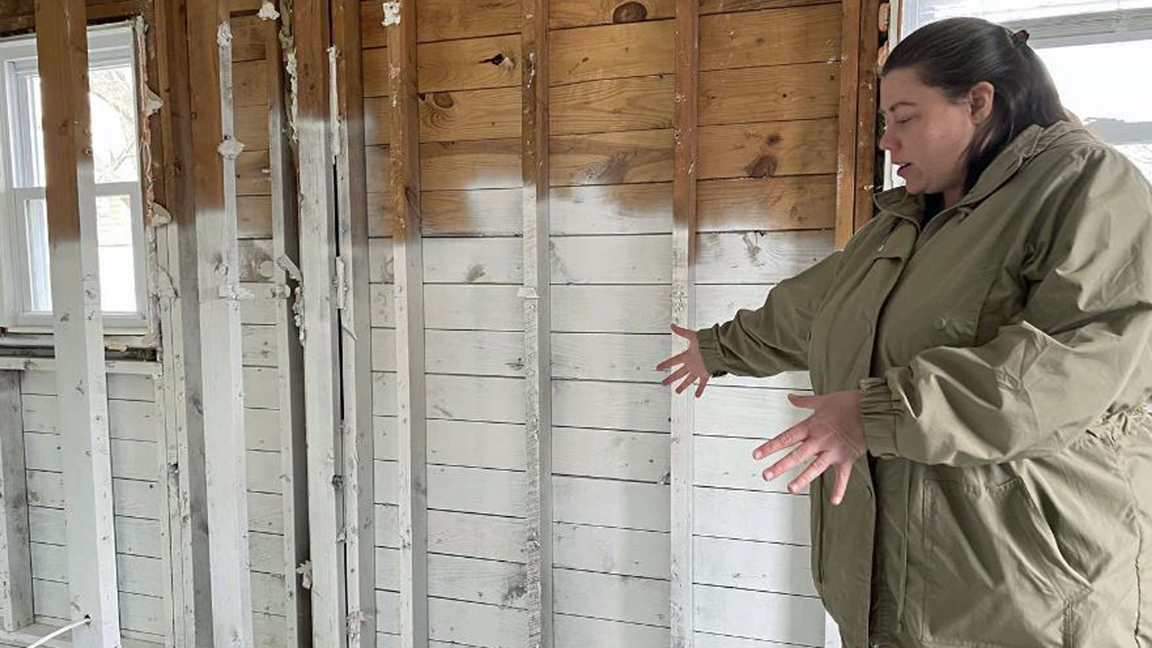
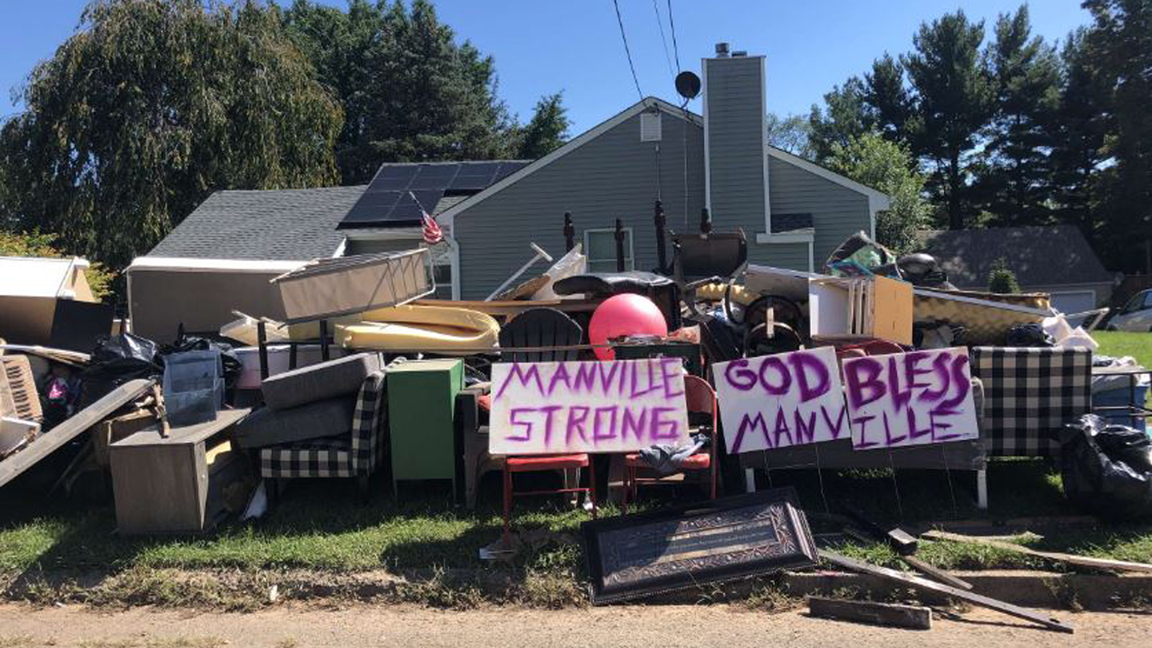
“We all feel left behind and forgotten,” said Maryann Morris, 43, whose ranch-style home in Manville, New Jersey, was inundated during Ida. Morris said she applied for extended rental assistance but was denied after FEMA told her the supporting documentation she uploaded was too blurry.
Morris said she spent $26,000 to rent an apartment for a year but couldn’t afford to keep paying, so she moved back into her house, where she still doesn’t have a kitchen and can’t cook for her 8-year-old daughter.
“You’re mourning memories, the loss of family heirlooms. You’re mourning the loss of things that happened that were happy and good at your home,” she said. “You add that and compound it with the frustration of the government being unable to actually give you answers, it makes it all worse.”
FEMA said it allocated $41 million in initial rental assistance to 10,700 New Jersey applicants and another $2.3 million for continued assistance to 172 applicants in the state. In New York, 8,800 applicants received initial assistance and 124 were approved for continued assistance, the agency said.
‘It’s not that people were denied. They didn’t even have the chance to get denied or approved.’ — Meghan Mertyris, New Jersey Organizing Project
Spokesperson Don Caetano said in an email the small number of applicants who received additional rental aid could be due to several reasons, such as “applicants no longer needing rental assistance or that applicants were able to move back into their pre-disaster housing.”
 Credit: (Karen Yi/Gothamist)
According to FEMA, anyone who received the initial assistance, but whose primary home was still uninhabitable, who wasn’t receiving other aid for housing and who couldn’t afford housing without help would have been eligible for additional aid. Caetano said applicants who have property damage worth more than the initial rental money they received were sent applications to request additional help with future rent payments.
Lack of information
But advocates with the New Jersey Organizing Project said they don’t know of any cases where that happened.
Meghan Mertyris, the Hurricane Ida recovery organizer at the project, said most of the survivors she works with still need help. She said many didn’t know where to apply or that the extra funds existed. And when they tried calling the FEMA hotline for help, they’d wait hours with no answer.
“After people got their first lump sum from FEMA, they should have been offered an application to apply to this extended rental money. And nobody we know of was given the application,” she said. “It’s not that people were denied. They didn’t even have the chance to get denied or approved.”
FEMA also said additional staff were brought on to alleviate long waits on its hotlines, which were inundated following the hurricanes in Puerto Rico and Florida in 2021, the same year as Ida.
Those who applied for initial aid also have until March 2023 to request continued rental assistance.
