
 Credit: (Mike Mozart via Flickr)
As another holiday season shifts into high gear, consumer watchdogs are urging both retailers and the public to be on the lookout for gift card scams that can ruin the holidays for victims.
These scams are often conducted over the phone or online, targeting senior citizens and others who may easily fall prey to what appears to be an urgent call for help from a friend or relative in need of money.
Scammers don’t have to receive the gift cards to pull off the fraud. Instead, they often seek to convince victims to buy a gift card or cards and share codes and identification numbers, or PINs, that transfer — and use up — their monetary value.
In New Jersey, a law was enacted earlier this year that requires stores that display gift cards for sale train employees in how to detect and respond to scams.
Smart employee spots scam
The law was inspired by an incident that occurred in New Jersey several years ago, according to the law’s legislative sponsors. It involved the employee of a major pharmacy chain who recognized the signs of a gift card scam and was able to prevent an elderly shopper from providing key information to a scammer, potentially saving the shopper thousands of dollars.
State panel advances measure amid signs that seniors and people with disabilities are vulnerable
Those mounting losses only increase the need to raise awareness among both consumers and retailers, especially during the holidays, when prepaid gift cards are often purchased and exchanged as gifts.
“Scammers want you to pay with gift cards because they’re like cash: once you use a gift card, the money on it is gone,” the FTC said in a recent news release.
To avoid falling for a gift card scam, the FTC urges consumers to be wary of calls where someone suggests something terrible will happen to a friend or relative unless you act quickly. Scammers may also urge you to go to a specific store, like a CVS, Target or Walmart, to purchase gift cards.
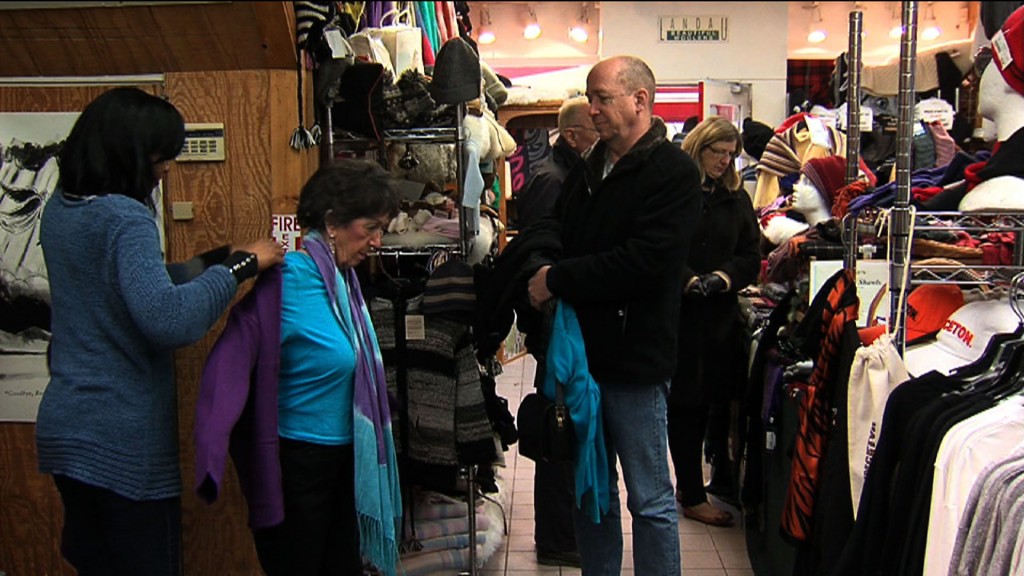
From there, the caller will typically ask for the gift card number and a “PIN” that unlocks any of the money that’s been loaded on the card.
“Don’t give them those numbers,” the FTC warns. “It’s a scam. You’ll lose your money, and you won’t be able to get it back.”
Earlier this year, the New Jersey Division of Consumer of Affairs issued a new consumer alert and guidelines for retailers so they can train employees to recognize signs that a consumer may be falling victim to gift card fraud.
Guide to spotting scams
“The best tool we have to fight gift card scammers is widespread awareness of how they operate and how to stop them in their tracks,” state Attorney General Matthew Platkin said in a news release issued along with the consumer alert.
According to the Division of Consumer Affairs, common forms of gift card scams include:
- Government agency scams — Someone claiming to be from a government agency demands payment in the form of gift cards to avoid arrest, receive assistance, or pay a fine to stop your Social Security number from being frozen.
- Utility scams — Utility company imposters claim service will be cut off if payment is not received right away.
- Refund scams — A caller offers a refund, credits money in excess of the refund, and asks to receive the additional money in gift cards.
- Grandparent scams — Someone pretends to call on behalf of a relative or friend in distress and asks for money to assist them.
- Freebies and sweepstakes scams — A gift card is required to pay a processing fee to receive a prize of free merchandise.
Tips for preventing scams
Some of the tips for consumers who want to prevent becoming the victim of a gift card scam, according to the division, include:
- Never use a gift card to make a payment or to transfer money. Government agencies and legitimate businesses will never ask you to pay with gift cards.
- Avoid sharing gift card information — including via phone, text, email, or photo — to pay bills or fees or to fix any other problem.
- Verify that urgent requests or emergencies that involve family, friends or co-workers are real by calling the person directly to confirm they need your help.
- Hang up on any caller who tells you to lie to a store clerk about why you are purchasing gift cards.
- Check the packaging and the back of the gift card before purchasing to make sure it has not been compromised.
- Keep the receipt or the gift card ID number to file a report if you lose the gift card or suspect fraud.
Victims can report gift card fraud to the FTC by visiting a dedicated website. Reports can also be filed with the Division of Consumer Affairs by phone at 1-800-242-5846 or online.

Scammers are trying to take advantage of the current crisis; one scam involves trying to steal IRS payments to individuals of federal stimulus money
