Credit: (Taylor Jung/NJ Spotlight News)
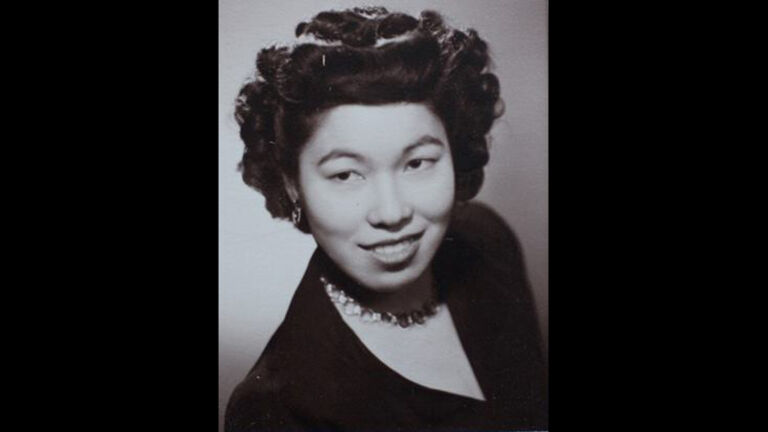
Reparations are not a novel concept in America. The United States gave them to Japanese Americans as an apology for incarcerating them during World War II, and to the Klamath of Oregon, the Sioux of South Dakota, the Seminoles of Florida, the Chippewas of Wisconsin and the Ottowas of Michigan for forcibly removing them from their land.
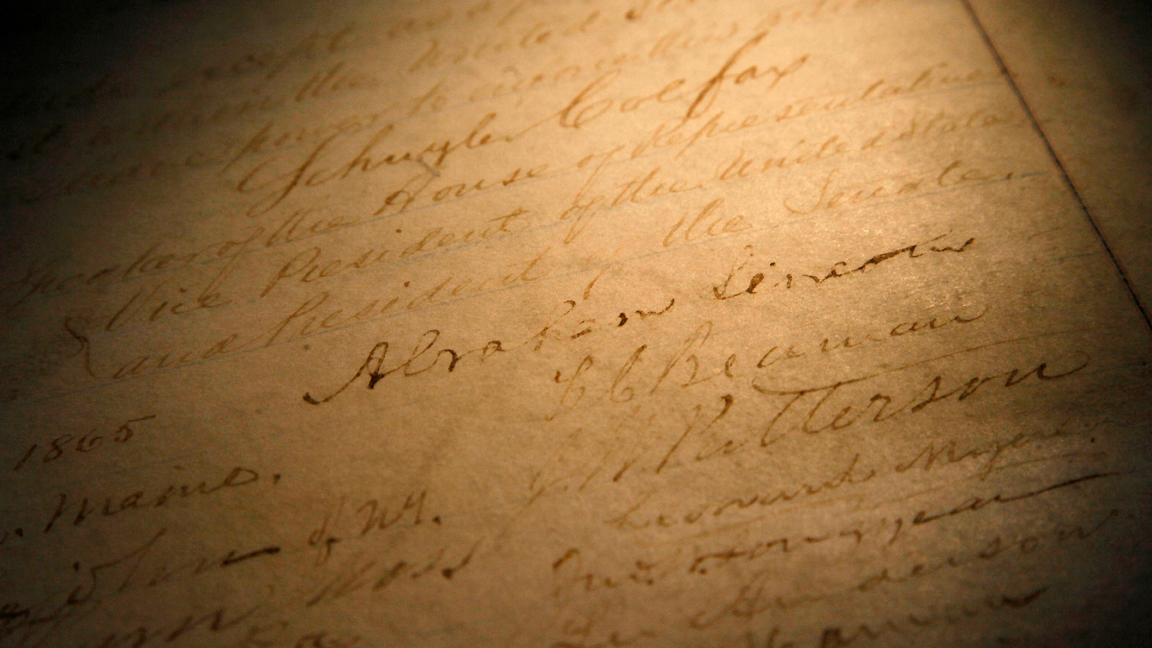
And while formerly enslaved African Americans were promised “forty acres and a mule” in 1865, those reparations have never been realized; descendants of the enslaved have been fighting for some sort of reparation ever since slavery ended.
In New Jersey, the push for reparations continues. Lawmakers and social justice advocates since 2019 have urged the state to create a reparations task force to consider the socioeconomic impact of slavery. In response, Gov. Phil Murphy created a Wealth Disparity Task Force in 2021, which will examine the racial wealth gap among Black and Latino residents and provide recommendations to ameliorate it.
Advocates like Ryan Haygood, president and CEO of the New Jersey Institute for Social Justice, say that the Wealth Disparity Task Force is not enough and that the state must research the vestiges of slavery and provide compensation to Black New Jerseyans. This focus is necessary, the advocates say, because they believe systemic racism caused by slavery is the very thing impeding reparations and the socioeconomic advancement of descendants of the enslaved.
“I think the wealth gap task force was created in response to the push for the reparations task force. It’s insufficient, to put it mildly,” Haygood said.
Murphy’s approach
Murphy, who is a vocal proponent of restorative justice for Black people, Indigenous people and people of color, created the Wealth Disparity Task Force after being pressured by social justice groups following 2020’s “racial reckoning.” The task force has met off and on since the end of last year. When asked by NJ Spotlight News for an update on its work, Murphy’s office said that work is “ongoing.” It added that Murphy is “committed to addressing the various causes and effects of wealth disparity in New Jersey.”
‘Although the wealth gap is part of the challenge, it’s a function of a broader system of structural racism, rooted in slavery.’ — Ryan Haygood, New Jersey Institute for Social Justice
“The Wealth Disparity Task Force is examining the causes of and remedies for the long-standing wealth disparities that affect Blacks and Hispanics/Latinos. The Task Force conducted a series of virtual listening sessions this summer to inform each of the five working groups. The work is ongoing and will continue into 2023 with public input,” said Tyler Jones, deputy press secretary for Murphy.
While that task force is taking a multidisciplinary approach, with members coming from “economy, housing, criminal justice, education and health” sectors, it appears to be looking at income disparities for all nonwhite New Jerseyans.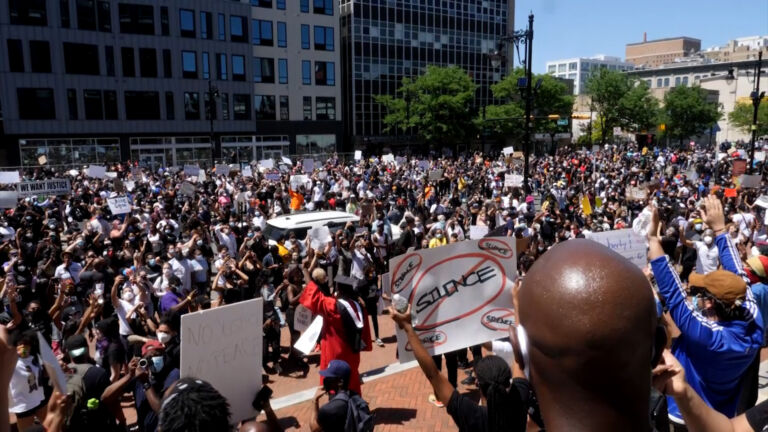
“Although the wealth gap is part of the challenge, it’s a function of a broader system of structural racism, rooted in slavery,” said Haygood.
Before the Wealth Disparity Task Force was created, Haygood’s organization started a campaign called “Say the Word: Reparations,” to promote discussion of reparations and the Reparations Task Force bill (A-938/S-386). The bill was introduced in 2019 by former Sen. Ron Rice (D-Essex), Assemblywoman Shavonda Sumter (D-Passaic) and the New Jersey Legislative Black Caucus. It has been reintroduced twice more since then but hasn’t moved because other legislators won’t bite.
What’s in a name?
Haygood and Sumter told NJ Spotlight News their hope is a reparations task force will provide a comprehensive look at reparations, beyond just recommending a check to descendants of enslaved people. But making the connection between when slavery existed and today has proven to be a controversial task for many Black leaders across the country, Sumter and her colleagues included.
Perth Amboy was the first stop in America for countless slave ships. New Jersey was the last state in the North to legally abolish slavery.
Haygood said that the “Say the Word” campaign name was born out of a conversation with Assembly Speaker Craig Coughlin before June 2021 where Haygood explained how slavery has created systemic inequities for Black New Jerseyans — and he said Coughlin pushed back on the word “reparations.”
 Credit: (AP Photo/Charles Rex Arbogast, File)
“We lay all of this at Speaker Coughlin’s feet and he says, ‘…The word reparations — it unsettles people, it makes people uncomfortable,” Haygood recounted. “And we said imagine how uncomfortable it is to be on the other side of that racial inequality.” Haygood continued, “[Coughlin] said ‘I don’t deny it exists, but why don’t we call it a ‘Racial Equity Task Force,’ or a ‘Wealth Gap Task Force,’ which the governor ultimately creates. ‘Why don’t we just call it something else?’”
For Haygood, Sumter and other supporters, it would have been powerful to include “reparations” in the name of the task force. NJ Spotlight News reached out to Coughlin’s office for comment, but it has not responded.
Legacy of slavery
Coughlin’s conversation with Haygood demonstrates that making the connection between slavery and a case for reparations can be a challenge. About two-thirds of Americans disagree with the idea of cash reparations because Black descendants of enslaved people are not “deserving,” according to a University of Massachusetts Amherst study in 2021.
New Jersey’s ties to slavery are stronger than many realize. Perth Amboy was the first stop in America for countless slave ships, and New Jersey was the last state in the North to legally abolish slavery. Over 20,000 enslaved people were living in the state, according to an 1830 census, compared to 75 in New York and 403 in Pennsylvania.
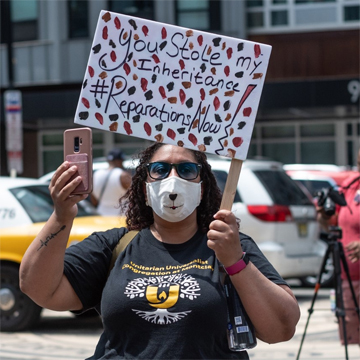 Credit: (Taylor Jung/NJ Spotlight News)
While Murphy’s executive order to create the Wealth Disparity Task Force does acknowledge slavery, Haygood said he feels as though it was mentioned in passing. And the question about whether the country or New Jersey should give reparations lies in whether slavery still impacts Black Americans today. Sociologists, historians, economists, legislators and others have said for decades that slavery built the structures of racism that persists.
Enslaved Africans and African Americans built this country — they built the White House, they sowed America’s wheat, they moved America’s economy — and experts argue that slavery constructed white supremacist notions against Black people.
After slavery in the late 1800s, there was sharecropping, or indentured farming. Then there was the Jim Crow era, which created legalized segregation, blocked access to schools and neighborhoods for Black Americans and introduced redlining, which barred them from buying homes in certain areas. Now there is the school-to-prison pipeline, health inequities and incarceration disparities between white and Black Americans.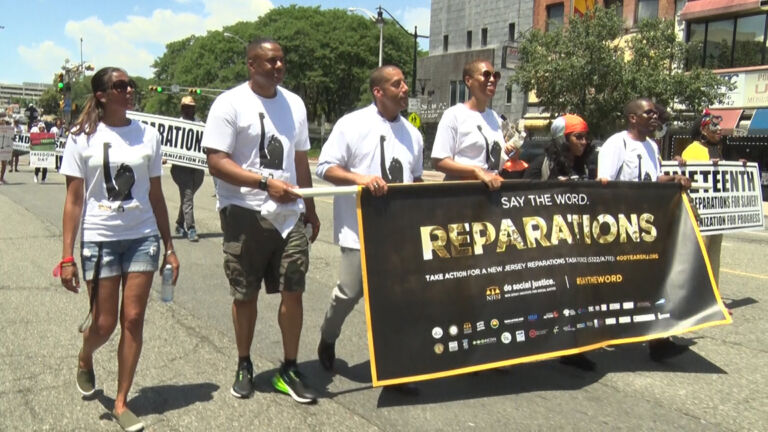
The effects of these realities can be seen in concrete numbers for New Jersey: The state’s schools are seen as segregated, racial disparities in incarceration are the worst in the nation and Black maternal and infant fatality rates are significantly high.
“New Jersey’s steeped in a lot of prejudices that are now qualified and quantified,” said Sumter, who chairs the Legislative Black Caucus.
Not just a matter of money
That’s why the wealth inequality is just a “piece of it,” Sumter said, although she added that she’s not complaining that the Wealth Disparity Task Force exists. But what Haygood, Sumter and others are looking for is not just cash — it’s simply to acknowledge and say the word, reparations.
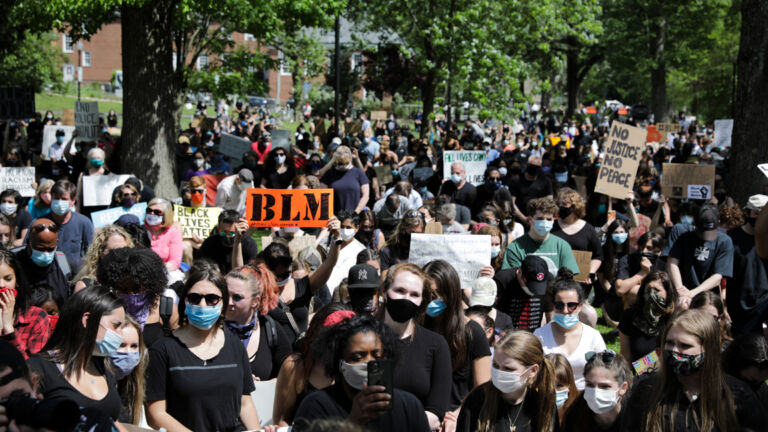
Discussion of structural racism and reparations was forced into the mainstream following the summer of 2020’s “racial reckoning.” The deaths of George Floyd, Breonna Taylor and Ahmaud Arbery ignited conversations about racism and white supremacy nationwide. White liberal millennials created book clubs to read anti-racist texts and learn about it all; companies’ human resource teams sought ways to increase diversity and review their own hand in perpetuating racism; governments and organizations created diversity, equity and inclusion departments and positions to promote anti-racism.
‘I am hopeful that I will get that support, because I have to be.’ — Assemblywoman Shavonda Sumter
In many ways, the Reparations Task Force bill is a litmus test: How far will New Jersey go with restorative justice?
“The conversation that’s happening in what folks have acknowledged is a racial reckoning — So here the challenge is, can we have that conversation, actually?” said Haygood. “We all live in the shadows, in the vestiges, of slavery. And us not being able to say the word ‘reparations’ doesn’t change that reality.”
Haygood said he believes that some “white allies” need to do more.
The patience of Sumter
“If Shavonda Sumter were the Assembly Speaker … it would move … If Sheila Oliver were the governor, not the lieutenant governor, she would call for it,” said Haygood, referring to the Reparations Task Force bill, since Oliver has supported his “Say the Word” campaign. “If Troy Singleton were the Senate president, the bill would move.”
As the country moves further each day from the summer of 2020, it’s unclear what the future of that bill will be. Sumter said that she must be optimistic as a public servant. California created a Reparations Task Force, which recommended in March that the state should provide reparations to Black residents. Boston may create its own group to consider reparations as well. Sumter said that, in her experience, legislation like this takes time.
 Credit: (AP Photo/Harry Harris)
“It is not a zero-sum game. A lot of legislation that has had significant, historic impact, has not happened in two years, three years. Body cams we worked on going back to Eric Garner, over 10 years ago. For voter rights restoration for persons on parole, that was a 20-year journey,” Sumter said. “So it’s not lost on me what it takes to educate and build support around a bill or an issue to make the structural and systemic change that we are looking to do and codify it in law.”
She would have been happy if the Reparations Task Force bill passed in 2019, Sumter said, adding that she’s encouraged her bill has gained momentum as more and more organizations sign on to its message.
“I am hopeful that I will get that support, because I have to be,” Sumter said.