 Credit: (Nenad Stojkovic from Flickr/CC BY 2.0)
Climate change is likely to worsen air quality in New Jersey, leading to more cardiovascular disease, respiratory illness and cancers, especially in vulnerable populations, according to a new report by the Murphy administration.
The 61-page report, an addendum to a 2020 state Department of Environmental Protection study found the impacts of a changing climate will have wide-ranging influences on the physical and mental health of residents, particularly people with chronic illnesses and those in low-income communities.
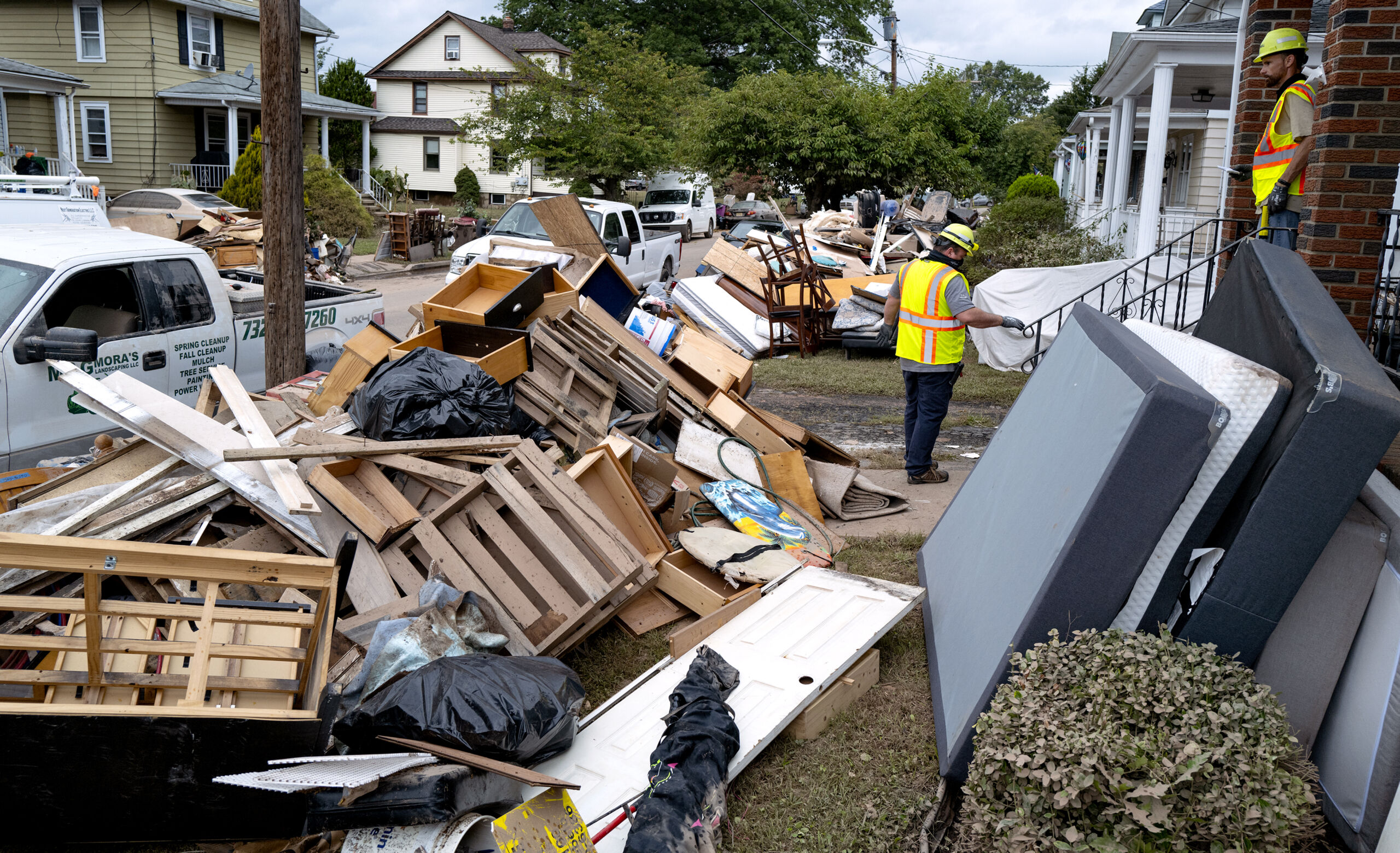
The research cited in the latest report shows that warmer winters, longer heat waves, heavier rains, flooding along inland streams and rivers and more tidal flooding along the coast are predicted to endanger public health and destroy property, as well as undermine critical infrastructure and harm the economy.
“These crucial findings underscore our greatest concerns regarding the worsening climate crisis,’’ said Gov. Phil Murphy in a news release. “While we develop a fuller understanding of these significant repercussions, we must ensure that all New Jerseyans are aware of these potential impacts and resources necessary to face them.”
Some of those impacts have occurred already. In New Jersey, heat-related hospital admissions between May and September increased by 156% in a 10-year period, beginning in 2004, according to the report. Climate change could increase summer-related deaths, perhaps doubling from the mid-twentieth century to the middle of the 21st century, the report said.
Chronic conditions
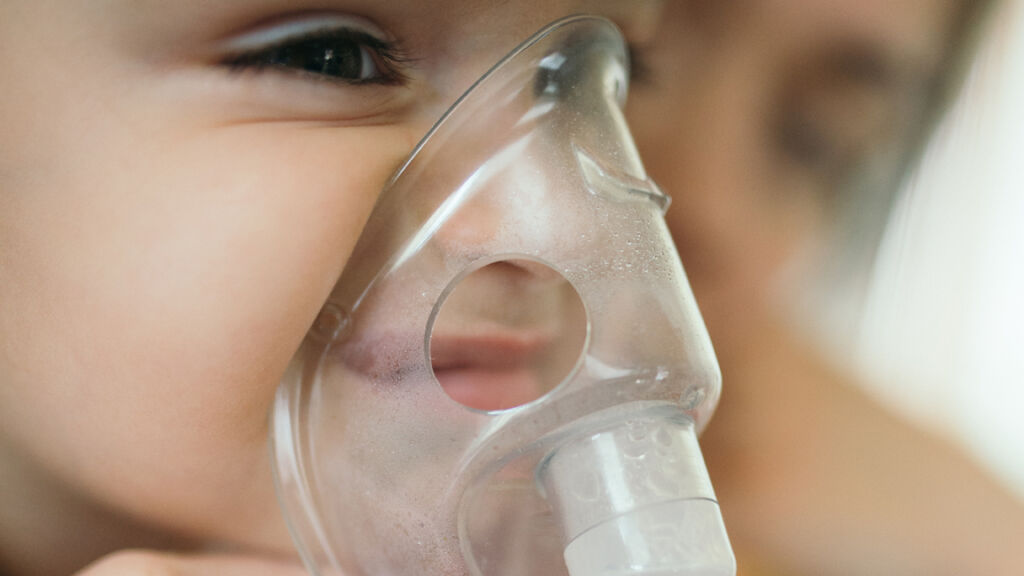
Increased air pollution can cause an increase in chronic conditions, such as asthma. There are more than 600,000 adults and 167,000 children with asthma in New Jersey, with almost 40% of the annual 50,000 emergency room visits related to asthma symptoms, for children.
Climate change is anticipated to worsen air quality from both natural and human-made sources, according to the report. This is likely to lead to more respiratory illnesses in vulnerable populations, including people of color, people experiencing poverty, the elderly and children.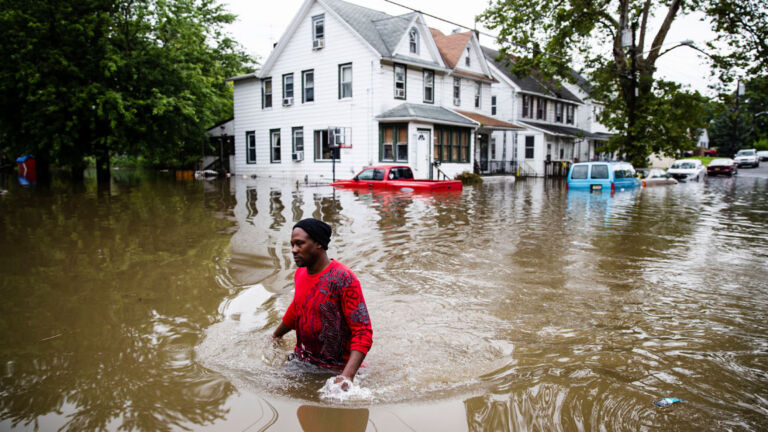
“Air-borne allergens, such as pollen and mold, are likely to cause greater allergy and asthma symptoms, and infectious diseases spread by ticks and mosquitoes, as well as microorganism contamination of food and water supplies are expected to occur more frequently,’’ state Department of Health Commissioner Judith Persichilli said in a statement.
The report also concluded there will be population displacement resulting from sea-level rise, increased flooding and the cumulative effects of climate change on mental health as people deal with its environmental and personal consequences.
Finally, climate change will act as a greater threat to environmental justice communities, exacerbating existing stressors, such as air pollution, while adding new threats, such as infectious diseases.
Who’s most at risk?
Human health effects would be felt most strongly by high-risk or vulnerable communities in areas where the impacts of extreme conditions, like the heat island problem, occur most often and that have insufficient access to risk-reduction strategies, such as funding and resilient infrastructure.
“Climbing temperatures, more frequent intense rainfall, and rising sea levels are all well-known consequences of climate change that are impacting New Jersey today and will worsen in the years ahead,’’ said DEP Commissioner Shawn LaTourette.
The supplement to the 2020 study is expected to better inform the public on the health impacts of climate change and to steer the state’s planning and preparation for a worsening climate crisis. It also is expected to inform the development of the state’s climate change resilience strategy.
The report was released at the start of Climate Week and coincided with a separate event by New Jersey’s most prominent environmental groups calling on the Biden administration to enact stronger pollution standards to protect public health and to reduce emissions that contribute to climate change.