
 Credit: (NJ Spotlight News)
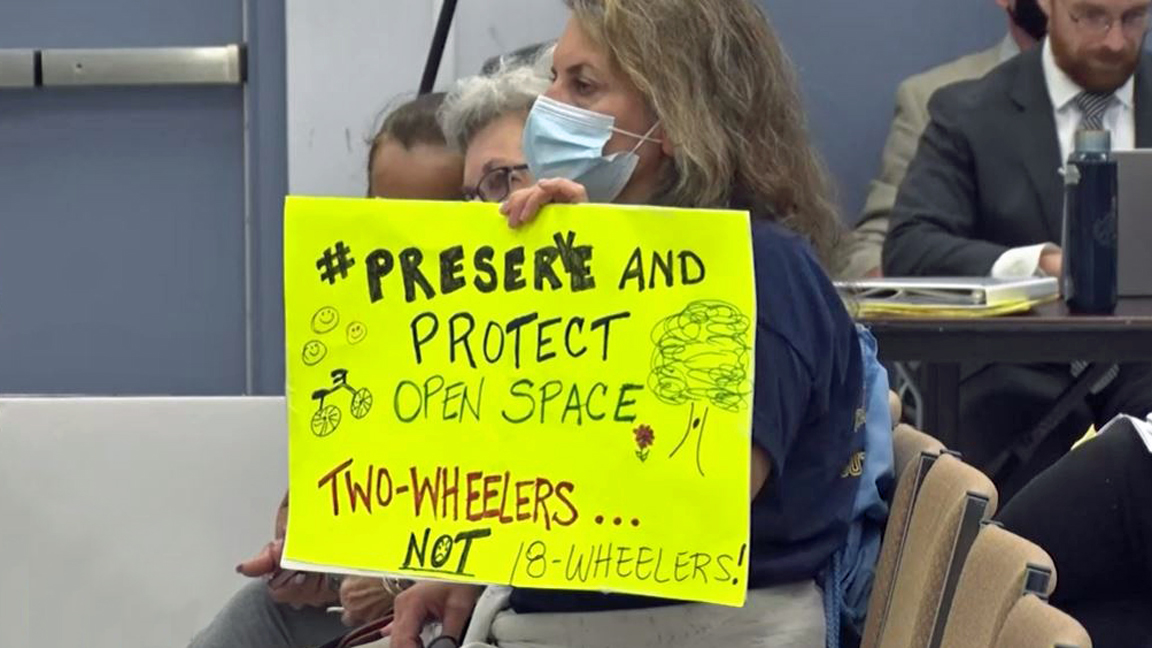
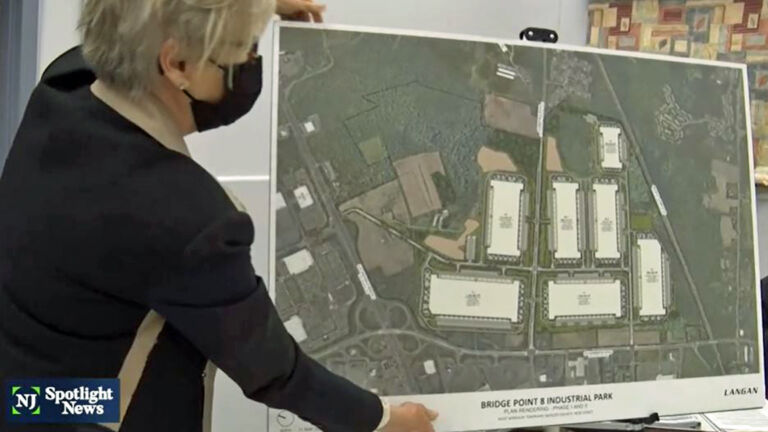
Opponents of a plan to build seven warehouses totaling 5.5 million square feet urged Gov. Phil Murphy on Monday to spend some $50 million of American Rescue Plan money to buy the parcel where they would be built, and convert it to open space.
The project, believed to be the biggest in the state, was approved by the West Windsor Township Planning Board on June 29, but has been fiercely fought by residents who say it will choke local roads with new truck traffic, worsen air quality, industrialize a suburban environment and erode quality of life.
West Windsor Mayor Hemant Marathe, a staunch supporter, argues that the warehouses would boost township tax revenues by about $15 million a year, and would not add to municipal costs such as building roads and sewers if the land were used for housing instead.
This call to Murphy is the latest by opponents in a campaign to block the project before it is considered for final approval by county planners and two state agencies. The Bridge Point 8 project, by Bridge Development Partners, has become a focus of the growing resistance to warehouse development because of its large size.
“For roughly $50 million, I ask that you help us to purchase and protect this historically troubled parcel to save the land from destruction, the community from overwhelming truck traffic and diesel health issues, and our local businesses from last-mile distribution takeovers,” said Stacey Fox, director of the Mercer County Defense League, an advocacy group, at an online hearing for groups invited by the Murphy administration who want a slice of the federal money.
‘We can’t box out our state, and still expect local retailers and communities to thrive, and hang on to our identity as the Garden State.’ — Stacey Fox, Mercer County Defense League
Monday’s session was the third hosted by the administration as it considers how it will allocate roughly $1 billion remaining of the $6 billion sent to New Jersey as part of the federal government’s massive COVID-19 relief effort. Invited advocates are pressing for a share of that money, which the state has until 2024 to say how it will be spent.
‘The Warehouse State’?
Fox argued that the current warehouse construction boom was fueled by the COVID-19 pandemic, which dramatically accelerated a shift to online shopping, boosting demand for deliveries of an avalanche of consumer goods and for buildings to store them before delivery.
The West Windsor parcel qualifies for purchase with American Rescue Plan funds because those funds were designed to provide relief from the effects of the pandemic — which fueled the warehouse boom, Fox argued.
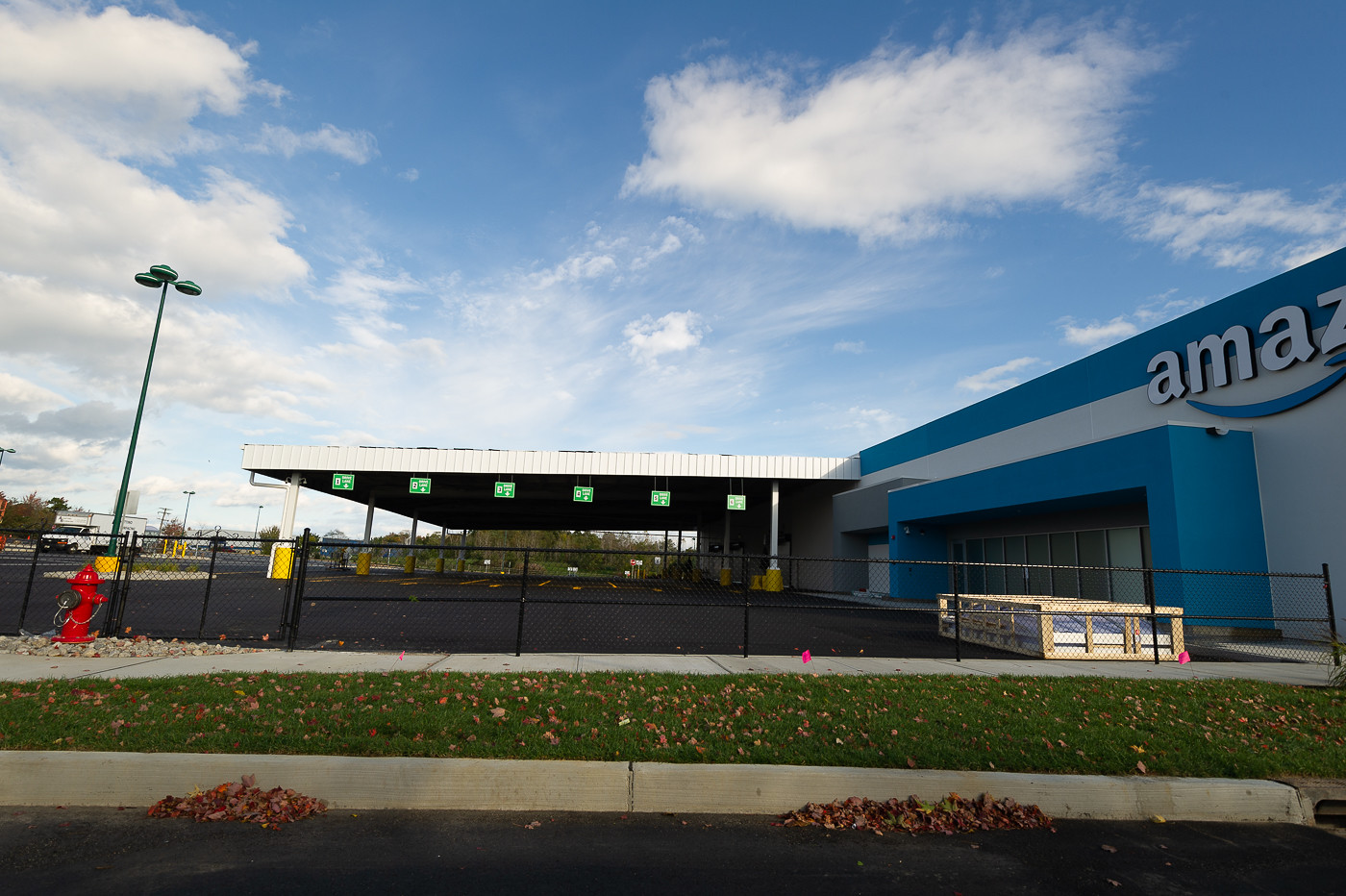
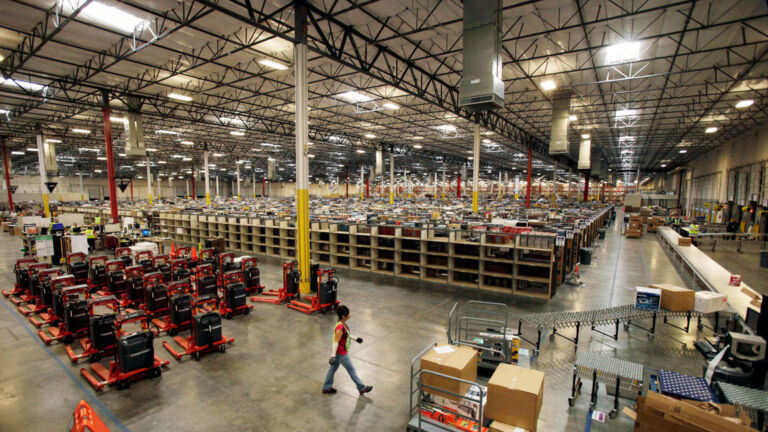
Surging demand for warehouse space has led to the construction of millions of square feet of the giant buildings, driving rents up and vacancies down, and galvanizing opposition from many community groups who argue that New Jersey is rapidly morphing from the Garden State to the “Warehouse State.”
 Credit: (NJ Spotlight News)
“We can’t box out our state, and still expect local retailers and communities to thrive, and hang on to our identity as the Garden State,” Fox said in a two-minute speech. “It’s the biggest, most historic lifestyle shift, entirely sparked by COVID.”
The 653-acre West Windsor site is especially unsuitable for warehouses because it is prone to the floods that are becoming more common with climate change, Fox said. She said that 160 of its acres are already prone to flooding and that the addition of a large impervious area would worsen the flooding by creating more runoff.
Many towns are effectively powerless to stop warehouse projects if they conform to zoning rules; the towns risk lawsuits from developers if they deny an application.
Campaigners previously hoped to avert the plan by using a rarely issued emergency flood rule that the state Department of Environmental Protection had been expected to issue in mid-June but which was abruptly withdrawn following protests by the business community.
The rule’s disappearance fueled protests by environmentalists who have accused Murphy of failing to follow through on his promises of bold action to make New Jersey more resilient to the effects of climate change.
Fox argued that converting the West Windsor warehouse site to open space would help to restore the administration’s record of dealing effectively with climate change.
“If we can preserve this land, the legacy of this administration will be that of respecting the climate emergency and promoting the success of New Jersey business and the welfare of its citizens,” she said.
A regional policy
Opponents of runaway warehouse development say the problem could at least be eased if projects were subjected to a regional policy that diluted the power that municipalities currently have over land use.
A set of guidelines issued by the executive branch of the State Planning Commission in June urged towns to consider negative effects of warehouses, such as traffic congestion, as well as positive effects like job creation. It proposed that local officials conduct a cost-benefit analysis before deciding whether to permit an application.
Many towns are effectively powerless to stop warehouse projects if they conform to zoning rules; the towns risk lawsuits from developers if they deny an application.
Critics of the guidelines say they will have little effect because they are voluntary, so they can be ignored by townships that are dazzled by the prospect of extra tax revenue. The commission notes that it does not have the authority to regulate land-use decisions.
On Monday, the developer’s application to Mercer County planners remained “incomplete,” said Julie Willmot, a spokeswoman for the county. The project must also be approved by the DEP and the New Jersey Department of Transportation.
