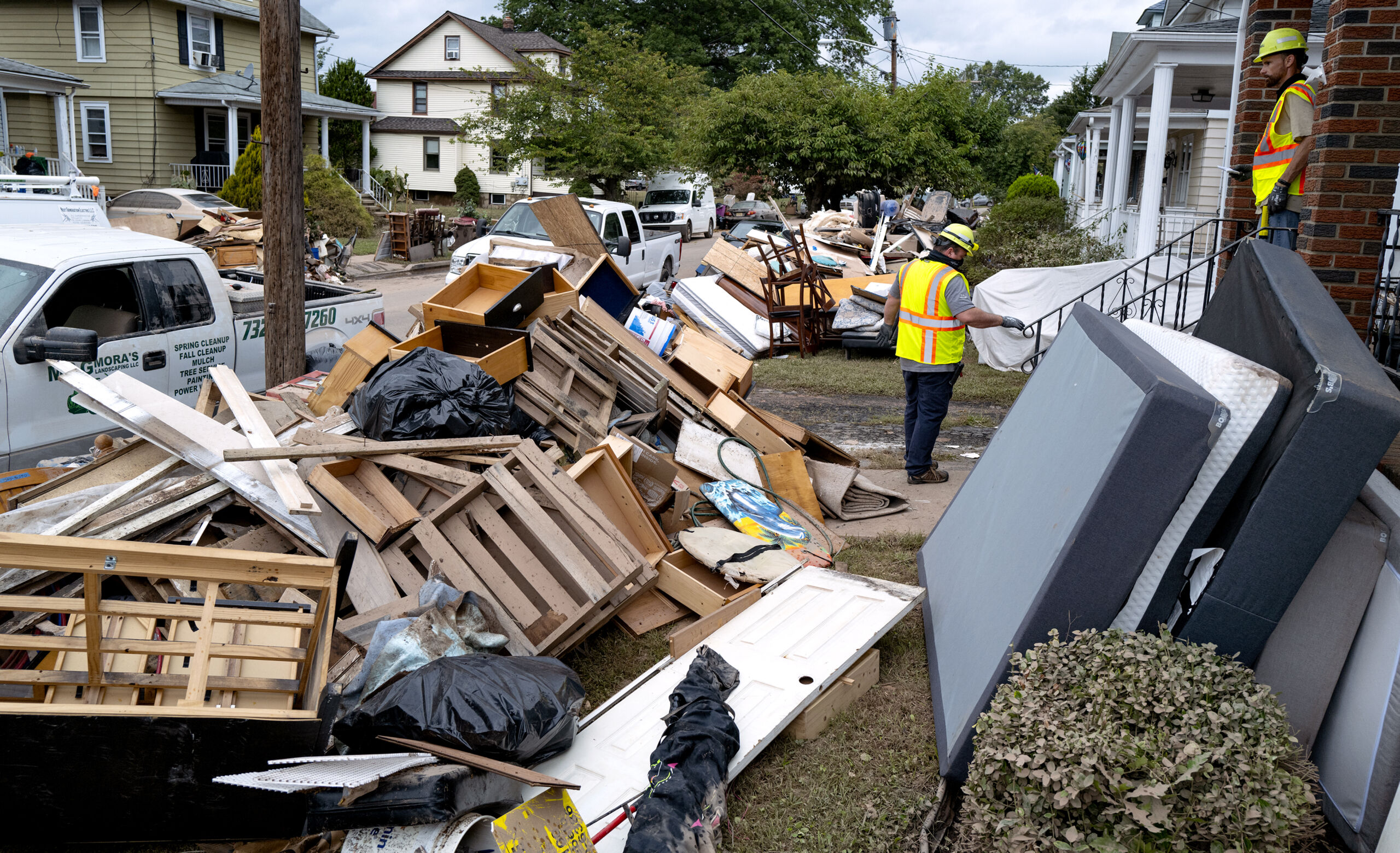
Credit: (Edwin J. Torres/NJ Governor’s Office; CC BY-NC 2.0)
Clean up, polluters, or else.
This was the message from acting state Attorney General Matt Platkin and state Commissioner of Environmental Protection Shawn LaTourette this week as they announced environmental justice lawsuits.
The push is aimed especially in the state’s most vulnerable communities, with six of the lawsuits focused on sites in Newark, Linden, Ewing, Rahway, Elmwood Park Borough and Middlesex Borough. These areas are now considered “overburdened communities,” which the state defines as at least 35% low-income, at least 40% people of color or at least 40% residents with limited English proficiency.
The seventh lawsuit is against a Hammonton blueberry farm with allegedly unsafe drinking-water wells where its migrant employees live and work.
The seven sites are:
- Avenue P, Newark
- B&S Oil Corporation, Rahway
- Tremley Point Road, Linden
- S. Burger Wire, Middlesex Borough
- Sigma Realty, Ewing
- Hans Family Cleaners, Elmwood Park Borough
- Blueberry Bill Farms, Hammonton
The flurry of lawsuits is all part of the state Department of Environmental Protection’s ongoing push to promote and enforce racial justice in the environment, as Black and Latino residents of New Jersey are more likely to live near a polluted site, experience the brunt of climate change and lack access to clean drinking water.
“In New Jersey, we are confronting the historic injustices that have burdened low-income and minority communities with a disproportionate amount of pollution,” LaTourette said in a statement.
“Our commitment to furthering the promise of environmental justice sometimes demands that we take legal action to correct the legacy of pollution that underserved communities have endured. Lawsuits like those we are announcing today are an important message to polluters: treat every New Jersey community as though it were your own by leaving your neighbors and their environment better than you found them.”
Hazardous materials
And the lawsuits are doing just that: The state agencies are demanding that the defendants either clean up these sites, reimburse the state for its time spent investigating the sites, or in the blueberry farm’s case, shut down its drinking-water wells.
Some of the sites are said to be contaminated with hazardous substances like arsenic and mercury.
The state agencies said in the announcement that these pollutants have been found to damage surrounding soil, groundwater or air. They also noted that the pollutants found at these sites can lead to “certain cancers, reduced heart and lung function, central nervous system disorders, kidney problems, neurological disorders, and reproductive issues including miscarriages and birth defects.”
Environmental justice advocates say that the state is taking a good step forward, but that they want to make sure that all polluters are held accountable. Marcus Sibley, chair of the environmental and climate justice committee for the state NAACP, said those who are fined may only see that money as a “drop in a bucket,” and so there’s “no incentive to stop.”
“We need to make sure that this litigation is going to deter behavior, but also this litigation needs to be a signal to other polluters, and the only way it’s going to be a signal is that these fines, these sanctions, these demands that are put in place are substantial,” said Sibley, who is also the chair of NJPEEC, a statewide coalition of environmental justice organizations.
Sibley said he’s appreciative that the state is taking action.
“There’s too much at stake,” he said. ”Other people’s lives are being impacted doing due to a company’s negligence.”
Read more information about the lawsuits here.