
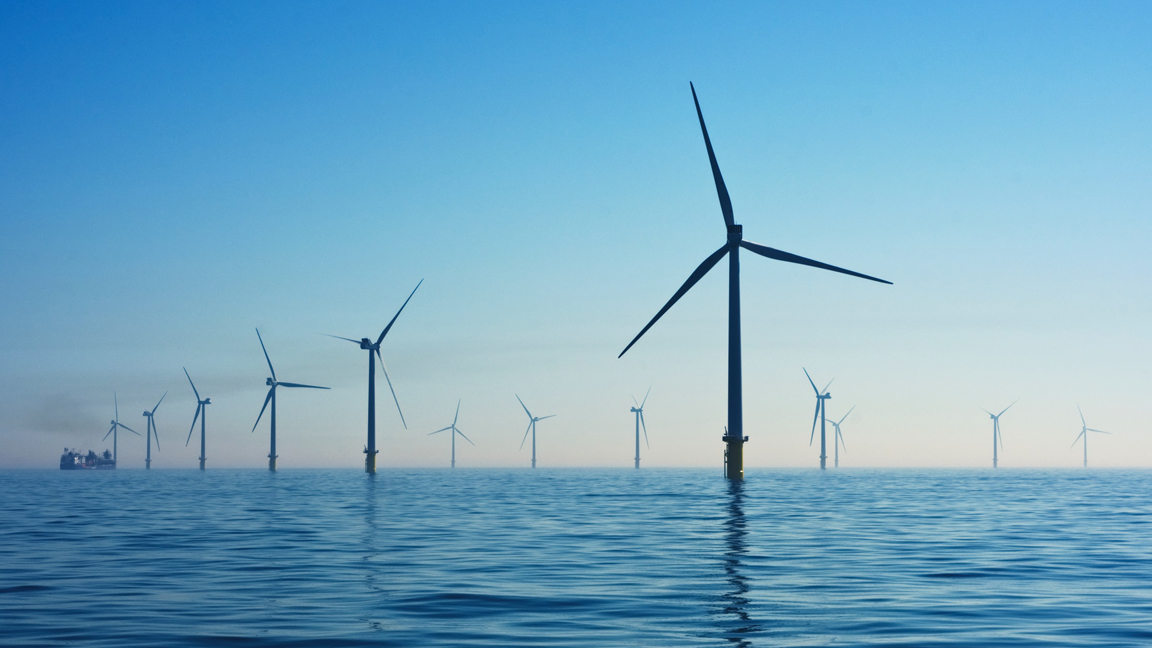
 Credit: (Nicholas Doherty from Unsplash)
New Jersey stands to gain an average of $1.3 billion in economic activity and 11,000 new jobs annually if the state accelerates efforts to transition to clean energy by 2050, according to two studies by the Applied Economics Clinic.
Between 2025 and mid-century the growth in clean-energy jobs will be more than the job losses in gas-fired power plants and oil-heating businesses, the studies said.
The studies generally portray powerful economic benefits if the Murphy administration pursues its goal to switch to 100% clean energy by 2050, a policy questioned by some segments of the business community that claim it will spike already high energy bills in New Jersey.
Shifting to clean energy is a policy designed to reduce greenhouse-gas emissions and other harmful pollutants that contribute to global warming. The hope is that a shift from fossil fuels will prevents or mitigate the impact of future extreme-weather events similar to those that have already caused widespread power outages and deadly floods. Those events have caused billions of dollars in damage to New Jersey homes and businesses in the past.
“Switching from dirty fossil fuels to renewables, batteries and electrification will create new, good-paying jobs in New Jersey, including entry-level jobs for new workers in the field,’’ said study co-author Elizabeth Stanton, AEC director and senior economist.
Green-energy advocates say the transition to clean energy offers a huge opportunity to add jobs in poor and minority communities heavily burdened by pollution and that have so far missed out on benefits of the green economy.
Reducing bias in employment patterns
“Making these jobs available to the state’s diverse workforce will require public policy to reduce employment barriers, including bias against women and people of color, lack of child care or transportation and hiring practices that benefit friends and relatives of people already working in the field,’’ Stanton said.
Far more white men are employed in New Jersey’s clean-energy sector than any other race, with Black, Indigenous and people of color (BIPOC) passed over for employment, according to Marcus Sibley, environmental and climate justice chairman with the state NAACP.
One of AEC’s studies showed white people account for 55% of New Jersey’s population but 62% of the clean-energy workforce. Black people are 15% of the state’s population but only 9% of the workforce; Hispanics 21% of population, 16% of the workforce. Women are 50% of the population but just 25% of the clean-energy workforce.
“We must prioritize equitable outcomes from start-to-finish by intentionally considering how women, veterans and BIPOC are offered a seat at the table,’’ Sibley said. He suggested up to 40% of clean-energy sector jobs be targeted to those segments of the population.
“With strong labor standards, union support and adequate training, clean-energy jobs will offer competitive wages and fewer occupational hazards,’’ said Debra Coyle, executive director of the New Jersey Work Environmental Council. She also emphasized providing adequate resources for workers caught in the transition to retrain and utilize their skills in the new space.
The size of New Jersey’s clean-energy workforce in 2020 was estimated at 50,000 by Environmental Entrepreneurs (E2). New Jersey ranked ninth nationwide in highest median hourly wage in 2019 for the sector at $24 per hour — 11% higher than the median wage statewide for all sectors, according to E2.
