
 Credit: (AP Photo/Seth Wenig, File)
Halfway through the first year of federal oversight of New Jersey’s only women’s prison, the state is making progress toward preventing sexual abuse and improving overall conditions, according to the court-appointed monitor overseeing reforms. But the biggest challenge will be ensuring the positive changes are permanent, the monitor said.
That might not be a problem if the messages sent by members of the new team assembled at the state Department of Corrections by acting Commissioner Victoria Kuhn, one of whom is a former Hunterdon County prosecutor who investigated sex abuse cases at the Edna Mahan Correctional Facility for Women, translate into action and become woven into the culture at the facility.
“Incarcerated people are members of our community who are temporarily displaced and are worthy,” said Helena Tomei, assistant commissioner of women’s services, last Friday during a public meeting on the progress of reforms at Mahan. Many inmates have experienced abuse, victimization and other trauma, but the state is “making strides to promoting a trauma- and gender-informed, responsible approach for the incarcerated people in our care,” Tomei said.
Kuhn, a longtime corrections department administrator, stressed that many members of her team are new hires and said she is committed to making real change.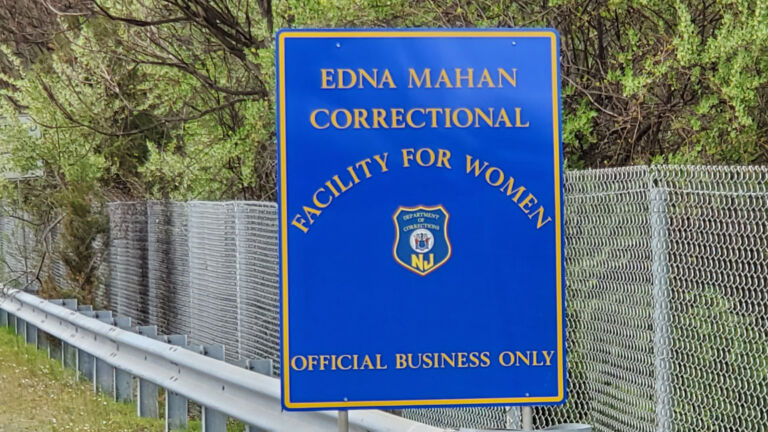
“Over the years, I, too, have complained about conditions but I did not have the authority at that time to make changes,” Kuhn said. “But now I do and this team does and we are making those changes. It is time for new beginnings. Together, we’re making mission-critical changes.”
First public meeting details reforms
After years of sexual assaults in the prison, New Jersey and the U.S. Department of Justice agreed to a series of changes to be monitored by the federal courts. That monitor, Jane Parnell, oversaw the first mandated semi-annual public meeting about that supervision. Friday’s event was a virtual session that drew about 150 viewers. Parnell did not provide specifics. She is required to submit a written report every six months, and her report is to be made public after it is submitted to the court. At the hearing, she allowed corrections officials to detail changes that include new training procedures, security cameras and other programs put in place over the last year, as well as an update on the planned closure of Mahan. Parnell did say she has seen “a lot of progress” since her first visit to Mahan in October.
‘It will take time to make the lasting cultural changes that need to be made.’
“Please know that there’s still some roads to take,” said Parnell, who made her second visit last week. “It will take time to turn and make the kind of cultural changes, the lasting cultural changes that need to be made. I will be honest with you when I say that the incarcerated persons acknowledge that there were changes, they were happy to see those changes. Their biggest fear to us was, ‘Will those changes last?’”
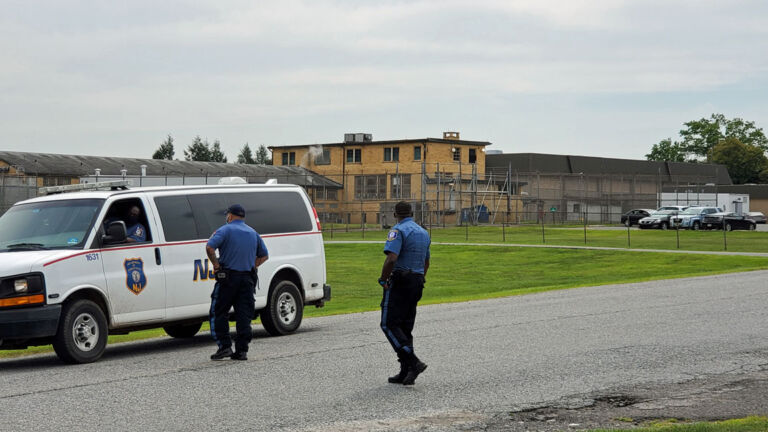
Major change was needed and a long time coming. For decades, Mahan, a 108-year-old prison complex in Hunterdon County, has been the site of numerous sexual assaults. In April 2020, the justice department found that the facility was violating the constitutional rights of inmates by failing to protect the women there from sexual abuse by staff. And so far, 15 Mahan officers and the facility’s former associate administrator have been charged after violent cell extractions seriously injured several inmates in January 2021.
The last year has been a turbulent one for the corrections department, in large part due to Mahan. Marcus Hicks was forced to resign as commissioner after a damning report on the assaults. Dan DiBenedetti retired in April as corrections ombudsman a day after he was criticized for lax oversight during a joint Assembly committee hearing. Gov. Phil Murphy announced his intention to close Mahan and nominated Kuhn as commissioner but has yet to select a new ombudsman 11 months later. The state also finally reached a settlement with the Department of Justice to bring in the federal monitor and make other changes at Mahan 16 months after the DOJ filed its complaint.
Kuhn said the state has fulfilled some of the conditions in that settlement, including giving body cameras to all custodial staff members who interact with inmates and installing 355 stationary cameras so all locations are monitored in an effort to prevent corrections officers from attempting to sexually assault the inmates. The upgrade of the security cameras had been promised for years but not completed until December.
Recommendations for new prison location
Kuhn said the contractor the state hired to provide advice on replacing Mahan has finished his evaluation of possible locations for a new prison, including current facilities that may have space due to COVID-19-related releases, and is considering several “centrally located” properties that would be easier for visitors to reach and “enable more staffing options.” The contractor has met with corrections department staff, including in Mahan, and now is holding “visioning sessions” with inmates, family members, advocates and others to figure out what a new facility should look like. Kuhn expects his recommendations by the end of the month and said some “short-term solutions” could be in place by the end of the year — with a new prison further down the road.

“We all want the facility to close,” she said. “It is time to start a new beginning for those housed at Edna. But we also want to do it right and that is going to take a bit of time.”
Erica Stem, the administrator at Mahan, said more than 400 staff members have received new training on working with female inmates and on how to respond to allegations of sexual abuse. Inmates are instructed within their first month there of their right to be free from verbal and sexual abuse. All are told the facility has a “zero tolerance policy” regarding sexual abuse and harassment.
List of reforms
Kuhn and other corrections staff and the administrator at Mahan listed a number of other changes that have either already been put in place or soon will be to improve life for the women at Mahan. Among these changes are:
- Video visits to make it easier for women to see and spend time with their loved ones;
- A “releasing trauma” initiative to help those who have experienced sexual abuse or assault, poverty or other traumas find healing and a Focus on the Victim group to give them the opportunity to take responsibility for and examine the impact of their crimes;
- Expanded educational and vocational training;
- A full-time Prison Rape Elimination Act monitor whose sole focus will be overseeing policies and trainings and conducting audits to prevent sexual assaults;
- Providing higher-quality feminine hygiene products and making them more easily accessible;
- Incentive programs to reward good behavior, including monthly ice cream socials, games with prizes and the ability to live in an “honors dorm”;
- An advisory board of inmates — who have no prison charges or infractions against them and were voted in by their peers — that suggests changes and has helped plan temporary housing while one unit building is under repair;
- New funding for reentry services specifically for women;
- A new model staffing plan;
- A new board of trustees with the ability to talk to inmates and staff and make recommendations to the corrections department that will hold its first meeting soon.
Kuhn said all these and future reforms are at least as important as a new building to improving the life and safety of incarcerated women, and it is important that all stakeholders be part of this work.
“Facility relocation is fantastic, but there are so many other components that go into changing the culture, making the experience better for both those that are incarcerated currently at Edna and the staff,” Kuhn said. “Building community and engaging community are an essential component to lifting the veil of secrecy that has hung over this department and Edna for far too long.”
