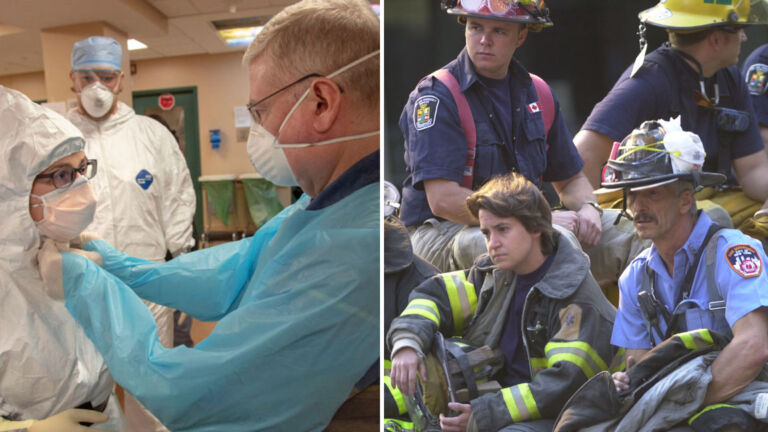
Credit: (Thomas Costello, Gannett)
The lessons from New Jersey’s last two years in the COVID-19 pandemic are many, from the economic impact and learning loss to the isolation and emotional disruption to, of course, the devastation in public health.
What the state does next with those lessons was the focus of a conference on Friday hosted by the New Jersey YMCA State Alliance and attended by health care, education, nonprofit and other professionals.
One point of agreement was clear among attendees about whatever next steps are taken — the need to address the gaping inequities that were only exacerbated by the pandemic.
Advocates cited how Black and Hispanic communities saw more than double the rates of hospitalizations and deaths than white communities, in part due to their higher rate of participation in essential jobs that left them exposed while others sheltered at home.
Location of testing sites
Other examples were more subtle. For one, there were fewer COVID-19 testing sites in communities of color, and the emphasis on drive-through sites marginalized people without access to a car, advocates said
“Across the board, Black and Hispanic individuals are more significantly affected and feel the burden of this pandemic,” said Patricia Whitley-Williams, associate dean for inclusion and diversity at Rutgers Robert Wood Johnson Medical School.
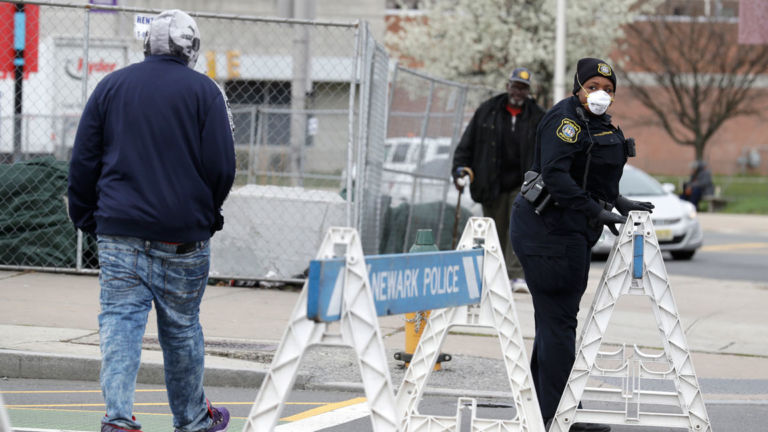
Showcased in an NJ Spotlight News special project, the collection was in partnership with the state Department of Health and is being archived at the New Jersey State Library as a digital time capsule of the challenges people faced during the pandemic.
Among the stories shared were challenges with homelessness, difficulty in accessing food, loss of loved ones to COVID-19 and mental health challenges related to isolation.
Social factors
Judy Persichilli, commissioner of the state Department of Health, said in virtual remarks to conference attendees that the pandemic highlighted how social factors such as income, housing status and work conditions impact physical health.
“I think we all recognize we need to do a better job at addressing these issues,” Persichilli said. “Working together, we can learn from this ongoing pandemic; we can invest more in our communities; we can strengthen efforts to build connections to better health and recovery.”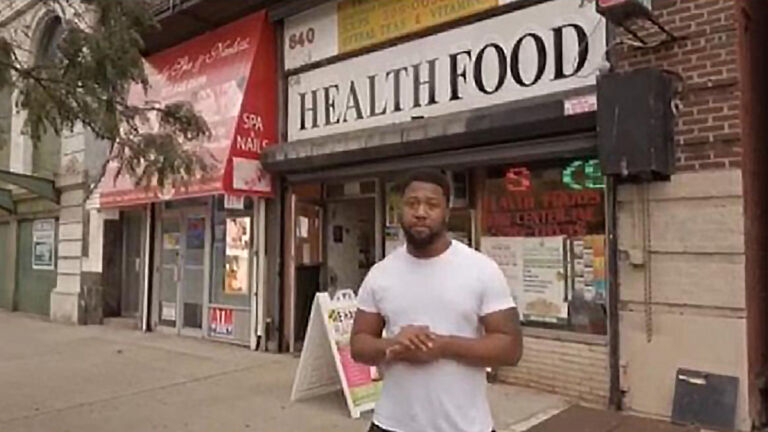
U.S. Rep. Andy Kim (D-3rd) also spoke to the conference and highlighted the work legislators and community advocates did together to help people access food, health insurance and child care support during the pandemic. He said such efforts must continue as New Jersey residents continue to face challenges amid the ongoing crisis and sluggish economic recovery.
“We know these issues are going to continue,” Kim said. “Hunger was a problem before the pandemic, and it’s going to be a huge problem in the years to come.”
Gaps in mental health services
The conference also focused on gaps in mental health services for communities of color, including language barriers for Spanish speakers. Essential workers in the state, many of whom are women of color, have been under stress during the pandemic and are exhibiting signs of depression, anxiety and trauma, said Tammarra Jones, interim school psychologist at Rahway Public Schools.
“We are entering into a national mental health crisis, not only among people of color, but as a whole,” Jones said. “People who have generally considered themselves very healthy are experiencing significantly negative impacts.”
In the coming months, the YMCA State Alliance plans to make policy recommendations addressing the challenges highlighted at the conference and in the storytelling project. Those recommendations will inform Healthy New Jersey 2030, a plan developed by the state every 10 years as part of a federal program run by the Department of Health and Human Services. The idea is to bring together key stakeholders involved in public health — including hospitals, community organizations and health policy groups — to establish a framework that promotes the health of New Jersey residents.
“We’re really looking ahead to real policy changes and how to make our state health improvement program that much more robust,” said Marissa Davis, director of health equity and state initiatives at the alliance and chair of the Healthy New Jersey 2030 Advisory Council.